English











































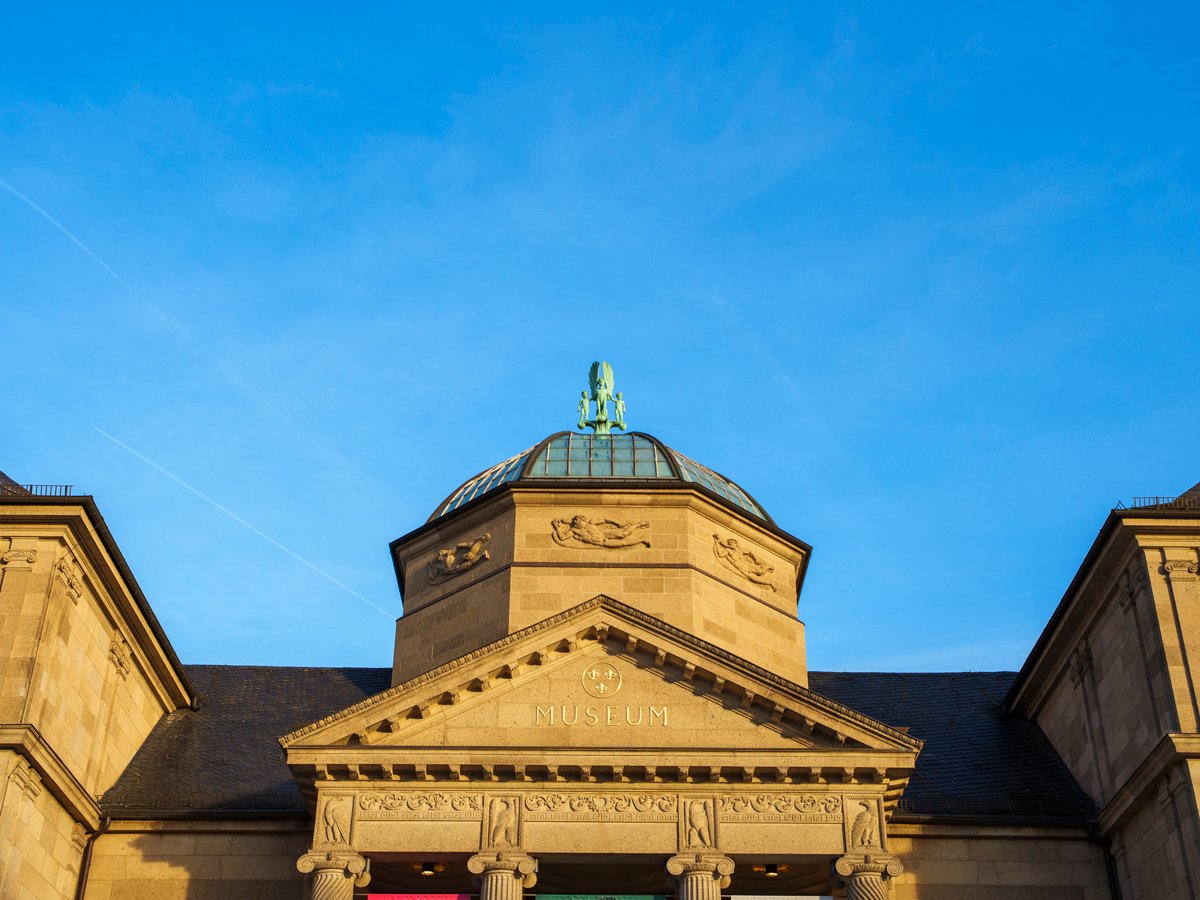
A German art museum has transformed its permanent galleries into a working gym, placing treadmills, weight machines, ellipticals, and exercise mats alongside paintings and sculptures spanning centuries of art history. The Kunstpalast in Düsseldorf launched the initiative earlier this month, and it runs through February 21, 2027.
Art Meets Exercise in Düsseldorf
The program, titled “Gym. Fit with Art,” spans 20 exercise stations set within the museum’s permanent collection of over 800 works. Visitors can work out beside pieces ranging from Peter Paul Rubens to Gerhard Richter. The initiative also serves as a tribute marking the centenary of the GeSoLei, the largest trade fair of the Weimar Republic era, which focused on health and wellness.
Stay connected to every major update — subscribe and follow us on the PhoenixQ website and across our social media platforms.
Alina Fuchte, who leads the project, explained the thinking behind it. “We want to target people who might prefer going to the gym rather than a museum on weekends,” she said, adding that younger audiences are a key focus. The museum describes the concept on its website as transforming its collection into “an extraordinary fitness circuit.” TARGOBANK and fitness equipment manufacturer Technogym jointly sponsor the program.
Mixed Reactions from Visitors
Visitor responses have been varied. Kai Heimes, 25, told the Times of London that he found it “cool to work out in the collection.” While he acknowledged it might feel “awkward” for some, he added, “I don’t think it’s a big deal.”
However, not everyone shared his enthusiasm. Moritz Rossmanith, 40, visiting from Rome, admitted to being “a bit confused by it all.” He described it as “very strange to see kids holding thick barbells while there’s old Italian art on the wall.” Children, meanwhile, appear to be among the most enthusiastic users of the gym equipment.
A New Kind of Museum Experience
The museum welcomes visitors who simply want to view the art without exercising. In practice, though, standing quietly in front of a historic bust while someone jogs on a nearby treadmill presents an unusual challenge to traditional gallery contemplation.
Unlike most museums, where staff strictly discourage visitors from drinking water inside galleries, that rule does not apply here. Water bottles are permitted throughout the gym-gallery space.
For Fuchte, the broader goal goes beyond fitness. “Coming here and realizing this is also a space for me, I can feel comfortable here, I can be free here, I can try new things—that, for me, is the first step,” she said. The museum also offers a schedule of organized fitness classes as part of the program.