English














































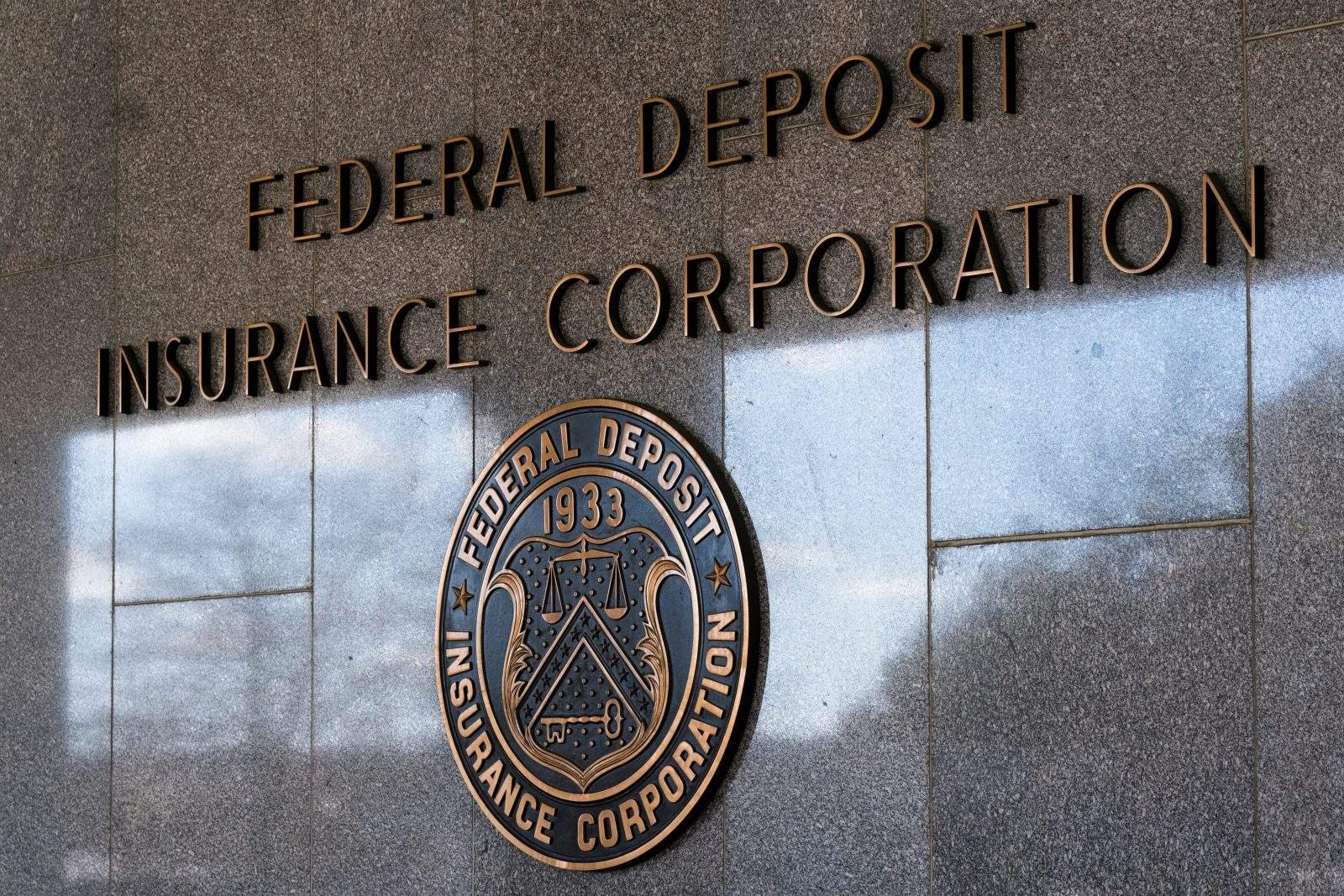
Federal regulators have shut down United Fidelity Bank, marking the largest U.S. bank failure in more than two years. The Federal Deposit Insurance Corp. seized the Evansville, Indiana-based institution after concluding it faced serious risk of being unable to meet depositor demands.
First Citizens Bank Steps In
The FDIC announced that First Citizens Bank will take over all of United Fidelity’s deposits and assets. The failed bank operated 22 branches across Indiana, Illinois, Florida, Colorado, and the U.S. Virgin Islands. All those branches will reopen under the First Citizens name by Monday, and customer accounts will transfer automatically.
Stay connected to every major update — subscribe and follow us on the PhoenixQ website and across our social media platforms.
Frank B. Holding, Jr., chairman and CEO of Raleigh, North Carolina-based First Citizens Bank, welcomed the deal. “We believe this transaction is both financially and strategically compelling, and we look forward to welcoming our new customers, earning their trust and positioning our company for continued success,” he said in a statement Friday.
Scale of the Collapse
At the end of September, United Fidelity held approximately $5.9 billion in total assets and $5.4 billion in total deposits. The FDIC confirmed that all deposits remain safe and insured up to $250,000 per account.
The Office of the Comptroller of the Currency, the U.S. Treasury division responsible for bank regulation, stated Friday that United Fidelity had been operating in an “unsafe or unsound condition to transact business.” That determination triggered the federal seizure.
Largest Failure Since 2024
In terms of assets, this collapse is the largest U.S. bank failure since 2024, when Philadelphia-based Republic First Bank failed with roughly $6 billion in assets. United Fidelity’s closure therefore stands as a significant event in recent U.S. banking history.
The FDIC estimated the failure will cost its Deposit Insurance Fund approximately $1.83 billion. That fund, financed by banks across the country, exists specifically to protect insured deposits when institutions collapse. Despite the substantial cost, regulators moved quickly to ensure customers experienced minimal disruption through the First Citizens takeover.