English















































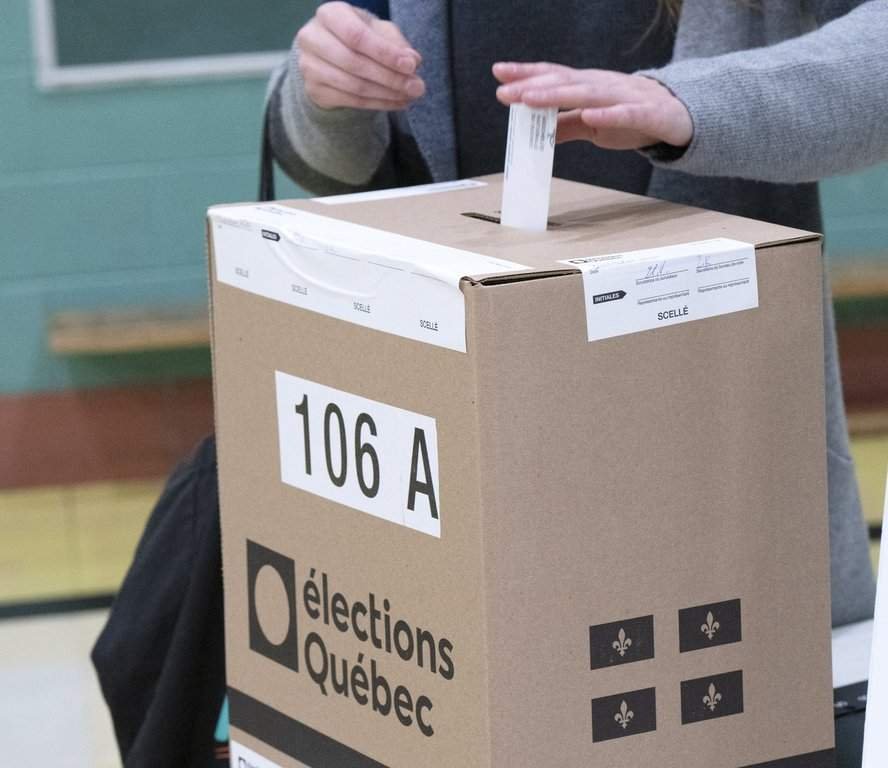
Quebec’s provincial election campaign shifted firmly toward economic concerns on its fourth day, with party leaders across the political spectrum unveiling competing plans to address affordability, housing costs and the province’s growing fiscal challenges.
Fiscal Pressures Shape the Campaign Debate
Quebec’s auditor general has already set a sobering backdrop for the campaign. A pre-election report published earlier this month warned that the next government must eliminate the province’s multi-billion dollar deficit by 2029-2030 under the balanced-budget law, leaving little room for costly platform promises.
Stay connected to every major update — subscribe and follow us on the PhoenixQ website and across our social media platforms.
The Coalition Avenir Québec released its full fiscal blueprint on Sunday and challenged rival parties to do the same. Party leader Christine Fréchette and Finance Minister Eric Girard said a third CAQ government would commit an additional $9.7 billion over five years to fund its promises, many of which have not yet been announced. The party estimates Quebec would need to generate $6 billion in revenue to achieve a balanced budget.
Fréchette said she would not cut taxes until the province balances its books. The CAQ’s plan also relies on anticipated federal transfers, though Ottawa has made no formal commitment to provide them. “We’re focused on balancing the budget, and we’re also facing an economic and financial climate that’s leading us into rougher waters than usual,” Fréchette told reporters.
Housing Affordability Drives Liberal and Solidaire Platforms
Housing costs dominated much of Sunday’s campaign activity. Liberal leader Charles Milliard announced a proposal to cap rents and service fees in privately managed seniors’ homes. “A senior citizen on public housing assistance should never have to leave their home because of an exorbitant rent increase,” he said.
Québec solidaire parliamentary leader Ruba Ghazal pledged to build 50,000 new social housing units and introduce a rent cap for all tenants, arguing that rents should not rise faster than inflation. Ghazal said average rents have skyrocketed since the CAQ first took power in 2018.
Both Milliard and Ghazal directed sharp criticism at Fréchette, who claimed on Saturday that the housing crisis had been “solved” in “many regions” of Quebec due to rising vacancy rates. “Just because homes are empty doesn’t mean people can afford them,” Ghazal said.
Conservatives Push Tax Cuts and Spending Reductions
Conservative leader Éric Duhaime took a different approach, centering his affordability message on tax relief. On Sunday, Duhaime announced that a Conservative government would abolish the sales tax on used goods.
The party has also promised what it describes as “a historic reduction in the tax burden on individuals” and a $47 billion reduction in government spending. Duhaime positioned these measures as the most direct way to ease financial pressure on Quebec households.
PQ Ties Immigration to French Language Decline
Parti Québécois leader Paul St-Pierre Plamondon continued to make immigration a central issue, framing it as a direct threat to the French language in Quebec. He told journalists the province faces a “linguistic emergency” and a “historic decline in the French language,” which he called essential to Quebecois identity.
St-Pierre Plamondon proposed expanding French-language laws to junior colleges and limiting access to English-language schools for both francophones and immigrants. He also called for requiring children of temporary migrants to attend French schools and tightening French-language requirements for work permits, with exceptions for the agricultural sector.
The PQ leader argued that current immigration levels exceed Quebec’s capacity to deliver adequate housing and public services. “The CAQ has undermined control over our immigration system,” he said. “We will significantly lower immigration quotas, which is also essential if we are to tackle the historic decline in the use of French in Quebec.”
His rivals renewed their criticism, accusing St-Pierre Plamondon of using immigrants as scapegoats rather than addressing the province’s structural challenges directly.