English










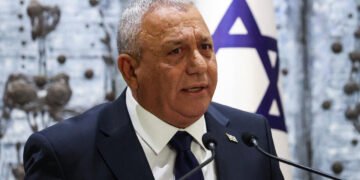




























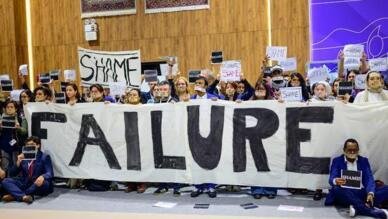
The collapse of COP31 climate talks in Antalya, Turkey has triggered immediate political fallout, with Pacific island nations expressing despair and Australian opposition politicians calling for the resignation of the minister who led the negotiations. For the first time since the 2009 Copenhagen summit, the annual UN climate conference ended without a final agreement.
Calls for Resignation After COP31 Collapse
Australian Energy Minister Chris Bowen served as COP31 president of negotiations. After the talks failed, opposition leader Angus Taylor wasted no time attacking him. “This energy minister’s got to go because he’s a complete and utter failure,” Taylor told reporters on Monday. “Chris Bowen was responsible for it. He should go.”
Stay connected to every major update — subscribe and follow us on the PhoenixQ website and across our social media platforms.
Inside parliament, opposition members also pressed Prime Minister Anthony Albanese to dismiss Bowen. Australia spent A$150 million ($99.23 million) on hosting the conference. Albanese did not directly address whether he would ask Bowen to step down. Instead, he reaffirmed his government’s position on climate science. “We believe that climate change is real. We believe in the science,” Albanese said.
Bowen, meanwhile, defended his handling of the summit. He described the geopolitical backdrop as “the most complicated and fraught geopolitical environment in living memory.” He pointed to soaring energy prices and fallout from the Middle East conflict as factors that complicated efforts to reach unity.
Fossil Fuels Divide Derails Final Agreement
The core breakdown came over fossil fuels. The EU refused to endorse any final deal that omitted references to coal, oil and gas as drivers of climate change. Saudi Arabia and other oil-producing nations pushed back strongly against such language.
Ireland’s climate minister, Darragh O’Brien, whose country holds the rotating EU presidency, made the bloc’s position clear. “We will not endorse a cover decision that does not even mention fossil fuels, which is the key driver of climate change,” he said. “And we will not accept a COP that greenwashes fossil fuel.”
UN Secretary-General António Guterres expressed deep frustration after the talks ended. “I share the very profound frustration of all those who expected governments to rise to the moment the climate crisis demands,” he said in a statement. Earlier during the summit, Guterres had urged nations to send fossil fuels “the way of the dinosaurs.”
Pacific Nations and Global Voices React
The failure hit hardest for Pacific island nations facing existential threats from rising sea levels. The Marshall Islands delegation said simply: “We have been let down on all sides.” Tuvalu’s climate minister, Maina Talia, expressed concern about the lack of commitment to keeping global temperatures within safe limits. “Listening to parties who diminish the credibility of signs of climate change is disappointing,” Talia said.
China also voiced disappointment. Foreign ministry spokesman Guo Jiakun told reporters that “confidence in the multilateral process should not be lost.” However, he stressed that the global shift toward low-carbon development remains “irreversible.”
The COP31 talks began on November 9 and ran into record overtime before collapsing on Sunday. More than 190 countries participated, and over 92,000 people registered, making it provisionally the largest UN climate conference on record. Notably, the United States sent no delegation. The failure marks a significant setback, coming shortly after the UN confirmed global temperatures are on track to exceed the critical 1.5°C threshold.