English










































In wartime Ukraine, the act of having a child has taken on a meaning far beyond the personal. With deaths outnumbering births by more than three to one, bringing a new life into the world has become a symbol of national pride and, for many Ukrainians, an act of survival itself.
NBC News correspondent Richard Engel reported on the growing trend from inside an underground bomb shelter that has been converted into a delivery room. The report, aired on October 2, 2026, highlighted how the war has reshaped the most fundamental aspects of daily life in Ukraine, including childbirth.
Stay connected to every major update — subscribe and follow us on the PhoenixQ website and across our social media platforms.
A Nation Facing a Deepening Demographic Crisis
Ukraine’s birth rate has fallen sharply since the Russian invasion began. The country now records more than three deaths for every single birth. That ratio points to a severe and worsening demographic crisis, one that threatens Ukraine’s long-term population stability.
The causes are not difficult to understand. Millions of Ukrainians have fled the country. Countless others have died in the fighting. Meanwhile, the uncertainty of war has led many couples to delay or abandon plans to start families.
However, some Ukrainians are pushing back against that trend. For them, choosing to have a child during wartime is a deliberate and deeply patriotic decision. It is a way of asserting that Ukrainian life will continue, regardless of the destruction around them.
Giving Birth Under Fire
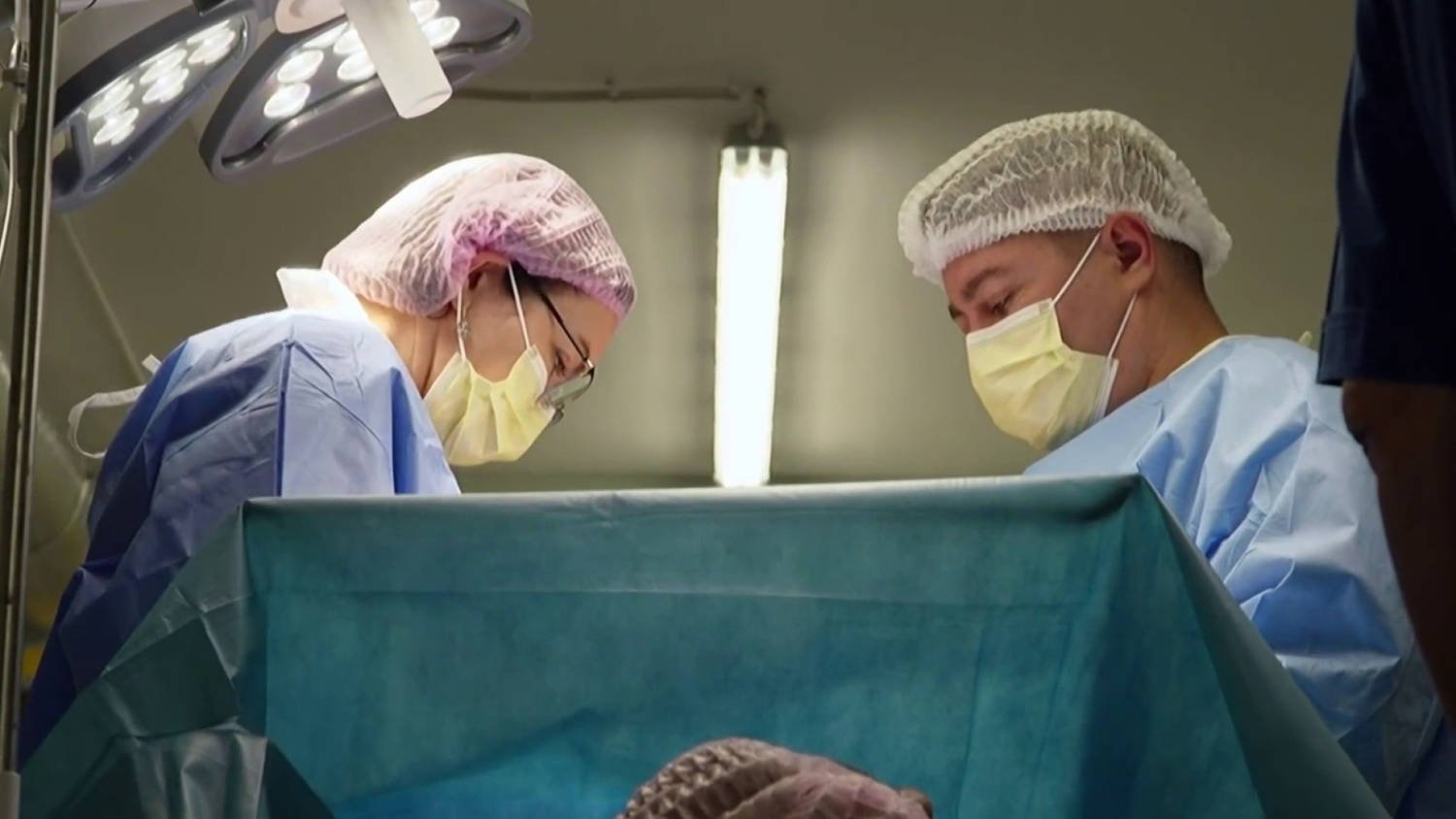
Engel’s reporting brought viewers inside one of the most striking symbols of Ukraine’s wartime resilience. A bomb shelter, originally built to protect civilians from Russian strikes, now serves as a delivery room for expectant mothers.
The images are stark. Women give birth underground, surrounded by concrete walls designed to withstand missile attacks. Medical staff work in cramped conditions to bring new lives into a country still under bombardment.
For the mothers involved, the decision to give birth in Ukraine rather than flee abroad carries enormous weight. Many describe it as a conscious choice to remain connected to their homeland and to contribute to its future.
Natalism as a Form of National Resistance
Across Ukraine, a quiet but growing cultural shift is taking place. Having children is increasingly framed not just as a personal milestone, but as a form of resistance. Some public figures and community leaders have encouraged Ukrainians to have larger families as a way to rebuild the nation’s population after the war ends.
This form of wartime natalism reflects a broader determination among Ukrainians to preserve their national identity. In a country where Russian forces have caused widespread death and displacement, the birth of a child carries symbolic power that extends well beyond the family.
The situation in Ukraine remains dire. Yet, as Engel’s reporting shows, life continues even in the most difficult circumstances. For many Ukrainians, each new birth is not just a personal joy. It is a quiet but powerful statement that Ukraine endures.