English
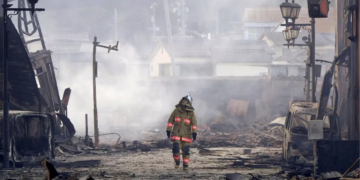


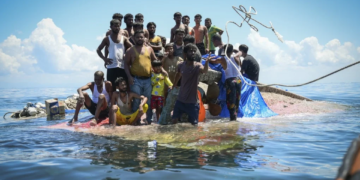

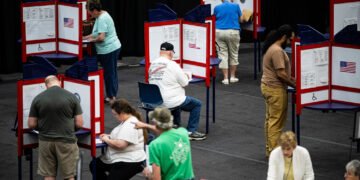

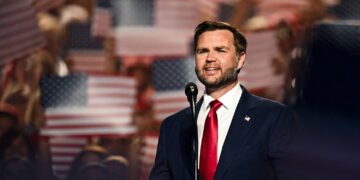


























Frustration over the ongoing Iran war is emerging as a significant political force ahead of the 2026 midterm elections, with voters in key Midwest states expressing deep unease about the conflict and its direction. Senior National Politics Reporter Jonathan Allen spoke directly with voters in Iowa and Ohio as part of his Drive to Decision Day series, uncovering widespread war fatigue that could reshape the electoral landscape this November.
Allen shared his findings on Meet the Press NOW on August 19, 2026. His conversations on the ground revealed a mood of exhaustion and anger among everyday Americans in two states that will play a critical role in determining control of Congress.
Stay connected to every major update — subscribe and follow us on the PhoenixQ website and across our social media platforms.
Voters in Iowa and Ohio Express Frustration
Across Iowa and Ohio, Allen found voters who feel disconnected from Washington and dissatisfied with how leaders are handling the war. Many expressed frustration toward both political parties. The discontent does not appear to favor one side cleanly, reflecting a broader collapse of confidence in elected officials.
Ohio Senate candidates have already begun squaring off on major issues, including data centers, as voter anger toward both parties continues to grow. Meanwhile, political analyst Steve Kornacki has noted that Democrats are growing increasingly optimistic about their chances of flipping Ohio in the midterms.
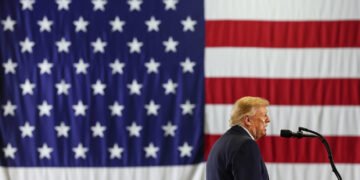
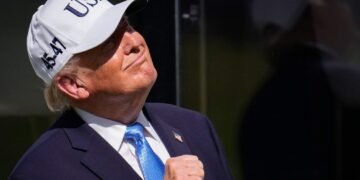
President Trump, for his part, has stated that the United States will win the Iran war “very soon.” He also rejected a proposal to reopen the Strait of Hormuz. However, his overall approval rating has been in what Kornacki described as a “steady decline,” a trend that Republican strategists are watching closely.
Cracks Forming in the Republican Coalition
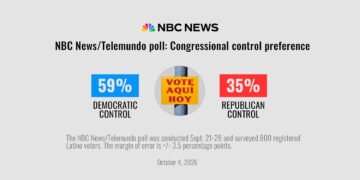
A new poll has identified what analysts are calling “real cracks in the Trump coalition” — the political base that carried him to victory in 2024. Those fractures could prove costly for Republicans in 2026. The economy, which helped Trump win two years ago, is now emerging as a potential liability for his party.
Some GOP midterm candidates are already responding to the shifting mood. In a last-minute move, several Republican candidates have begun distancing themselves from Trump in what observers describe as a deliberate “sell to voters.” Ohio GOP leaders have also advised Vivek Ramaswamy to stop campaigning using a private jet, signaling internal concerns about optics ahead of the vote.
Broader Political Tensions Shape the Midterm Climate
Beyond the war, several other issues are adding to the turbulent political environment. Independent Senate candidates have publicly criticized Congress for failing to pass artificial intelligence guardrails, calling the inaction “reckless.” A bipartisan bill is also moving through Congress with the stated goal of ensuring lawmakers engage more directly on AI policy.
On the Democratic side, a Kentucky candidate has pledged to “repair the damage that Mitch McConnell has caused,” while a Kansas Democratic Senate candidate dismissed attacks from Vice President Vance on faith as a sign of “desperation.” A former White House attorney also warned that courts will face significant stress if Trump becomes, in his words, “desperate to cling to power.”
With the midterms approaching, the combination of war fatigue, economic anxiety and political division is creating an unusually charged atmosphere. Allen’s reporting from Iowa and Ohio suggests that voters on the ground are paying close attention — and that their frustration could deliver real consequences at the ballot box.