English













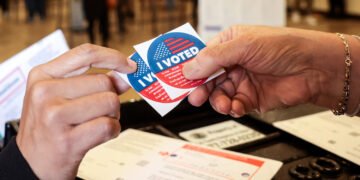


























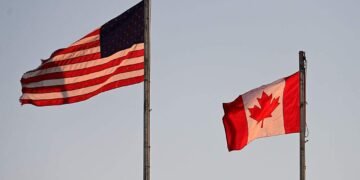





Canada held federal byelections Monday in three ridings across British Columbia, Ontario and Quebec, with voters casting ballots against a backdrop of growing anxiety over U.S. President Donald Trump’s escalating trade war with Canada.
Polls opened in the Ontario riding of Beaches-East York and the Quebec riding of Chicoutimi-Le Fjord earlier in the day. North Vancouver-Capilano in British Columbia followed, with polls opening at 9 a.m. Pacific time.
Stay connected to every major update — subscribe and follow us on the PhoenixQ website and across our social media platforms.
Early Voter Turnout Across Three Ridings
Elections Canada reported that 39,500 Canadians had already cast ballots during the advance polling period, which ran from August 21 to August 24, according to preliminary figures.
North Vancouver-Capilano led all three ridings in early participation, recording 16,700 advance votes. Beaches-East York followed with 11,800, while Chicoutimi-Le Fjord saw 11,000 advance ballots cast.
What Each Riding Represents
The Liberal Party is working to defend North Vancouver-Capilano, a seat it has held since 2015. The riding opened up after longtime MP and cabinet minister Jonathan Wilkinson departed to serve as Canada’s ambassador to the European Union.
In Ontario, the Beaches-East York seat became vacant following the departure of Nate Erskine-Smith. The former Liberal MP and cabinet minister is now pursuing a seat on Toronto city council after an unsuccessful bid to represent the provincial Liberals in a separate upcoming byelection.
The third contest, in Chicoutimi-Le Fjord, opened after Prime Minister Mark Carney appointed sitting Conservative MP Richard Martel to the Senate, triggering the vacancy.
Trade War Tensions Shape the Political Mood
Trump’s repeated tariff escalations against Canada have cast a long shadow over all three races. A new Ipsos poll conducted for Global News found that 44 per cent of Canadians would vote Liberal if a federal election were held today. The Conservatives stood at 33 per cent, the NDP at 10 per cent and the Bloc Québécois at eight per cent.
Liberal support proved strongest in Ontario, where 49 per cent of respondents backed the governing party, and in British Columbia at 46 per cent. In Quebec, the Liberals led with 37 per cent, though the Bloc Québécois remained competitive at 33 per cent. The Conservatives trailed in third place in Quebec at 22 per cent.
The same poll also revealed broad public support for Canada holding firm against any U.S. trade deal, even at the cost of higher tariffs and economic disruption. Roughly 65 per cent of respondents in British Columbia and Ontario supported that position, with 57 per cent expressing the same view in Quebec.
The Canada byelections results will offer the Carney government an early read on voter sentiment as trade tensions with Washington continue to shape the national political conversation.