English











































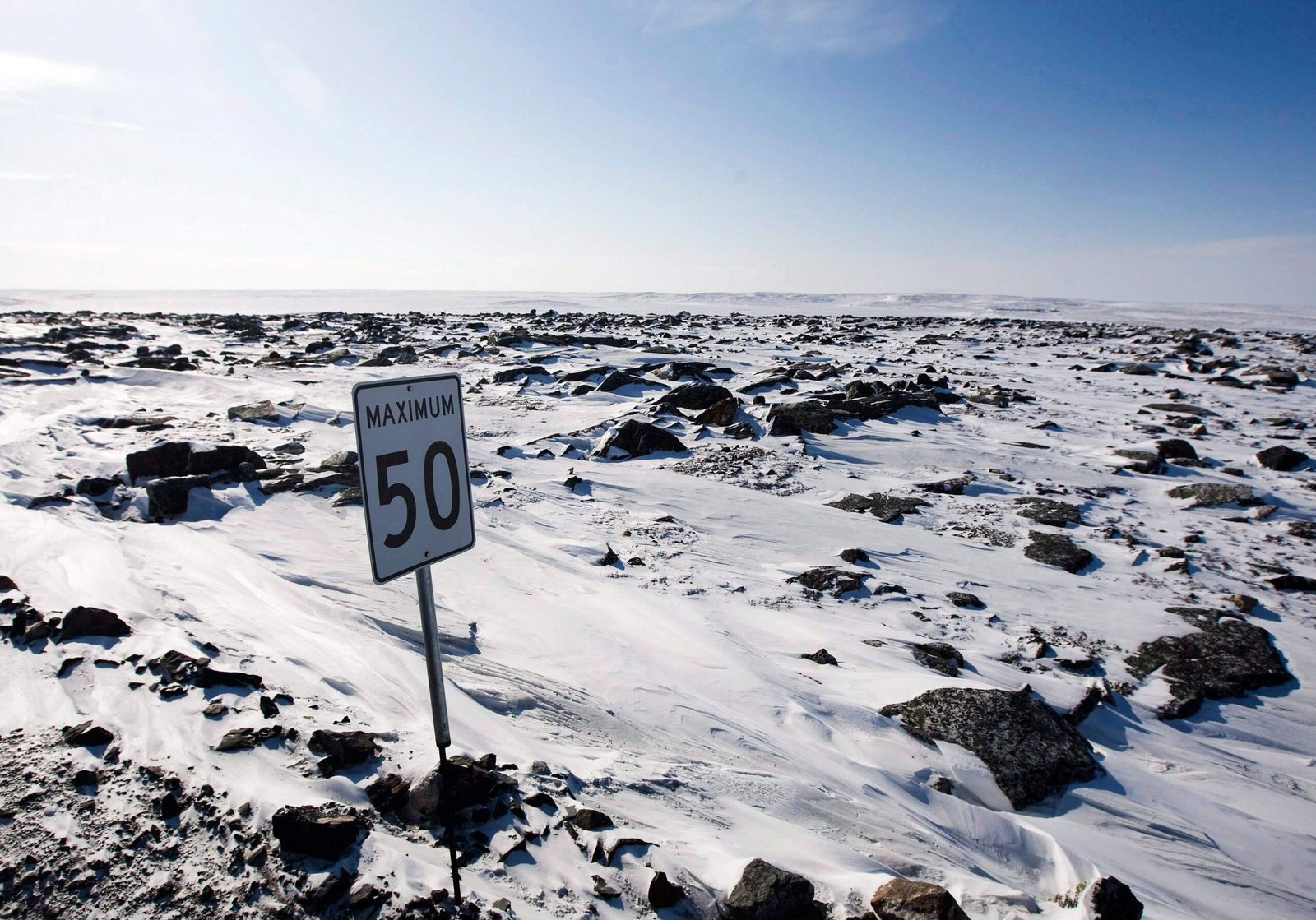
A Canadian company is pushing forward with an ambitious plan to build a road, deepwater port and airfield in one of Canada’s most remote Arctic locations. West Kitikmeot Resources Corp (WKR) wants to connect Nunavut to the rest of the country through a megaproject centered on Grays Bay, a deepwater inlet on Nunavut’s northwestern Arctic coast where no permanent communities exist and no all-season road currently reaches.
A Gateway for Critical Minerals
The Grays Bay Road and Port (GBRP) project would stretch 230 kilometres north from the Nunavut-Northwest Territories border. WKR CEO Brendan Bell says the primary goal is to unlock landlocked copper and zinc deposits in the region. “You can’t fly this material out of here — you need infrastructure to get to tidewater,” Bell says. The company also argues the project would give Canada its first deepwater seaport on the western Arctic coast, strengthening northern security and creating a major economic gateway.
Stay connected to every major update — subscribe and follow us on the PhoenixQ website and across our social media platforms.
Engineers estimate the project will take five years to build and cost more than $1 billion. Currently, the Nunavut Impact Review Board is assessing the proposal. Prime Minister Mark Carney has also referred it to the federal major projects office, which could accelerate regulatory approvals.
Engineering in Extreme Conditions
The scale of the construction challenge is enormous. The road requires 15 million cubic metres of rock — enough to build the Great Pyramid of Giza six times over. Crews plan to open up to 40 quarries along the route to source that material. The 10-metre-wide road will also cross a maze of lakes, streams and ponds, requiring roughly 230 bridges and culverts.
Ed Grozic, Arctic engineering director at Tetra Tech, helped build the 138-kilometre Inuvik-Tuktoyaktuk Highway, which opened in 2017. He describes the GBRP as a major challenge requiring alignment across labour, equipment, governments, landowners and the environment. Workers will face temperatures below -30 C during winter construction seasons. Meanwhile, WKR’s chief operating officer Elliot Holland warns that timing is critical. “A delay of a month can imply a delay of a year in the Arctic,” he says.
Melting permafrost adds another layer of complexity. The road must remain stable for 75 years, well into the 2100s, in a region warming several times faster than the global average. WKR plans to use fill-only construction where possible and route the road over stable bedrock. Where that is not practical, thick gravel embankments will act as insulating blankets to keep the frozen ground below from thawing.
Lessons from Past Arctic Roads
Two earlier Arctic road projects offer cautionary lessons. The Dempster Highway took 20 years to complete and opened in 1979. The Inuvik-Tuktoyaktuk Highway faced gravel shortages and required constant maintenance after its embankment settled into the tundra surface. Permafrost thaw has since caused landslides, washouts and culvert failures along both routes.
Grays Bay has one advantage: much of its route crosses bedrock, allowing the use of higher-quality quarried rock. However, with 230 water crossings planned, culvert management will remain a serious concern.
Decades of False Starts
The idea of a road to Grays Bay has circulated since the 1970s. Previous proposals stalled due to cost overruns, government funding disputes and withdrawn support. The Nunavut government pulled out of an earlier version in 2018, saying it could not afford its share. WKR took over the project in 2023, with the Kitikmeot Inuit Association as a major shareholder and Calgary-based Atco holding a 40 per cent stake. This time, WKR expects to raise 25 per cent of startup funds from the private sector, with the remaining 75 per cent potentially coming from Ottawa.
Bell says the political climate has never been more favourable. Community meetings are scheduled for this fall, and he hopes the review board will make a recommendation in early 2027. WKR aims to select a construction consortium in March and begin construction in 2030, with operations starting in 2035. Northwest Territories infrastructure minister Caroline Wawzonek supports the effort. “If we’re saying that we want to connect this country and build it into a truly Arctic and northern nation,” she says, “then let’s do that.”