English















































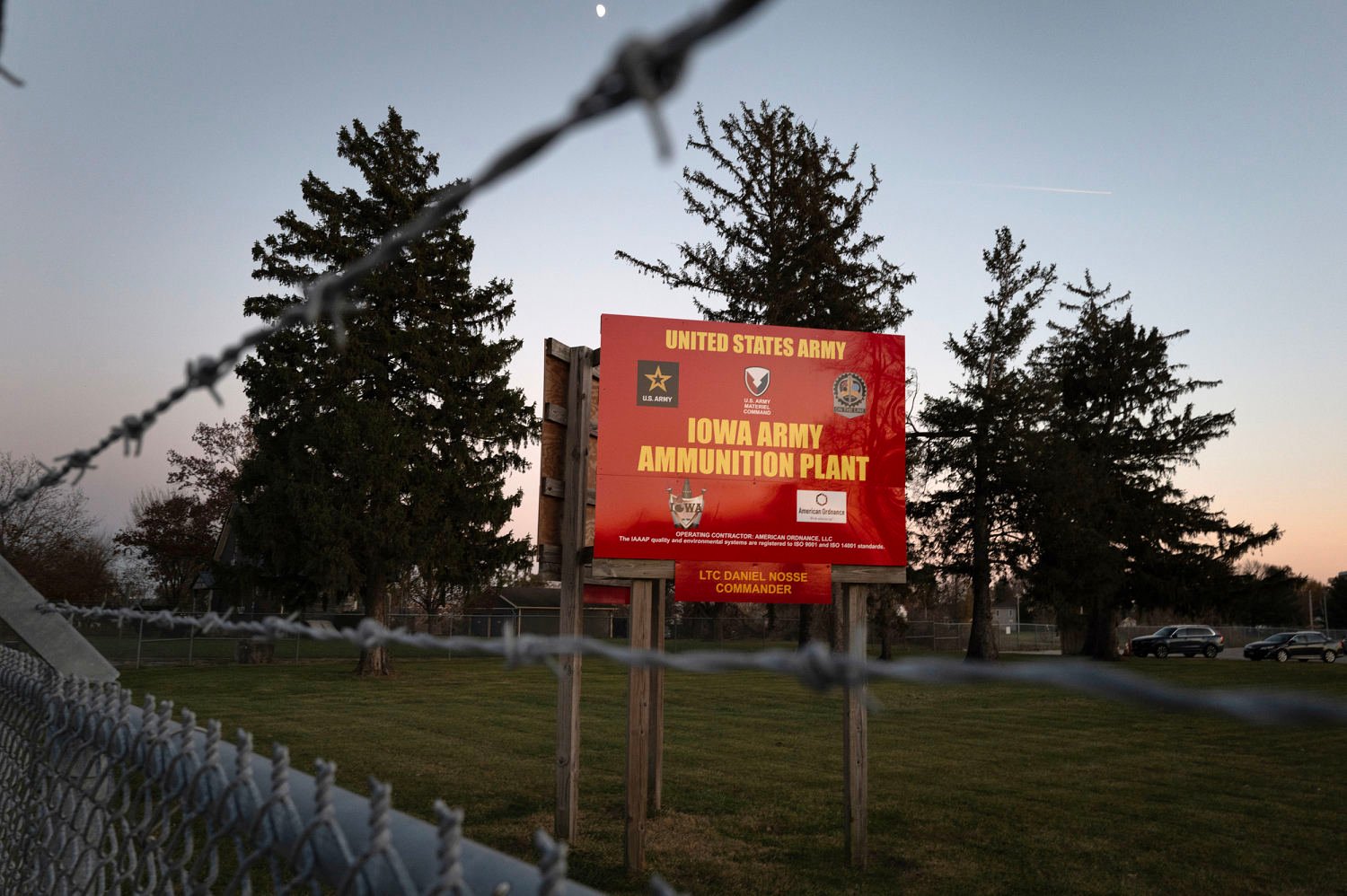
A federal appeals court cleared the way Monday for the U.S. Army to detonate 68 drums of degraded lead azide at an Iowa ammunition plant. The 8th Circuit U.S. Court of Appeals denied an emergency request from environmental groups seeking to block the Army’s permit. The ruling allows the controlled detonation to proceed, though the exact timing remains uncertain.
Court Weighs Safety Risks
The appeals court acknowledged serious concerns about the planned blast. However, it concluded that the risk of an uncontrolled spontaneous explosion outweighed the dangers of a carefully managed detonation. “A controlled detonation with attendant safety measures better alleviates the risk of irreparable harm than the risk of an uncontrolled explosion,” the court stated.
Stay connected to every major update — subscribe and follow us on the PhoenixQ website and across our social media platforms.
The court also found that the Environmental Protection Agency had built adequate safeguards into the Army’s permit. Those safeguards aim to limit the spread of lead during the blast. The Army has covered the bunker with two stories of sand inside collapsible, modular barriers to absorb the explosion’s force.
Lead Azide Poses Serious Hazard
The 68 drums at the Iowa Army Ammunition Plant in Middletown contain lead azide, a chemical used in bomb triggers. The Army says the material has undergone recrystallization, making it highly unstable. Officials warn that cold weather could further destabilize the substance and trigger a spontaneous explosion.
Lead is a potent neurotoxin with no safe exposure level. Experts say airborne lead poses an acute health risk. Once deposited in soil or on surfaces, it can remain indefinitely unless physically removed. Long-term exposure links to learning disabilities, reproductive problems, mental health issues and hearing loss, with young children facing the greatest risk.
The detonation could send a plume of lead dust across Iowa and into neighboring states. Many residents said they only learned about the plan last week and felt they had little time to prepare.
Trump Weighs In Before Ruling
Earlier Monday, President Donald Trump ordered the Army to pause the detonation until the appeals court ruled. In a Truth Social post, Trump said he supported removing the hazardous material but wanted court approval first. He also said he was making the decision subject to the agreement of Iowa Governor-elect Rob Sand, who has not yet taken office.
Trump warned that if Sand or the courts objected, the Army would not proceed. He added that military experts considered Wednesday’s weather conditions optimal for the operation. “The experts feel there is a substantial chance that this material will explode of its own volition, perhaps sometime in the near future,” Trump wrote.
Residents Express Frustration
Meanwhile, local residents grew increasingly frustrated with repeated scheduling changes. Debra Ott, who lives about five miles from Middletown in Augusta, Iowa, said she planned to stay indoors for a full day after the detonation. She expressed concern about lead exposure given existing respiratory problems. “If they’re going to do it, I wish they just do it and quit changing it every day,” she said.
Jill Holler, who lives roughly 50 miles away in Muscatine, said she rushed to collect soil samples Sunday night to establish a baseline before the blast. Her family farms about 20 miles west of Middletown, raising cattle and growing soybeans and corn. “It just isn’t adding up,” Holler said. “I think there’s going to have to be some explanation of what’s been going on.”
Governor-elect Sand, meanwhile, called on the federal government to share its information with the public. He said everyday Iowans deserved to understand how the situation developed and why a detonation was considered the best available option.