English








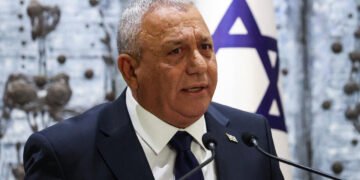































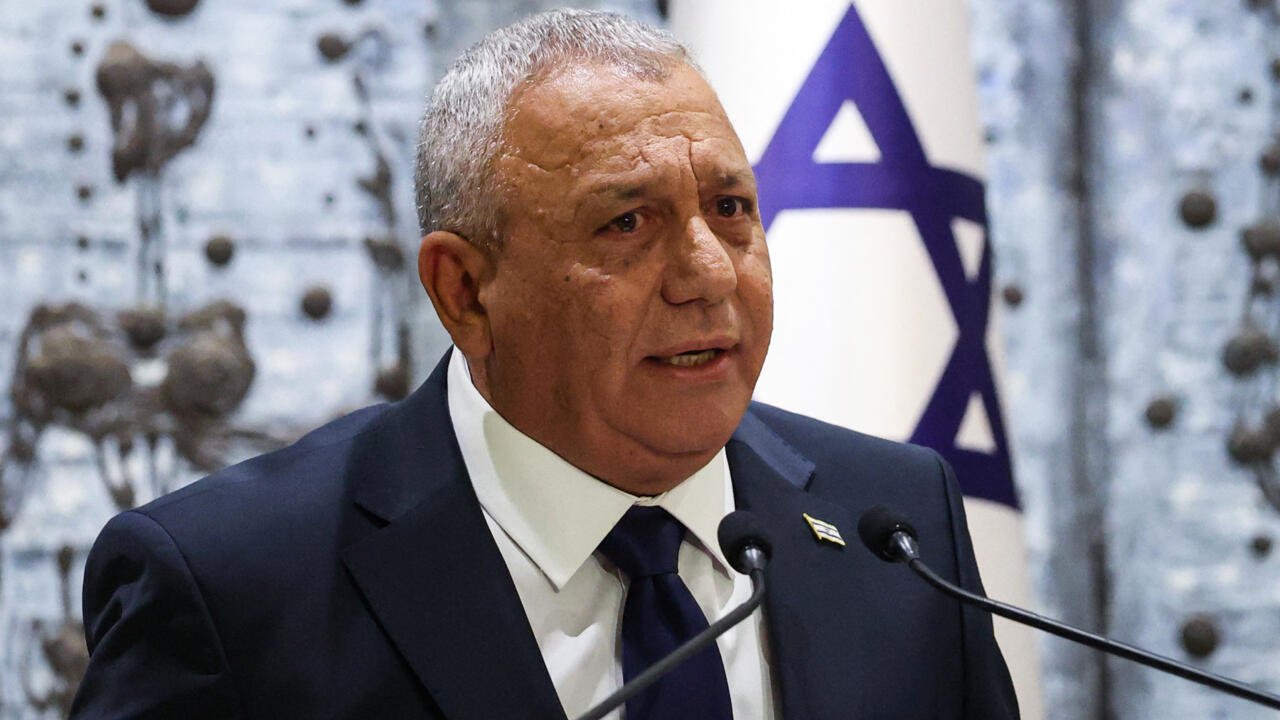
Gadi Eisenkot, tasked with forming Israel’s next government, has invited the right-wing Likud party to coalition talks. His centrist Yashar party confirmed on Saturday that the discussions would begin on Sunday. The party described the move as reflecting a “genuine commitment to forming the broadest possible government.”
Eisenkot Pursues All Options
Eisenkot, a former military chief, has until next month to build a governing coalition. The October election failed to deliver a clear majority for either political bloc, leaving the path to government formation uncertain. Caretaker Prime Minister Benjamin Netanyahu’s Likud remains a key player in the negotiations.
Stay connected to every major update — subscribe and follow us on the PhoenixQ website and across our social media platforms.
Yashar released a formal statement outlining Eisenkot’s approach. “In an effort to pursue every option for forming a new government, Yashar Chair Gadi Eisenkot has instructed the party’s negotiating team to invite its Likud counterparts to a marathon series of talks beginning with the meeting already scheduled for tomorrow,” the statement read. The party also pledged to “leave no stone unturned” to secure the breakthrough needed.
Divisions Within the Anti-Netanyahu Camp
The invitation to Likud comes as Eisenkot’s broader anti-Netanyahu alliance faces internal tensions. Disagreements have emerged over whether to seek alliances with ultra-Orthodox parties and Arab-majority lists, or to pursue a national unity government with Netanyahu’s bloc instead.
Former Prime Minister Naftali Bennett, a significant figure in Eisenkot’s camp, publicly rejected any partnership with Netanyahu on Saturday. Bennett called for a “Zionist unity government headed by Eisenkot.” He also stated he was “committed to ensuring that Netanyahu will not be the next Prime Minister of the State of Israel,” adding that his party would not join Netanyahu or his bloc “under any circumstances.”
Netanyahu Pushes for National Unity
Netanyahu has actively campaigned for a national unity government, arguing it is essential for Israel’s security. However, Eisenkot has drawn a clear line. He has indicated openness to working with individual Likud members, but previously ruled out serving under Netanyahu’s direct leadership.
Meanwhile, Eisenkot signaled on Friday that he would not allow coalition talks to drag on indefinitely. He stated he was prepared to put a minority national emergency government to a parliamentary vote if broader coalition efforts ultimately failed. That approach would represent a significant departure from the wide-ranging government his camp initially sought.
The coming days of talks with Likud will therefore be closely watched. They could either open a path toward national unity or further expose the deep divisions shaping Israel’s post-election political landscape.