English


















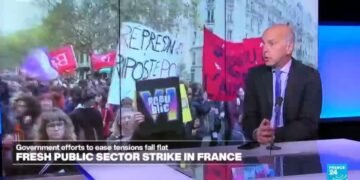






















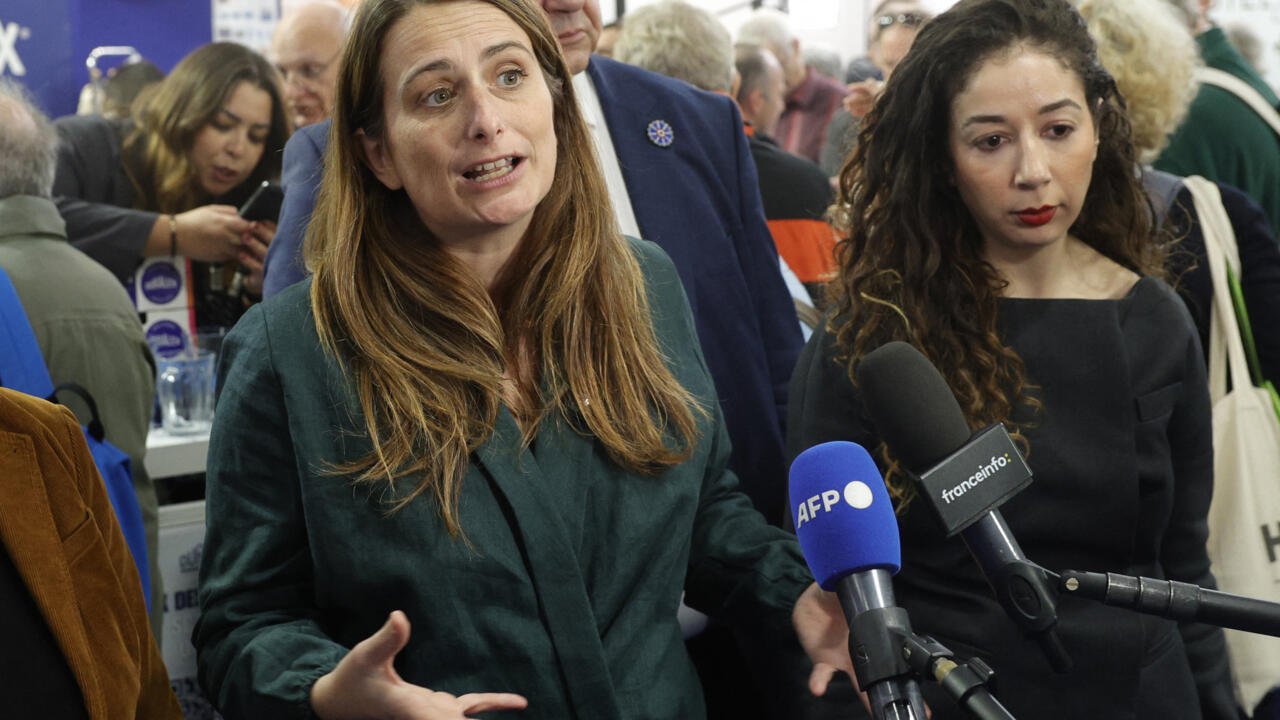
French far-left leader Jean-Luc Mélenchon has signalled openness to forming an alliance with the Green party, saying such a deal “should be possible.” His comments came after Green leader Marine Tondelier tentatively expressed support for his presidential candidacy, sparking sharp criticism from rival politicians across the political spectrum.
Mélenchon Welcomes Green Party Overture
Mélenchon, 75, leads the France Unbowed party, known by its French acronym LFI. Speaking to AFP and broadcaster RTL, he welcomed Tondelier’s gesture. “We’re rather pleased,” he said. “Now we need discussions to take place and for things to move forward. It should be possible to reach a positive outcome.”
Stay connected to every major update — subscribe and follow us on the PhoenixQ website and across our social media platforms.
He also urged “cautious restraint,” adding that formal talks were set to begin later that same Thursday. LFI national coordinator Manuel Bompard had earlier described Tondelier’s remarks as “good news” that strengthens the party’s position on the left.
Tondelier, whose support sits at around three percent in current polls, made her initial comments on Wednesday evening. She told France 2 television that Mélenchon’s campaign momentum was “undeniable.” She added that both she and the Greens were ready to work on a coalition around his candidacy. However, any such decision still requires approval from Green party members in mid-December.
Rivals Condemn the Move
The tentative alliance drew swift condemnation from politicians on both the centre-left and centre-right. Socialist Party leader Olivier Faure said he regretted Tondelier’s decision. “The Greens belong at our side,” he told France 2.
Centre-left presidential candidate Raphaël Glucksmann offered a harsher response. He accused Mélenchon of Euroscepticism and of echoing Russian Foreign Minister Sergei Lavrov’s positions on Ukraine. “The party that was supposed to be the most pro-federalist party in Europe is going to choose to campaign for someone who would abandon the Ukrainian resistance,” Glucksmann alleged. Recent polls place Glucksmann, who leads the small Place Publique party, at between 11 and 13 percent of voting intentions. Mélenchon, meanwhile, is approaching 20 percent.
Foreign Minister Jean-Noël Barrot also attacked Tondelier’s move. He called it “a capitulation” on social media platform X. “By taking a back seat to Jean-Luc Mélenchon, Marine Tondelier is putting an end to 50 years of French political ecology that viewed Europe and democracy as its guiding principles,” he wrote.
Broader Electoral Context
Far-right candidate Marine Le Pen currently leads polls ahead of the French presidential election next spring. Mélenchon holds second place. Divisions among centrists and a fragmented left have raised the prospect of a second-round runoff between Le Pen and Mélenchon.
On Thursday, Tondelier stepped back slightly from her earlier position. “I haven’t even given my final opinion, which will depend on the discussions,” she said. She also stressed that she remains a presidential candidate herself for the time being. The situation continues to evolve as left-wing parties navigate a crowded and competitive field.