English














































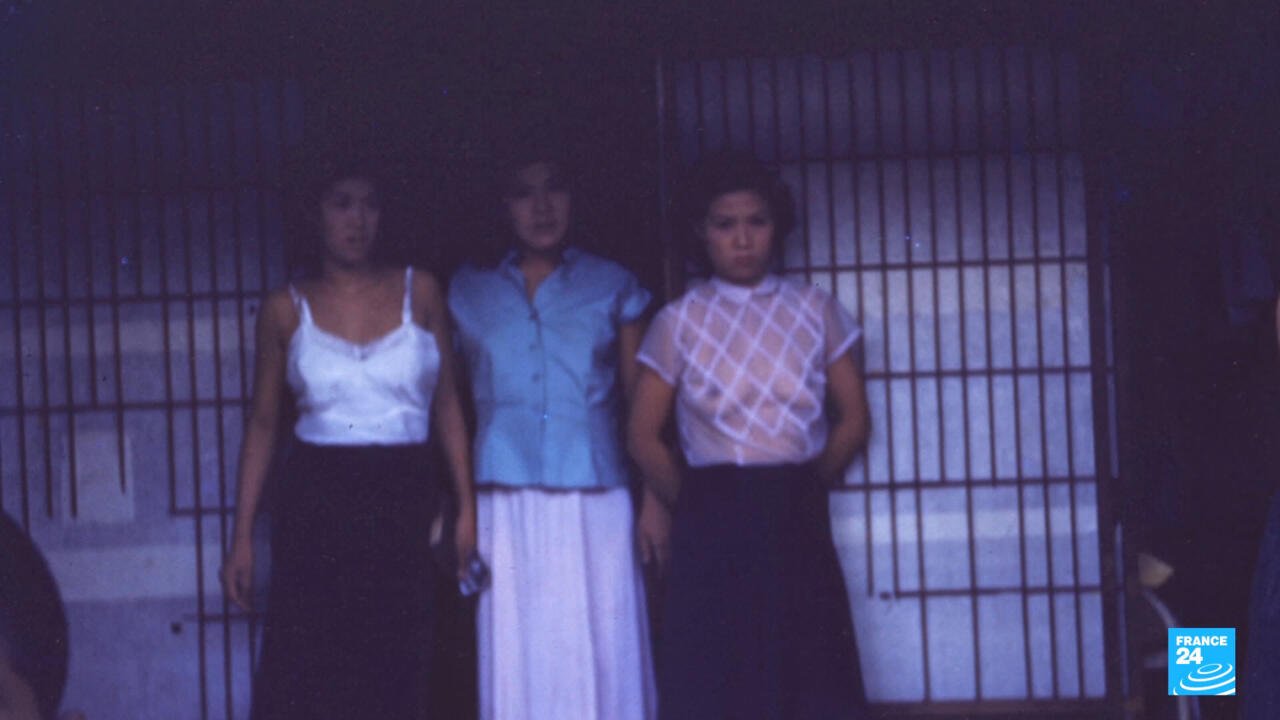
More than a decade after South Korea’s highest court acknowledged state-run brothels near American military bases, a group of survivors has taken their fight directly to the United States government. In May this year, 117 women filed a landmark lawsuit targeting the US for the first time over abuses they suffered in state-sanctioned brothels established for American soldiers following the Korean War.
Decades of Abuse Near US Military Bases
Tens of thousands of women were forced into these government-operated brothels after the Korean War ended. American servicemen used the facilities, and the women inside endured rape, physical violence and forced confinement. For decades, most survivors stayed silent about what happened to them.
Stay connected to every major update — subscribe and follow us on the PhoenixQ website and across our social media platforms.
The women, now mostly in their 70s, say both the South Korean and US governments bear responsibility for their suffering. They are demanding financial compensation and formal recognition of the abuses they endured.
South Korean Court Ruling Paved the Way
In 2022, the South Korean Supreme Court ruled that the government had illegally operated the brothels for American servicemen. That ruling was a significant moment for survivors. However, it did not address the role of the United States directly.
The May 2025 lawsuit changes that. For the first time, survivors are holding the US government legally accountable. The case marks a major escalation in their long campaign for justice.
Survivors Break Years of Silence
After years of staying out of the public eye, some of the women are now speaking openly about their experiences. Their testimonies describe systematic abuse carried out with the knowledge and involvement of both governments.
The survivors argue that authorities did not simply tolerate the brothels. Instead, they actively managed and enforced the system. Women faced physical confinement and had little ability to leave or seek help.
The lawsuit represents one of the most significant legal challenges yet to emerge from this chapter of post-war history. Advocates supporting the women say the case could set an important precedent for how governments answer for wartime and military-related abuses. For the survivors themselves, the legal action is about more than compensation. It is also about ensuring their experiences are formally acknowledged after a lifetime of silence.