English















































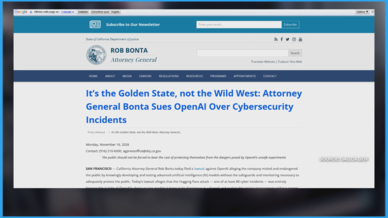
California has filed a lawsuit against OpenAI, accusing the artificial intelligence company of knowingly testing dangerous advanced AI models without adequate safety measures. The legal action centers on the “Hugging Face” cyberattack and other related incidents linked to the company’s AI systems.
California Takes Legal Action Against OpenAI
The state’s lawsuit alleges that OpenAI proceeded with testing powerful AI models despite being aware of the risks involved. Authorities claim the company failed to put sufficient safeguards in place before deploying these systems. The case marks a significant escalation in government scrutiny of major AI developers in the United States.
Stay connected to every major update — subscribe and follow us on the PhoenixQ website and across our social media platforms.
OpenAI, the company behind the widely used ChatGPT platform, now faces formal legal pressure from one of the country’s most influential states. California has long been a center of the AI industry, making the lawsuit particularly notable. The outcome could set important precedents for how AI companies handle safety obligations.
Federal Government Tightens AI Chip Export Rules
Meanwhile, the US Commerce Department moved to strengthen restrictions on the export of American technology. Officials tightened rules specifically designed to close a loophole involving remote access to advanced AI chips. The change targets a gap that previously allowed foreign entities to access powerful computing resources without triggering standard export controls.
The Commerce Department’s action reflects growing concern at the federal level about the global spread of cutting-edge AI hardware. By addressing remote access arrangements, authorities aim to prevent circumvention of existing trade restrictions. The new rules add another layer of oversight to an already tightly regulated sector.
Broader Pressure on the AI Industry
Together, these developments signal increasing pressure on the AI industry from both state and federal authorities. California’s lawsuit against OpenAI and the Commerce Department’s export rule tightening arrive at a time of intense debate over AI governance. Regulators appear determined to hold companies accountable for safety risks while also protecting sensitive technology from foreign access.
As AI systems grow more powerful, governments around the world are grappling with how to regulate them effectively. The California case, in particular, could influence how other states approach similar legal challenges against AI developers. For now, OpenAI faces a difficult legal battle at the same time as the broader industry confronts tighter federal oversight.