English















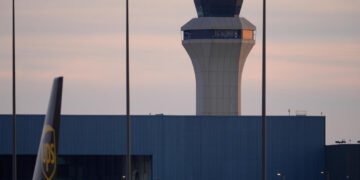
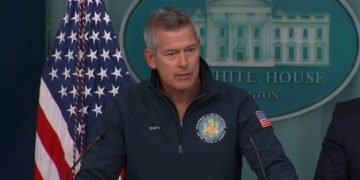




























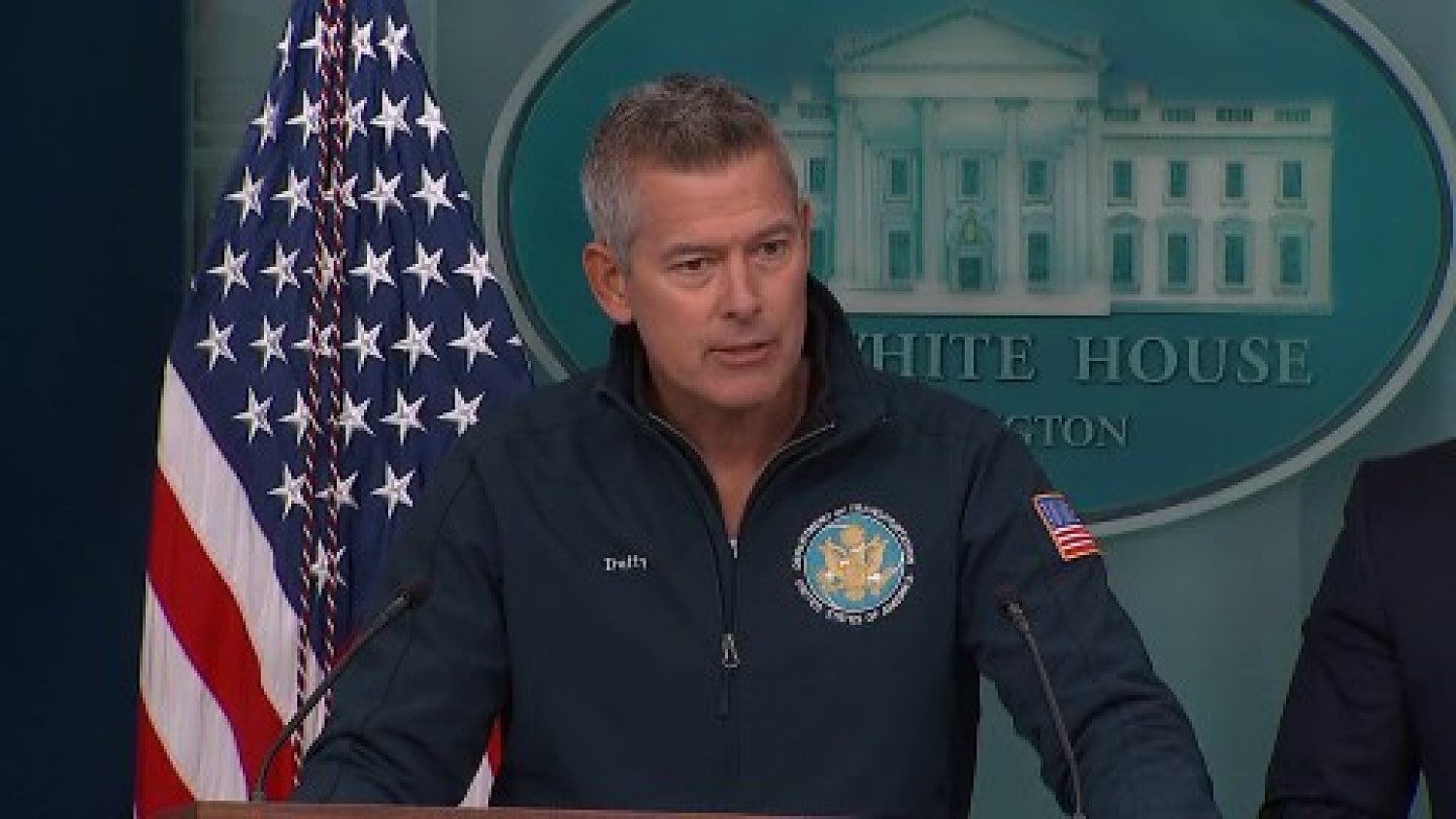
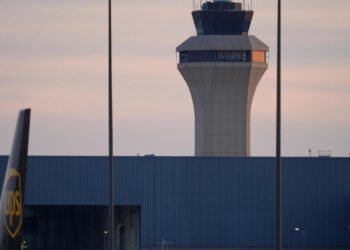
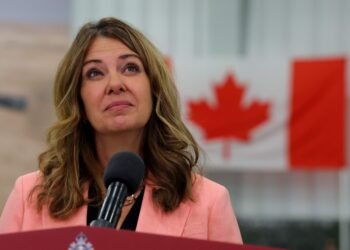
U.S. Transportation Secretary Sean Duffy has called for increased federal funding for the Federal Aviation Administration following a nationwide ground stop that stranded travelers across the country for hours. Duffy outlined the timeline of the disruption and pointed to outdated communications systems as the root cause of the crisis.
Outdated Systems Behind the Disruption
The FAA issued the nationwide ground stop citing safety concerns. The halt brought air travel across the United States to a standstill, affecting thousands of flights and leaving passengers stranded at airports from coast to coast. Secretary Duffy confirmed the outage stemmed from aging telecommunications infrastructure within the FAA’s network.
Stay connected to every major update — subscribe and follow us on the PhoenixQ website and across our social media platforms.
The Department of Homeland Security moved quickly to address public concern. Officials stated the ground stop was not the result of a cyberattack, adding that the agency is equipped to handle crises of this nature. Meanwhile, an AI startup also denied that its software played any role in causing the disruption.
Travelers Left Frustrated Across the Country
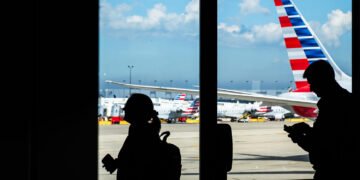
Passengers at airports nationwide felt the impact immediately. At Raleigh-Durham International Airport, stranded travelers described their frustration openly. “Very upset,” said one traveler, reflecting a sentiment shared by many across the country. In Chicago, frustrated passengers sought answers about checked baggage as the ground stop continued.
Some airports began running out of space for aircraft as the situation extended. The scale of the disruption forced airlines to cancel thousands of flights, compounding delays for travelers already caught in the chaos.
Calls for FAA Funding Reform
After the FAA lifted the ground stop, Secretary Duffy used the moment to push for greater investment in the agency’s infrastructure. He argued that the reliance on old communications systems created unnecessary risk. Therefore, he said, modernizing FAA technology must become a national priority.
Duffy’s demand for more FAA funding reflects broader concerns about the resilience of U.S. air traffic control systems. The ground stop served as a stark reminder of the vulnerabilities that aging infrastructure can introduce. As air travel demand continues to grow, officials say the case for upgrading these systems has never been stronger.