English


















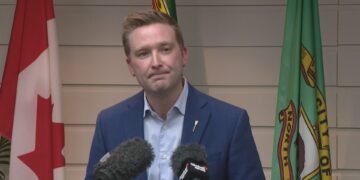




























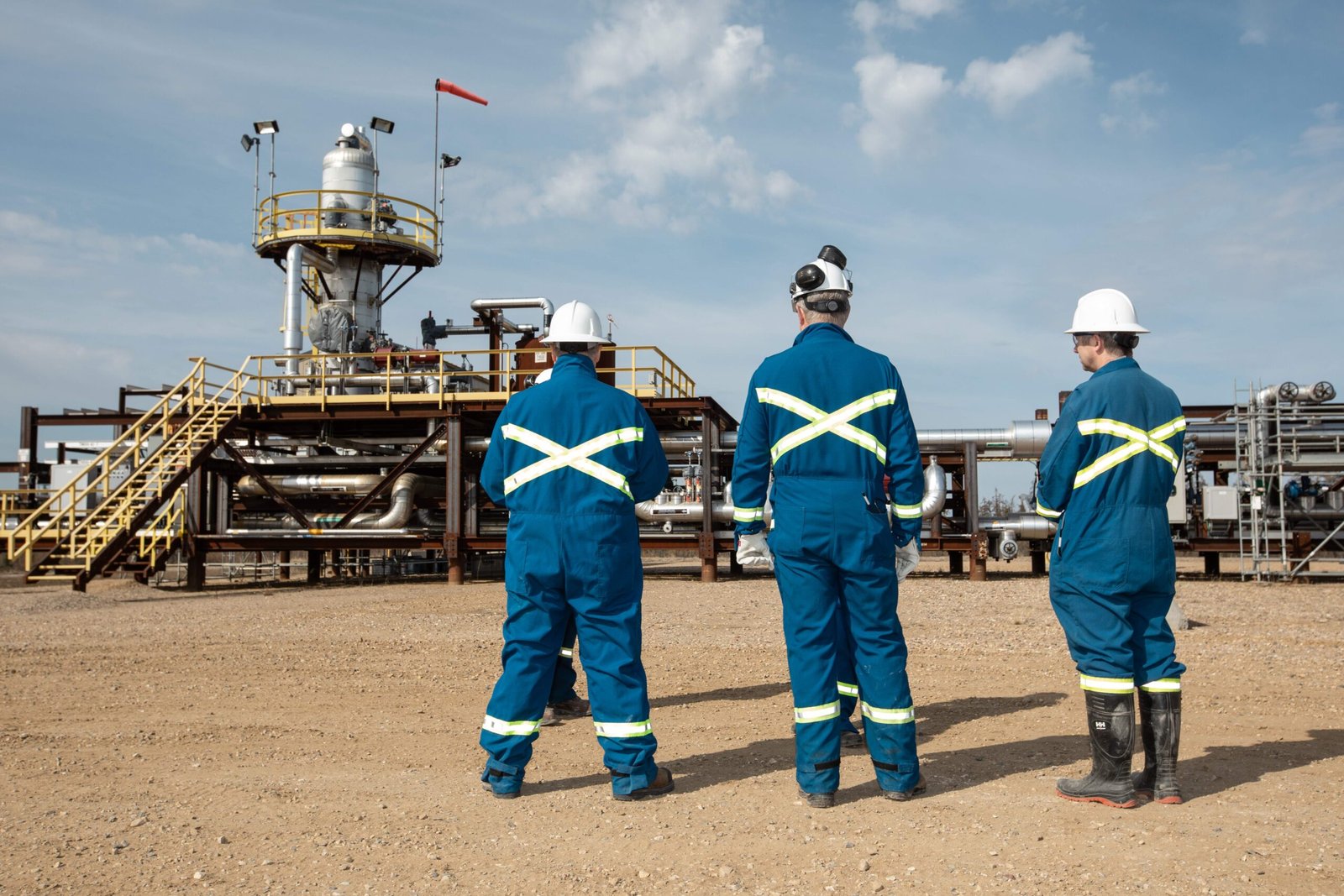
Alberta has launched a new royalty incentive program aimed at attracting fresh investment into the oilsands sector and boosting production to support a proposed pipeline to Canada’s West Coast.
How the New Royalty Program Works
The Oilsands Growth Program offers eligible companies a fixed 10-year royalty schedule. For the first five years, companies pay a two per cent royalty rate. After that, the rate rises by one percentage point each year until it reaches six per cent. Once the 10-year period ends, projects return to Alberta’s standard royalty framework.
Stay connected to every major update — subscribe and follow us on the PhoenixQ website and across our social media platforms.
The program applies to new oilsands projects and expansions. The government has set a deadline of the end of 2029 for companies to qualify. Premier Danielle Smith said the deadline is designed to push companies to commit to major investments and begin construction before that date.
Richard Masson, a former chief executive of the Alberta Petroleum Marketing Commission and former director of oilsands policy at Alberta Energy, welcomed the changes. “What they’ve done is make it less onerous for companies in the early years of a new project,” he said. “When companies have invested hundreds of millions — or billions — of dollars, they’re really keen to start to get their cash back early.”
Replacing a Volatile Royalty System
Alberta’s current royalty system has long tied the provincial budget to fluctuating oil prices. Critics have called this the “resource revenue rollercoaster.” Under the existing framework, royalty rates vary based on oil prices and whether a company has recovered its capital investment.
During the pre-payout phase, companies pay between one and nine per cent of gross revenue, depending on the price of West Texas Intermediate crude. The maximum rate applies when WTI reaches US$120 per barrel. As of last Friday, WTI traded at around US$88 per barrel.
The new program replaces that variable structure with a predictable, graduated schedule for qualifying projects. Alberta’s provincial government holds mineral rights to more than 80 per cent of oilsands lands.
Investment Outlook and Economic Impact
Masson said global instability is also driving demand for Canadian oil. He pointed to Russia’s invasion of Ukraine and ongoing conflicts in the Middle East as factors making those regions unreliable energy sources. “Asia is where the growth is and they’re looking for diversification,” he said. “Governments have now aligned themselves around that.”
He also predicted that the new royalty structure, combined with a federal productivity tax deduction announced in September, would make Canada highly competitive. “All those things are working in concert to say, ‘Canada is going to be one of the best places to invest for oil and gas development,'” Masson said. “I think we’re going to have 10 years of very, very solid growth.”
Alberta expects oilsands royalties to exceed $20 billion this year. However, Masson noted the cost of the new program is difficult to estimate, since some qualifying projects may not proceed without the incentive.
Environmental and Regulatory Requirements Remain
The Alberta government confirmed the Oilsands Growth Program does not alter existing regulatory requirements. New projects must still meet environmental standards and complete Indigenous consultation before receiving approval.
The announcement also comes ahead of a key deadline involving the proposed Pacific Link pipeline. Federal Energy and Natural Resources Minister Tim Hodgson said he remains confident that governments and industry will reach an agreement on managing oilsands emissions as production grows. “The people are working on it,” he said. “We will get to a good outcome.”