English










































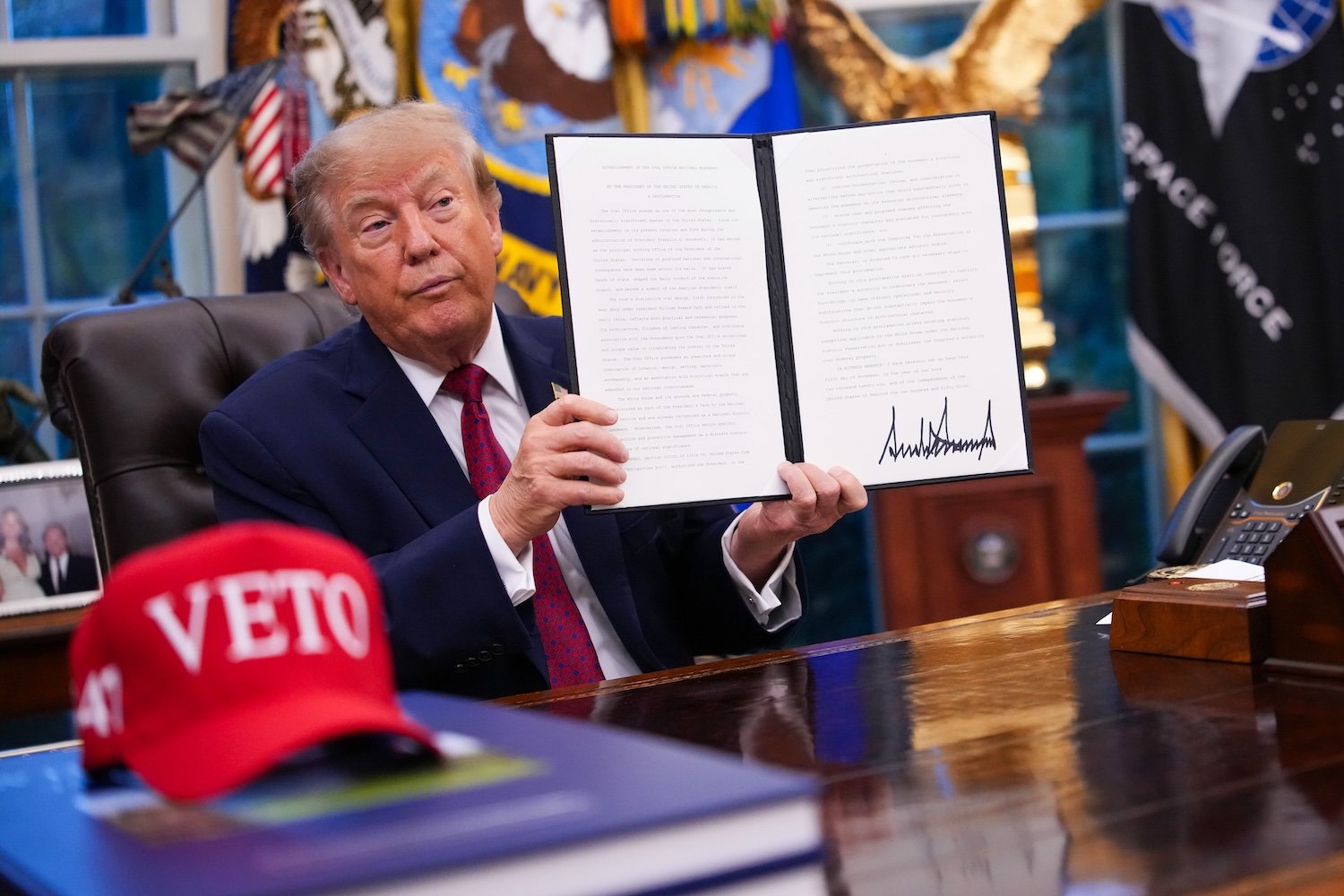
The Trump administration has asked the Supreme Court to formally approve a controversial $400 million construction project at the White House, including a 22,000-square-foot ballroom and military complex built on the site of the demolished East Wing.
Petition Filed After Election Day Losses
Solicitor General D. John Sauer filed the petition one day after Democrats scored sweeping victories in midterm elections nationwide. The timing drew attention, as Trump had visited the construction site the previous day. He spoke to reporters for nearly 20 minutes about the project without once mentioning the Republican losses, according to PBS.
Stay connected to every major update — subscribe and follow us on the PhoenixQ website and across our social media platforms.
The petition asks the justices to reverse a lower court ruling or hear oral arguments on the matter. At issue is whether a district court made an error in August when it blocked the ongoing construction of the 90,000-square-foot project.
Legal Standing at the Center of the Dispute
The petition targets a key legal question: who has the right to sue. The injunction blocking construction came after a challenge from the National Trust for Historic Preservation. Sauer describes the plaintiff, board member Alison K. Hoagland, as “a single passerby claiming she will dislike how the new building looks.”
Sauer argues Hoagland lacks legal standing. He cites court precedent holding that “mere offense, disagreement, or distaste does not qualify as a concrete and particularized injury.” However, a dissenting judge in the appeals court agreed with Sauer on this point, while the majority upheld the injunction.
The administration also frames the project as a national security necessity. Sauer describes it as a “vital national-security effort” tied to the president’s personal safety, citing what he calls an “onslaught of assassination attempts.” The source article notes that a generous count puts that number at three.
Courts Have Repeatedly Clashed Over the Project
The legal battle has moved through several courts. In April 2026, US District Court Judge Richard J. Leon rejected Trump’s plans in a sharp 35-page opinion. Leon wrote that the president is “the steward of the White House for future generations of First Families” but “not, however, the owner.”
A three-judge appeals panel later upheld Leon’s ruling in August. The majority concluded that only Congress holds the power “to regulate the construction and demolition of White House structures.” Meanwhile, the US Court of Appeals froze Leon’s order temporarily to allow the government to appeal to the Supreme Court.
The Supreme Court then issued a stay in August, greenlighting construction in a 5–4 decision. Chief Justice John Roberts dissented, joined by Justices Ketanji Brown Jackson, Elena Kagan, and Sonia Sotomayor. The four dissenters wrote that the construction “is likely unlawful” and called the majority ruling “no victory for the separation of powers.”
Project Already 70 Percent Complete
Sauer argues that reversal is now practically impossible. He states the project is 70% complete and that “there remains no sound way now to redesign or unwind the massive superstructure.” The White House previously justified demolishing the original East Wing by saying the old structure could not support blast-proof windows, fortified walls, or missile-resistant columns.
The project has drawn intense criticism since Trump razed the East Wing in October 2025. The legal dispute over its future now rests with the Supreme Court.