English


















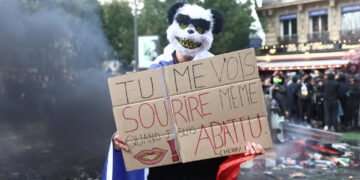








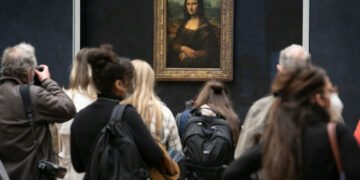






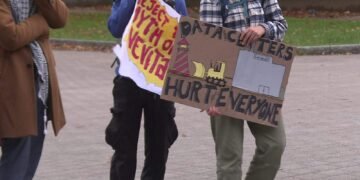


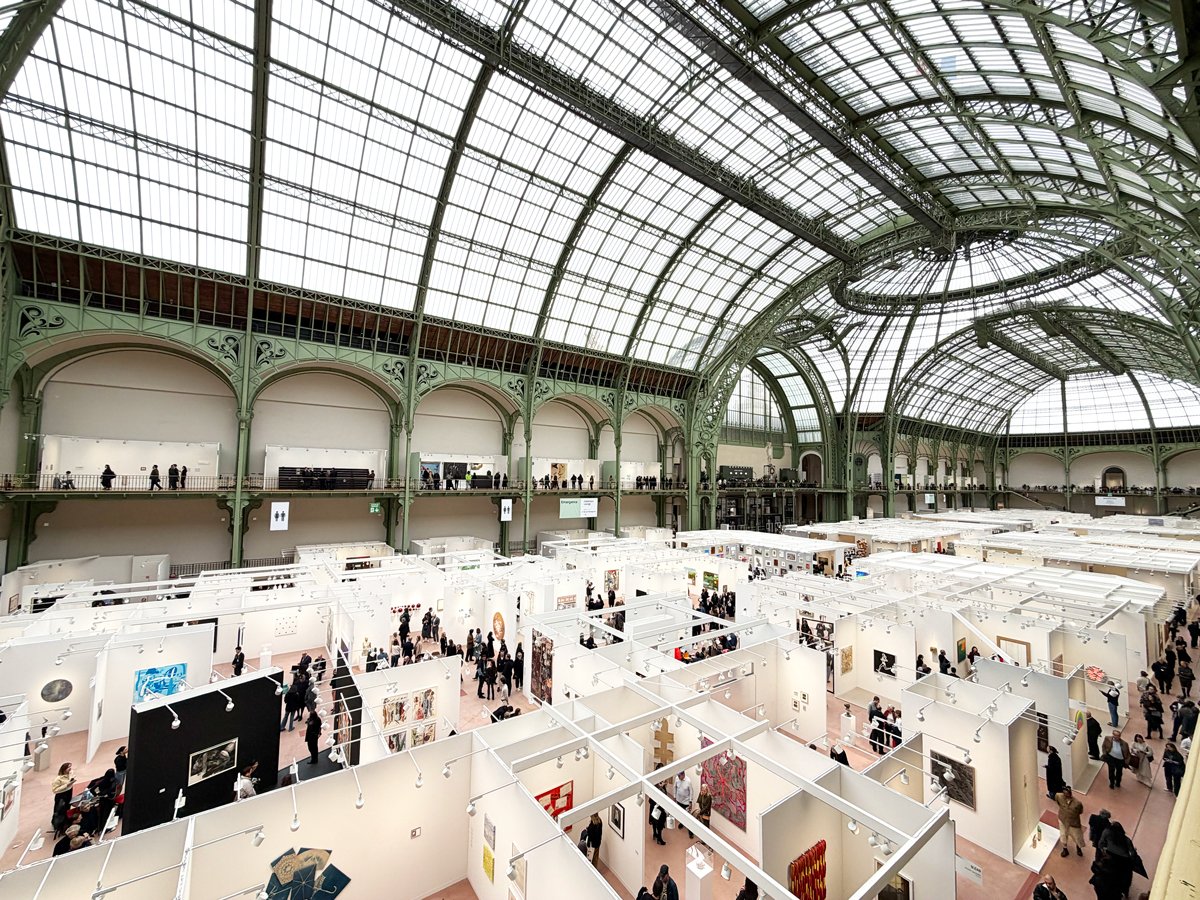
Several of Paris’s most prominent museums shut their doors on Saturday as French authorities braced for a new wave of protests across the capital. The Louvre, Musée d’Orsay, Picasso Museum, and the Grand Palais exhibition spaces all closed in anticipation of the demonstrations. The French Ministry of Culture urged all national and public museums to take every necessary step to protect visitors, staff, and artworks.
Many businesses across Paris also began boarding up their windows. The precaution followed last weekend’s civil unrest, which erupted after largely peaceful protests over social and economic inequality and a rising cost of living. French President Emmanuel Macron announced that only union-organized protests would be permitted on Saturday. He also confirmed that partial curfews would take effect in several cities. Macron blamed the previous weekend’s violence on what he described as “political and seditious acts by the ultra-far-left groups who aimed to bring down the republic.”
Stay connected to every major update — subscribe and follow us on the PhoenixQ website and across our social media platforms.
Marcel Duchamp Prize Awarded to Brognon Rollin
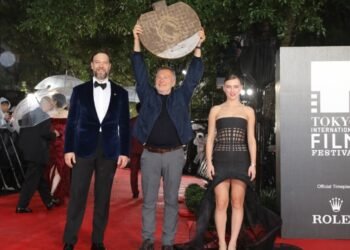
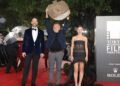
Meanwhile, in a separate cultural development, artist duo Brognon Rollin claimed the prestigious Marcel Duchamp Prize in Paris. The Musée d’Art Moderne de Paris announced that David Brognon and Stéphanie Rollin won the award for their project titled “5,376 years, 1892 months, 1110 days, 1201 hours.” The duo live and work between Paris and Luxembourg.
For the winning project, the artists collected sobriety tokens from members of abstinence groups. Each token represents the length of time an individual has remained sober. Brognon and Rollin then calculated the total time the tokens collectively represented and displayed them in an installation evoking arcade and fairground games. Fabrice Hergott, director of the Musée d’Art Moderne de Paris, praised the work. “With Brognon Rollin, the Marcel Duchamp Prize recognizes a demanding body of work that is committed to materializing what usually escapes the eye: the time of waiting, of addiction, and of intimate resistance,” he said.
Franco Family Auction Faces Heritage Objections
In Spain, nearly 1,000 objects belonging to the family of former dictator Francisco Franco have sharply risen in estimated value ahead of a planned sale at Magna Art Auctions later this month. However, historic preservation groups argue that many of the lots qualify as items of national heritage. As a result, they are calling for the sale to be suspended.
In other news, a man was arrested in Quantico, Virginia, after using a sledgehammer to behead the figure of a Marine depicted in the Iwo Jima statue. The attack caused hundreds of thousands of dollars in damage. Also, Los Angeles architecture firm Johnston Marklee released design plans for an expansion of the Bass Museum of Art in Miami Beach. In addition, the forthcoming Róng Museum of Art in Shenzhen appointed three new members to its curatorial team ahead of its planned 2027 opening. The new appointments are Freya Chou, Li Jia, and Susanna Zhu.
New Research Sheds Light on Van Gogh’s Starry Night
Researchers believe they have identified the precise astronomical scene that inspired Vincent van Gogh’s iconic 1889 painting, The Starry Night. According to the Times of London, scientists think the famous swirling sky in the painting depicts the Taurus constellation, along with a waning crescent moon, the planet Venus, and the Hyades star cluster.
Van Gogh painted while staying at an asylum in Saint-Rémy-de-Provence. Researchers know he regularly looked out the east-facing window of his room. By superimposing star charts from that period onto the painting, scientists concluded that he most likely observed the sky on July 22, 1889. That date is approximately one month later than previous estimates suggested. It also supports the view that Van Gogh painted from direct observation rather than imagination. The Springer Nature group, which publishes the Scientific Reports journal, noted that the question had long been debated. “It has been debated whether the night sky in question was the painter’s fantasy, a symbolic representation, or a realistic astronomical observation,” the group stated.
Furthermore, a legislative bill introduced in France in March could significantly broaden the government’s definition of art classified as a “national treasure.” Under such a classification, artworks require export certificates that authorities may refuse to grant.