English







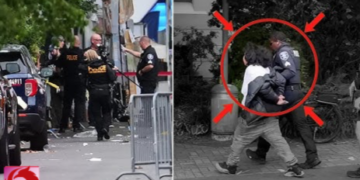

























A Virginia man faces felony charges after allegedly destroying part of the Iwo Jima memorial near the Quantico Marine base, causing damage that police estimate runs into the hundreds of thousands of dollars.
Prince William County police arrived at the site on Wednesday night and found 27-year-old Miguel Alonso Maldonado Soriano actively striking one of the monument’s statues with a sledgehammer. The attack left one of the six carved Marines without a head. A second figure’s helmet and face were chipped and gouged. In addition, a stone bayonet from a rifle carved over a third statue was missing entirely.
Stay connected to every major update — subscribe and follow us on the PhoenixQ website and across our social media platforms.
Charges and Custody
Authorities arrested Maldonado Soriano, of Stafford, Virginia, at the scene. He now faces two felony charges: injury to a monument and destruction of property. Prosecutors also charged him with a misdemeanor count of trespass with intent to damage property.
Officials are holding him without bond while he awaits a court appearance. A representative for the attorney assigned to his case declined to comment at the time of publication.
A Monument With Deep Historical Roots
The damaged structure is a smaller replica of the Marine Corps War Memorial in Arlington. Both monuments depict one of the most iconic images in American military history. In February 1945, Associated Press photographer Joe Rosenthal captured six US Marines raising the American flag atop Mount Suribachi on the Japanese island of Iwo Jima during World War II. That photograph later won the Pulitzer Prize.
However, the image carried some controversy for decades. Rosenthal actually photographed the second flag raising on the mountaintop, not the first. For many years, critics accused him of staging the scene. He denied those accusations until his death.
The Battle Behind the Image
The fight for Iwo Jima was one of the bloodiest engagements of the Pacific War. American and Japanese forces clashed fiercely for control of the island. Strategically, the island held enormous value. Its capture would mark the first piece of Japanese home territory taken by American forces.
Of the six Marines shown in Rosenthal’s photograph, only three survived the war. The other three died within weeks of the image being taken, before the battle for the island officially concluded.
The attack on the memorial has drawn attention across the region. The monument stands as a tribute to those who fought and died during one of World War II’s most significant Pacific battles.