English


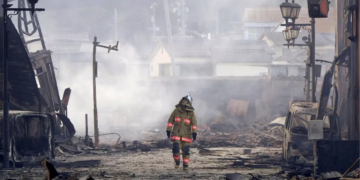










































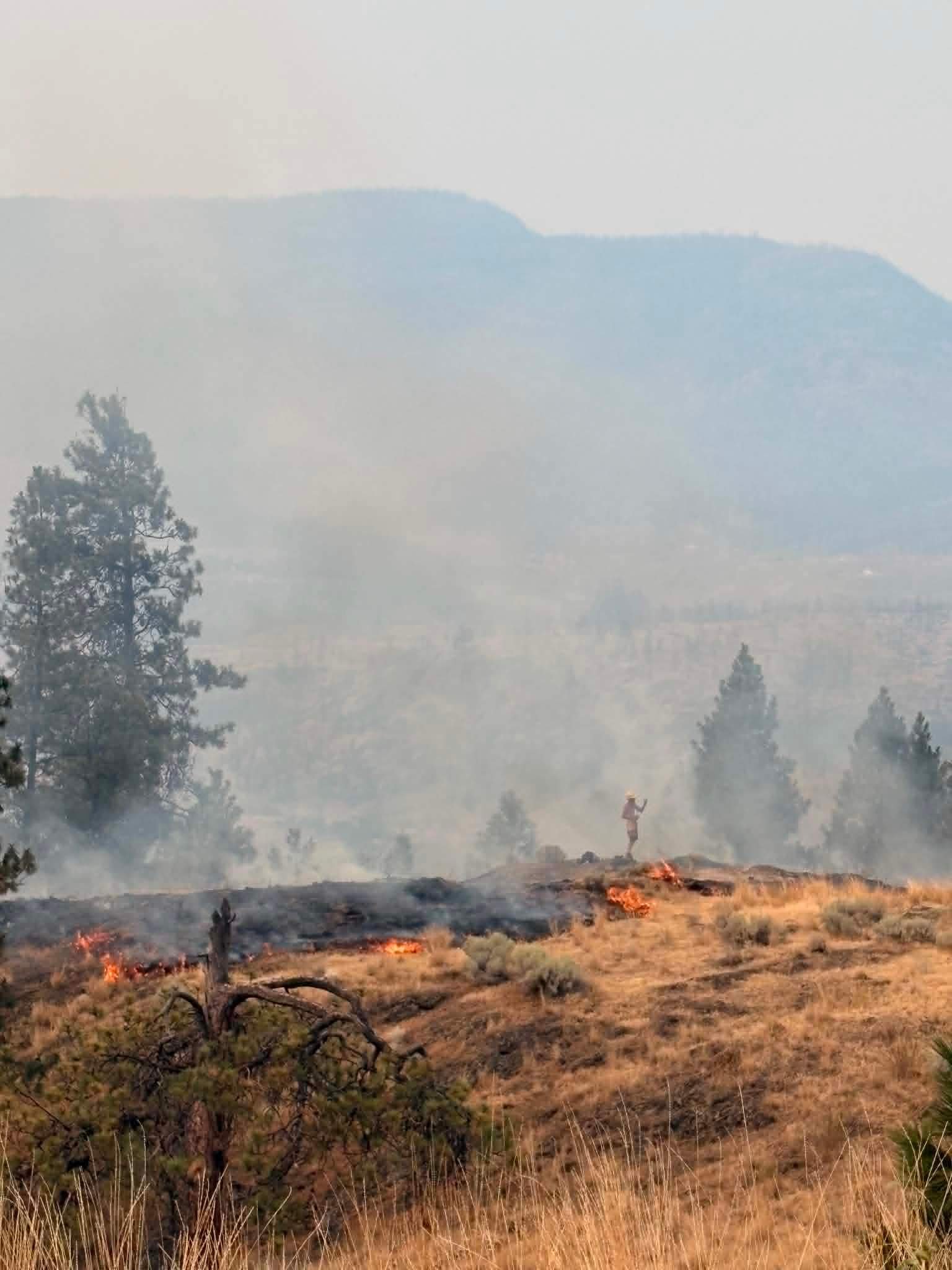
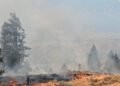
The Kelowna Fire Department is planning a series of prescribed burns across the city to reduce the risk of devastating wildfires in the Okanagan region. One of the targeted locations is Knox Mountain, which would receive its second prescribed burn from the department within the past year. The plans come after another severe wildfire season that left many residents shaken and eager for preventive action.
Residents Welcome Proactive Approach
For people living near the affected areas, the news has been largely positive. Roy Shatz, a resident who lives close to one of the planned burn sites, said the community needs to act before fires strike rather than after. “It’s good if we are proactive,” he said. “We need to be proactive. We’ve seen what the wildfires did in Summerland.”
Stay connected to every major update — subscribe and follow us on the PhoenixQ website and across our social media platforms.
The fire department hopes to complete three prescribed burns across Kelowna over the next month. However, weather will ultimately decide when crews can safely carry out each burn. Dennis Craig, assistant chief of mitigation, risk and wellness with the Kelowna Fire Department, explained that conditions must align before any burn can proceed. “We’re very much Mother Nature dependent. Mother Nature picks the burn day. We don’t choose the burn day,” Craig said. “It’s going to be temperature, humidity dependent and a big portion of that is venting.”
How Prescribed Burns Reduce Wildfire Severity
Craig emphasized that prescribed fire does not eliminate wildfire risk entirely. Instead, it reduces the amount of fuel available when a fire moves through an area. “Prescribed fire doesn’t eliminate fire; it just reduces the severity and the intensity of the fire should a fire come through,” he said.
Although prescribed burning has been practiced for centuries, its use in Kelowna is relatively recent. The process requires careful planning and strong public support. Craig noted that responsible execution remains a top priority. “It’s making sure we’re doing it responsibly,” he said.
Training Exchange Brings Firefighters Together
The planned burns will also serve as a training opportunity. Fire officials from across British Columbia will participate through the B.C. Wildfire Service’s Training Exchange program, known as TREX. Craig said his department actively invited others to take part. “We’ve invited them out to participate and assist us with the burns,” he said.
The program gives firefighters hands-on experience and helps build prescribed fire capacity across the province. Craig described it as a way to contribute to the broader industry. “It’s our way of giving back to the industry as a whole by providing this area for them to learn and develop, so that we can try and help the province out with getting more fire back on the landscape,” he said.
Prescribed burns are growing more common throughout B.C. The B.C. Wildfire Service completed 76 prescribed burns in 2025, up from 48 the previous year. Training programs like TREX are helping develop the skills needed to sustain that growth.
Broader Okanagan Effort
Kelowna is not acting alone. Similar prescribed burns are also in the works for Lake Country and the North Okanagan. The coordinated regional effort reflects a growing recognition that wildfire risk management requires consistent, ongoing action.
For residents like Shatz, the stakes are clear. The Okanagan has faced repeated wildfire devastation in recent years, and many locals believe more must be done each season. “We have to do more, I think, every year from now on,” he said.