English



























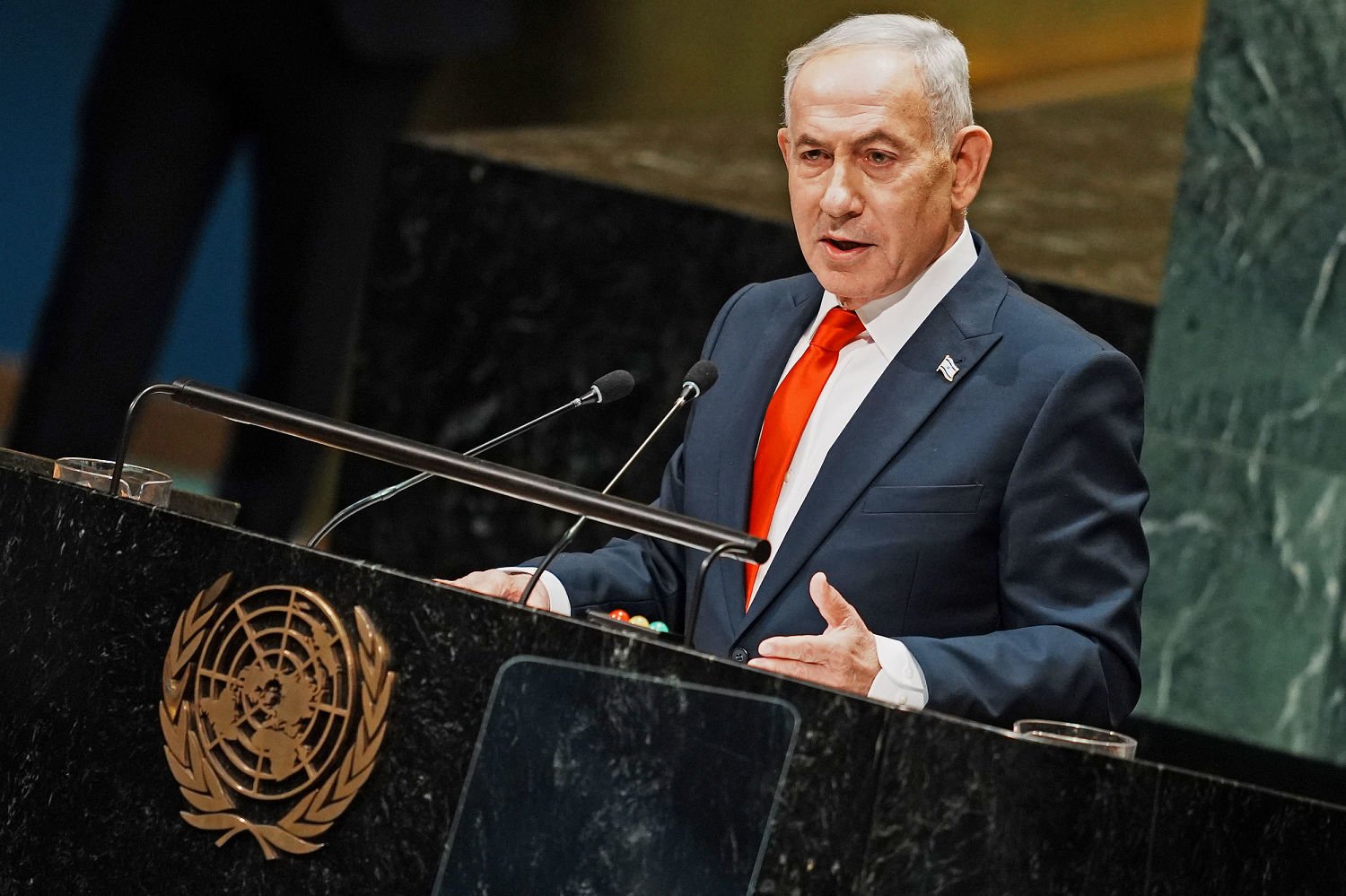
Israeli Prime Minister Benjamin Netanyahu used his address to the United Nations General Assembly to defend Israel’s military campaign in Gaza and reject accusations of genocide, delivering a speech that drew sharp criticism from New York City Mayor Zohran Mamdani and deepened international attention on Israel’s growing diplomatic isolation.
Netanyahu Rejects Genocide Accusations
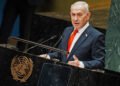
Standing at the UN podium, Netanyahu declared that accusing Israel of genocide is “the greatest lie of the century.” He dismissed the widespread international condemnation of Israel’s military operations in Gaza, where Palestinian health officials report more than 75,000 people have died since the conflict began.
Stay connected to every major update — subscribe and follow us on the PhoenixQ website and across our social media platforms.
He also downplayed the surge in settler violence in the West Bank, describing those responsible as “a handful of young juvenile delinquents.” Critics have called the violence a serious and growing threat to Palestinian communities across the territory.
Netanyahu also directed criticism at Qatar and Turkey, accusing both countries of spreading antisemitism and false information about Israel on the world stage. He additionally attacked those who have condemned Israel’s conduct in Gaza.
Mayor Mamdani responded sharply after the speech. He said Netanyahu “used his speech to repeat baseless lies meant to sanitize his genocide of Palestinians.” Mamdani also noted that Netanyahu remains the subject of an International Criminal Court arrest warrant alleging war crimes and crimes against humanity. Earlier this week, Mamdani had pledged to arrest Netanyahu for crimes against humanity before later acknowledging he lacked the jurisdiction to do so.
A Speech Shaped by Domestic Politics
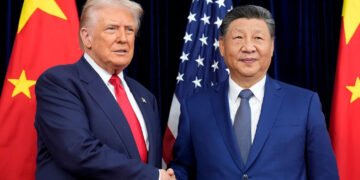
Netanyahu arrived in New York on a brief trip that underscored Israel’s increasing isolation over its Gaza offensive. He held only a small number of diplomatic meetings on the sidelines of the General Assembly. Meanwhile, US President Donald Trump focused his attention on a summit with Chinese President Xi Jinping.
Netanyahu left for New York on Wednesday evening. He said in a video before departing: “I am leaving tonight for New York in order to defend, from the UN podium, Israel and IDF soldiers.” He added, “You hear the terrible lies that are being spread there.”
Political analysts suggested the speech was as much about his domestic audience as the international one. Ephraim Ganor, a political and strategic affairs expert writing in the right-leaning Israeli newspaper Ma’ariv, argued that Netanyahu’s primary motivation was to speak directly to Israeli voters. “The main reason that brings him to the UN General Assembly this time is the opportunity to talk, using the UN microphone, to his voters in Israel, in his polished English, in a speech that of course will be accompanied by exaggerated descriptions of his great achievements,” Ganor wrote.
Netanyahu anticipated that delegates would walk out in protest during his address, as they have in previous years. However, that reaction also tends to strengthen his image among domestic supporters, for whom he has positioned himself as a defiant defender of Israel on the world stage. While much of the global community has condemned Israel over civilian casualties in Gaza, Netanyahu faces pressure at home from the Israeli right wing, which accuses him of not being aggressive enough in the broader conflict with Iran and its allied groups.
Props, Gimmicks and a Pointed Message
Netanyahu has a well-established history of using visual props during his General Assembly speeches. This year proved no different. He held up a pager similar to the explosive-laden devices Israel used in 2024 to kill dozens of Hezbollah supporters. “Remember the beepers? Remember these things? Remember them?” he said. “Well, I can tell you this, Hezbollah certainly remembers them.”
He also displayed a Starlink satellite internet device and directed a taunt at Iranian delegates, saying that “when they inevitably defect, they, too, will be able to freely tell their story on social media.”
In previous years, Netanyahu wore an oversized QR code on his jacket linking to footage of Hamas’ October 2023 attacks on Israel. He also told the audience that his speech was being broadcast into Gaza through loudspeakers and streamed to mobile phones so Israeli hostages could hear him. Earlier still, he brandished regional maps contrasting what he called the “blessing” of Israel’s influence with the “curse” of Iran’s expanding power. In 2012, he held up a cartoon image of an Iranian nuclear weapon and drew a “red line” to illustrate his concerns about Iran’s enrichment program.
Documentary Controversy Adds to Tensions
Before delivering his speech, Netanyahu took aim at a documentary called “NAZA,” made by two Israeli filmmakers. The film features 24 anonymous Israelis, described as military and intelligence officials, discussing how Israel’s military evaluated the need for civilian deaths during the Gaza war.
The documentary has received praise internationally but faced fierce condemnation inside Israel. Politicians have rushed to publicly denounce the film. Some have called for a criminal investigation into the filmmakers, and others have demanded that they lose their Israeli citizenship.
Netanyahu also referenced his country’s soldiers in his speech, which observers linked to the controversy surrounding the film. He had promised ahead of the address that his speech would include “surprises” — a pledge he delivered on through his use of props and pointed political messaging throughout the address. Netanyahu returned to Israel shortly after his speech to be back in time for the Jewish holiday of Sukkot, which began Friday evening.