English















































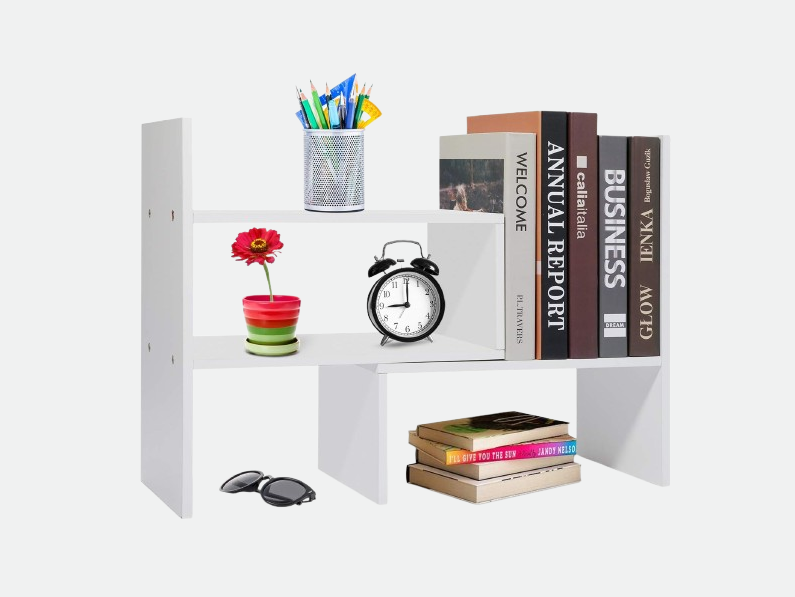
A cluttered desk rarely happens all at once. Instead, it builds gradually, one misplaced item at a time, until the workspace feels overwhelming. The good news is that reclaiming a tidy desk does not require a full day of reorganizing. In fact, five targeted fixes can address the most common desk organization problems quickly and effectively.
Because a desk is a relatively small space, each of these solutions takes only a few minutes to implement. Together, they can transform a chaotic surface into a clean and functional workspace.
Stay connected to every major update — subscribe and follow us on the PhoenixQ website and across our social media platforms.
Tame the Cable Clutter First
Most desks hide at least one tangled knot of cords connected to a crowded power bar. Even an otherwise clear desk can feel messy because of this cable chaos. Fortunately, a cable management box solves the problem almost instantly.
The process is straightforward. Place the power bar inside the box, route the cords through the slots at the back, and close the lid. The entire setup takes under ten minutes. However, it is important to measure the power bar first to ensure the box fits properly.
This single fix immediately makes the desk feel more organized and polished.
Elevate Collectibles and Clear the Surface
Many people keep meaningful items on their desks, such as books, framed photos, and career mementos. While these items carry personal value, they consume valuable working space. A desktop shelf offers a practical solution.
By lifting these items onto a raised shelf, the main desk surface becomes free for actual work. Before purchasing a shelf, measure the desk depth and the clearance height above it. Options range from tall open shelving units with ample storage to low-profile wooden bookshelves suited for tighter spaces. Some adjustable models span between one and two feet wide, offering flexible placement.
In addition to freeing up space, a dedicated shelf also gives collectibles a more intentional and attractive display.
Create a System for Active Paperwork
Paper management is one of the most overlooked desk organization challenges. Most people have a filing system for documents they need to store long-term. However, they rarely have a dedicated spot for papers they are actively using that week.
As a result, current documents pile up beside the keyboard or scatter across the desk. A small upright paper sorter with three slots solves this immediately. One slot can hold papers needed today, another for items due this week, and a third for documents waiting on a response from someone else. This simple system keeps active paperwork visible and accessible without creating clutter.
Get Headphones Off the Desk
Headphones are surprisingly large items. Whether used for calls, editing, recording, or gaming, they take up a significant portion of the desk surface when left sitting out. A clamp-on under-desk hook removes them from the surface entirely.
The hook attaches to the edge of the desk without adhesive or drilling. It is also fully removable and repositionable at any time. Many of these hooks come in two-packs, so the second hook can hold a bag or a gaming controller on the opposite side of the desk. This single change frees up a surprisingly large amount of usable space.
Organize the Deep Desk Drawer
Standard office desks often include at least one deep drawer originally designed for hanging file folders. In practice, most people no longer use it for that purpose. Instead, the drawer becomes a disorganized storage pit filled with supplies, cables, snacks, and miscellaneous items.
Fabric drawer organizers, typically designed for bedroom dressers, work extremely well in these deep office drawers. They offer good depth and come in mixed sizes, allowing a customized grid layout based on what the drawer actually holds. A set of six organizers, for example, might include two each of small, medium, and large sizes. Before buying, measure the inside of the drawer carefully and calculate how many packs are needed to fill it edge to edge.
Together, these five fixes address the most common sources of desk clutter. None of them require major effort or expense. Moreover, each one creates a lasting improvement by giving every item on the desk a proper, designated home.