English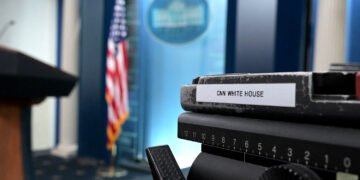
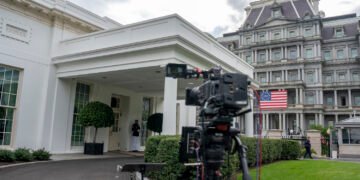









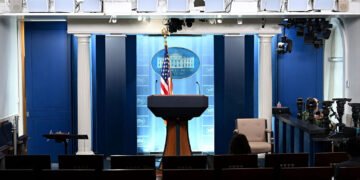




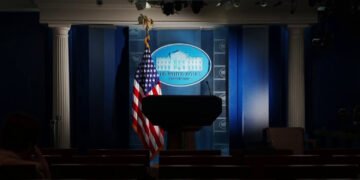

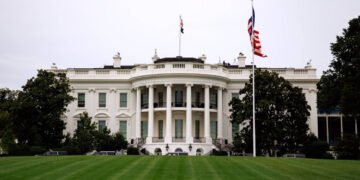






















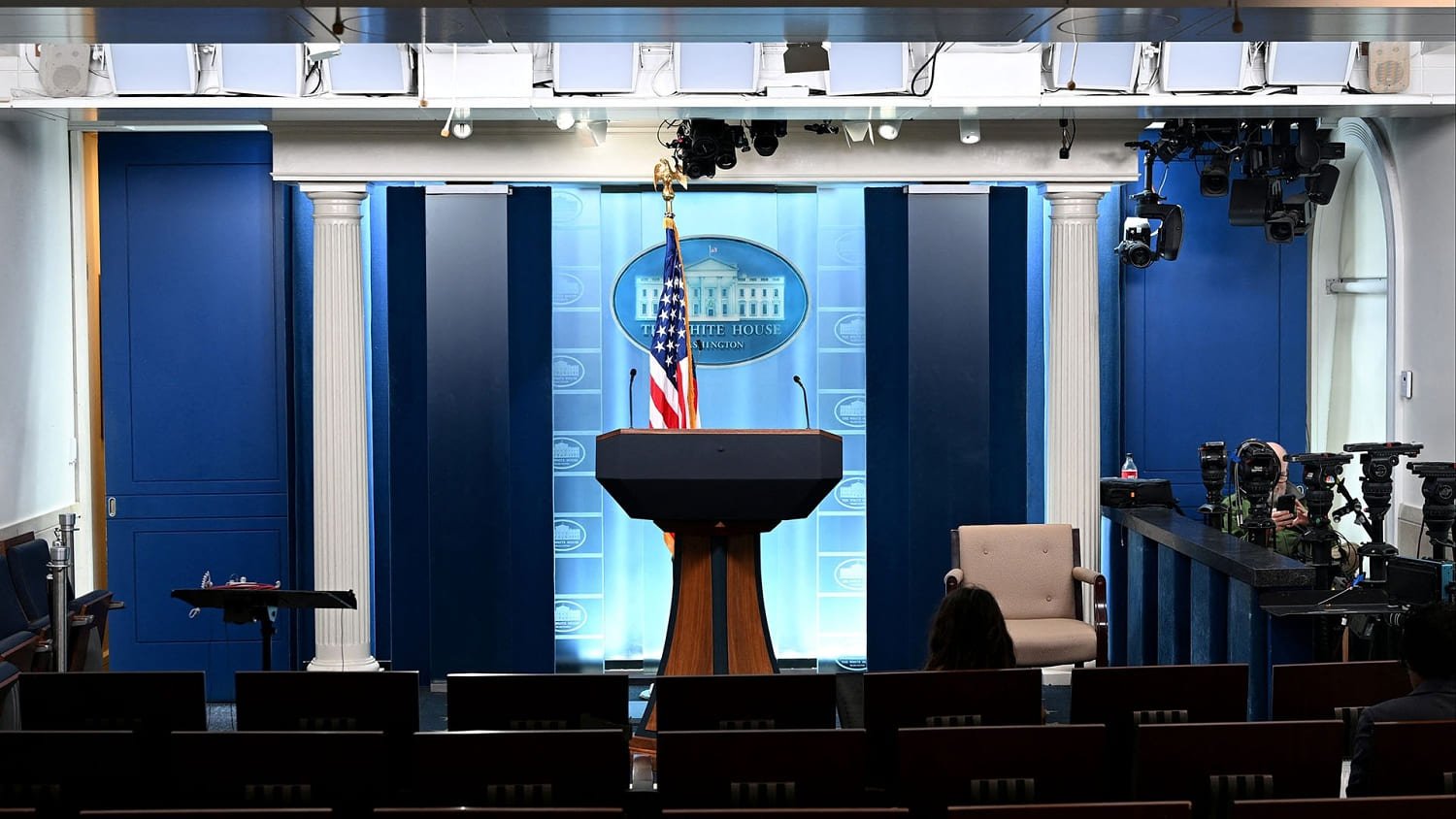
The Justice Department has filed a court response defending the White House’s decision to ban three major news outlets from its grounds, arguing that media access to the White House is a privilege rather than a legal right. The filing puts the administration at odds with CNN, MSNBC, and Politico, all of which sued over the ban.
DOJ Defends White House Media Ban in Court
In its court filing, the Justice Department argued that the president determined CNN, MSNBC, and Politico had failed to meet what it called basic minimum standards of professionalism and decorum. Because of that, the DOJ contends, the outlets do not deserve access to White House grounds. The administration’s position is clear: press access is not a guaranteed right but a conditional privilege.
Stay connected to every major update — subscribe and follow us on the PhoenixQ website and across our social media platforms.
The three news organizations strongly disagree. They argue the ban violates their due process rights and infringes on their First Amendment protections. For them, restricting press access based on the administration’s view of their coverage raises serious constitutional concerns.
News Outlets Push Back on First Amendment Grounds
CNN, MSNBC, and Politico each have significant audiences and long-standing White House press credentials. Therefore, the ban represents a notable escalation in tensions between the Trump administration and certain media organizations. The outlets say the move is not simply a policy decision. Instead, they argue it is an unconstitutional attempt to punish critical coverage.
The Justice Department’s filing frames the issue differently. It maintains that granting or denying press access falls within the executive branch’s authority. As a result, the administration believes the courts should not intervene in what it sees as an internal access decision.
Legal Battle Raises Broader Press Freedom Questions
The lawsuit puts a spotlight on the boundaries of press freedom in relation to government access. While the First Amendment protects freedom of the press, courts have not always treated physical access to government spaces as an absolute right. However, critics argue that selectively banning outlets based on coverage sets a dangerous precedent.
The case continues to develop, and a court ruling could have lasting implications for how future administrations manage media access. NBC News correspondent Garrett Haake reported on the story for TODAY on September 23, 2026. The outcome of the lawsuit may ultimately define the legal line between executive authority and press freedom at the White House.