English







































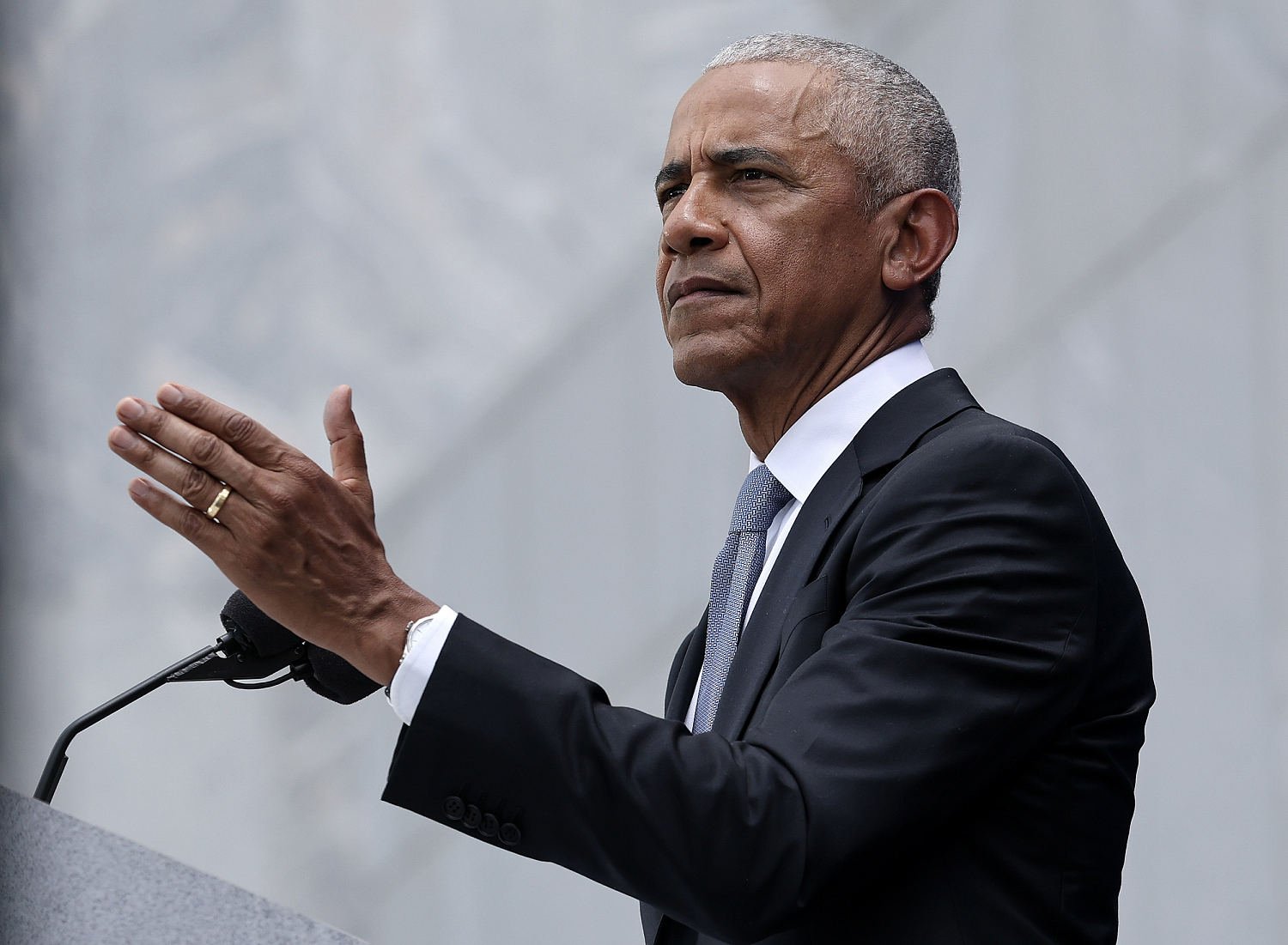
Former President Barack Obama is calling on Democrats to develop a clear and comprehensive policy agenda on artificial intelligence, warning that the technology is advancing rapidly and carries serious risks if left unaddressed. Obama made the remarks Thursday at a Democratic Congressional Campaign Committee fundraiser, where he spoke directly with House Minority Leader Hakeem Jeffries of New York.
Obama told the gathering that if he were running for president in 2028, AI would be one of his central campaign issues. “I would have a very clear plan, and I would talk about this,” he said. He described what that plan would cover, including child safety, economic disruption and job displacement caused by automation.
Stay connected to every major update — subscribe and follow us on the PhoenixQ website and across our social media platforms.
Obama Urges Democrats to Lead on AI
During his conversation with Jeffries, Obama urged the House minority leader to organize a structured public discussion on the issue. He suggested Democrats break the topic into three to five distinct areas and build a broad framework for public debate.
“Once you are speaker, I would strongly urge that the Democrats put together a framework for a very public conversation,” Obama said. He added that laying this foundation early would position the party as a serious voice on one of the defining issues of the coming decade.
Obama described AI as both a potential danger and a potential benefit. He said the key factor is whether government and society can get ahead of the technology before it causes harm. “This is something that is moving very fast in private hands, and if we don’t get on top of it, I think it can be dangerous,” he said. He also acknowledged the technology’s upside, noting it could help accelerate medical breakthroughs and clean energy development. “We don’t want to shut off those opportunities, but we have to understand that this is a tool,” he added.
Industry Warnings and Congressional Pressure
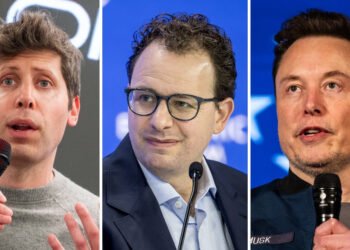
Obama’s remarks came against a backdrop of growing concern within the AI industry itself. Anthropic CEO Dario Amodei published an essay over the weekend arguing that AI development was outpacing safety measures. OpenAI CEO Sam Altman and Elon Musk both publicly agreed with Amodei’s assessment.
Meanwhile, researchers at AI companies have begun speaking out. Anthropic researcher Jacob Coxon announced his departure from the company, citing fears that AI could cause “human extinction” without international cooperation. The wave of warnings from both executives and researchers prompted Democrats to call on House Speaker Mike Johnson to convene an emergency congressional session on AI.
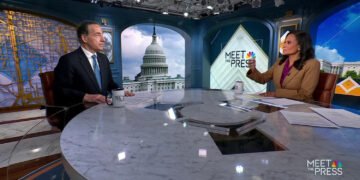
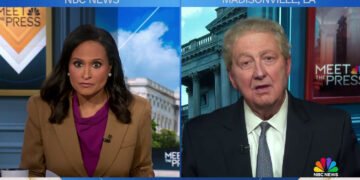
Johnson responded Sunday on NBC News’ “Meet the Press,” acknowledging that regulation matters but cautioning against moving too quickly. He said industry leaders themselves do not yet know how to slow AI’s pace. Johnson proposed summoning technology platform providers to a single large meeting to work through the issues together.
A source familiar with Obama’s thinking said the former president viewed Amodei’s essay and the subsequent agreement from industry figures as an “encouraging development.” Obama himself neither described himself as an “accelerationist” nor a “doomer,” but made clear he believes the AI question demands urgent political attention.
Trump Takes a Different Approach
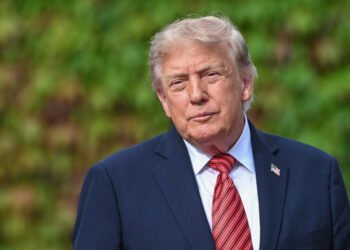
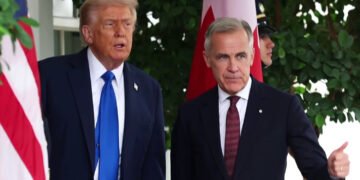
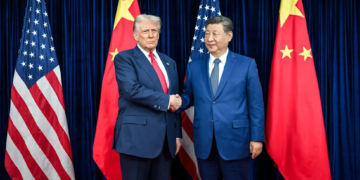
President Donald Trump offered a sharply different perspective on Sunday. Speaking to reporters in Ireland, Trump dismissed safety concerns and framed AI primarily as a geopolitical competition. “Whoever wins AI wins,” Trump said, signaling that his administration’s focus is on ensuring the United States outpaces China in AI development rather than slowing it down.
The contrast between Obama’s call for safety frameworks and Trump’s competitive framing reflects a broader divide over how the country should approach one of the most consequential technologies in modern history. As pressure builds from within the industry and from lawmakers on both sides, the debate over AI policy is moving quickly toward the center of American political life.