English















































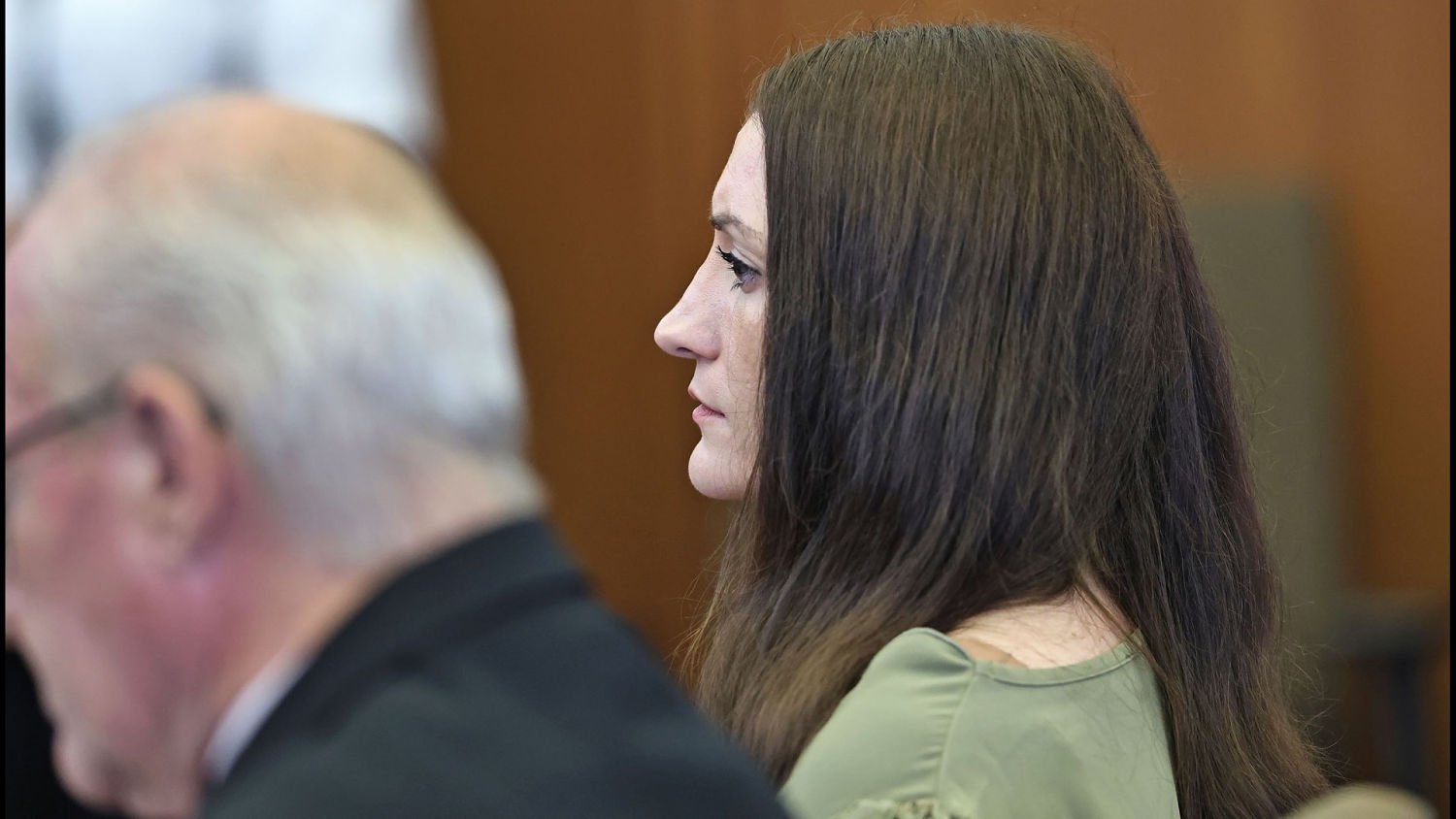
In a Massachusetts courtroom, a judge declared a mistrial in the high-profile Lindsay Clancy murder case on Friday after the jury failed to reach a unanimous verdict for the third time. Judge William Sullivan made the ruling, bringing an abrupt end to a trial that had drawn national attention and leaving open the question of what comes next for the Massachusetts mother.
Jury Deadlock Forces Mistrial Declaration
The jury in the Lindsay Clancy trial was unable to agree on a verdict despite multiple attempts to deliberate. Judge Sullivan had previously sent jurors back to continue their discussions and reminded them that a verdict was “desirable,” but the panel remained divided.
Stay connected to every major update — subscribe and follow us on the PhoenixQ website and across our social media platforms.
Earlier in the proceedings, the defense had requested the removal of one juror following the deadlock. The judge also reviewed the jury’s instructions on “reasonable doubt” before ultimately concluding that a unanimous decision was not achievable.
Prosecution Vows to Continue Pursuing Justice
Following the mistrial declaration, the district attorney’s office confirmed it intends to continue seeking justice in the case. Prosecutors made clear that the legal process is far from over for Clancy.
Legal analysts noted that the jury’s vote breakdown will likely shape how both sides approach a potential retrial. The split among jurors could influence decisions on strategy, witness selection, and how each side frames its arguments in any future proceedings.
What a Retrial Could Look Like
NBC News legal correspondents Laura Jarrett and Misty Marris discussed the timeline and conditions under which Clancy could face a new trial. A retrial is legally permissible following a mistrial caused by a hung jury, meaning prosecutors can choose to bring the case back to court.
The defense, meanwhile, had sought an emergency appeal before the mistrial was formally declared, raising questions about procedural next steps. That appeal added another layer of complexity to an already prolonged and emotionally charged case.
Defense Calls Case a Tragedy
Clancy’s defense attorney publicly praised her client after the mistrial ruling, describing the Lindsay Clancy case as a “sad case” and calling the defendant “brave.” The attorney’s remarks reflected the deeply emotional nature of the proceedings, which centered on the deaths of Clancy’s children.
As of the mistrial declaration on September 4, 2026, no retrial date had been set. Both legal teams face significant decisions in the weeks ahead as they determine how to proceed in one of Massachusetts’ most closely watched criminal cases in recent memory.