English















































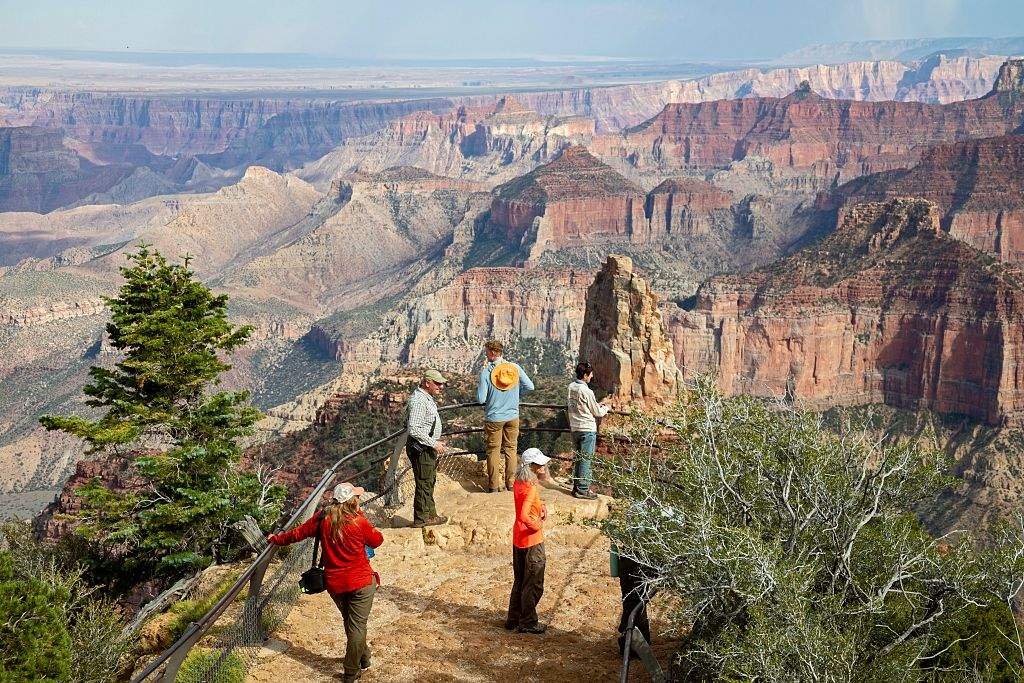
Flash floods tore through Grand Canyon National Park over the weekend, killing one person and leaving at least 15 others missing. The disaster triggered a large-scale search and rescue operation and forced evacuations across multiple riverside campgrounds, according to the National Park Service.
Flooding Kills One, Dozens Evacuated
The National Park Service confirmed Sunday that crews recovered the body of a 46-year-old man along the Colorado River that evening. Officials did not immediately release further details about the victim’s identity or the circumstances of his death.
Stay connected to every major update — subscribe and follow us on the PhoenixQ website and across our social media platforms.
More than 60 people were evacuated from Phantom Ranch and the lower North Kaibab Trail on Sunday. Arizona Governor Katie Hobbs responded to the crisis on social media, writing that her “heart is with the families and loved ones of every person unaccounted for after the flash flooding at the Grand Canyon.”
Hobbs confirmed that the state’s Department of Emergency and Military Affairs was coordinating with the National Park Service and Coconino County Emergency Management to support ongoing search and recovery efforts.
Infrastructure Damage Disrupts Water Supply
The Grand Canyon flash floods caused severe infrastructure damage throughout the park. The floodwaters destroyed the canyon’s only water pipeline, triggering emergency water restrictions for the roughly 1,600 year-round residents of Grand Canyon Village.
The park holds large water storage tanks on the South Rim, but those reserves cannot be refilled while the pipeline remains out of service. Park authorities asked both residents and visitors to conserve water until crews stabilize the system.
The floods also destroyed footbridges that gave hikers access to the bottom of the inner canyon on the north side of the Colorado River. “Grand Canyon National Park staff are continuing to assess damage to trails, bridges, utilities, facilities and other infrastructure,” the National Park Service said in a statement Sunday.
The disaster complicates an already ongoing infrastructure project. A US$208-million rehabilitation of the pipeline and its associated water delivery system began in 2023. The park service described the project as a crucial investment to serve the park’s six million annual visitors and its permanent residents. Crews expected to complete the work next year.
Monsoon Season Raises Continued Flood Risk
Weather forecasters warned that further rain and thunderstorms could bring additional flooding to the popular northwestern Arizona attraction. The National Park Service cautioned Monday that deep monsoon moisture and already saturated soils were elevating the flash flood risk through the day.
Summer visits to the Grand Canyon carry inherent risks during monsoon season. Clear skies can give way to sudden, intense downpours with little warning, making flash floods a recurring seasonal hazard for hikers and campers.
Park officials banned tourists from staying overnight at lodges and hotels inside the park while water shortages persist and flood dangers remain. Day visitors may still enter the park, though some facilities could operate on reduced hours.
A Park Facing Repeated Natural Disasters
The Grand Canyon flash floods mark the latest in a series of natural disasters to strike the park in recent years. Last summer, wildfires destroyed a historic lodge and a visitor center on the North Rim, along with cabins, employee housing and a wastewater treatment plant.
Earlier this summer, several hikers died inside the park during extreme heat events. The repeated incidents have placed growing pressure on park management and infrastructure at one of the United States’ most visited national parks.
The National Park Service said it would continue assessing the full extent of the damage as search and recovery operations remained active.