English















































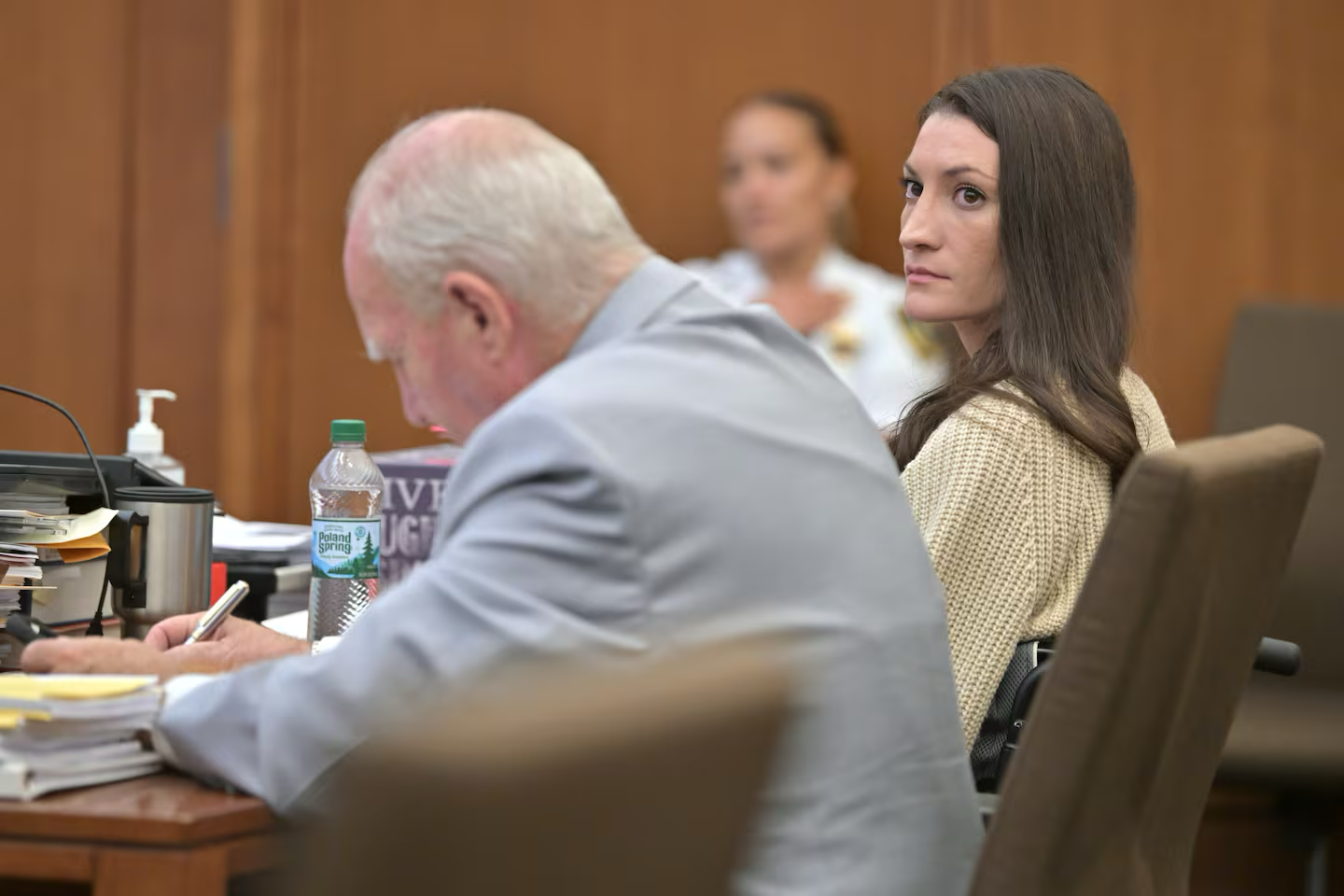
The Lindsay Clancy murder trial is nearing its final stage after nearly a month of testimony. Jurors will hear more evidence Tuesday about her mental state.
Clancy faces murder charges in the January 2023 deaths of her three young children. Prosecutors and defence lawyers sharply disagree over her mental condition.
Psychiatric evidence takes centre stage
Forensic psychologist Kirk Heilbrun testified Monday for prosecutors. He evaluated Clancy’s psychiatric history and examined the defence claim involving postpartum psychosis.
Heilbrun told jurors that Clancy killed her children because she wanted to prevent them from suffering. He also rejected her account of hearing a voice.
Clancy has said a hallucinated voice instructed her to kill the children. Heilbrun told jurors he did not believe that explanation.
Her lawyer, Kevin Reddington, will question Heilbrun when proceedings resume Tuesday. Prosecutors could then present at least one additional expert witness.
The court could move to closing arguments as early as Wednesday. However, prosecutors must first complete their remaining testimony.
“Stay connected to every major update — subscribe and follow us on the PhoenixQ website and across our social media platforms.”
Defence points to postpartum psychosis
Earlier testimony focused heavily on postpartum psychosis, a rare psychiatric condition following childbirth.
Medical experts called by the defence said Clancy lost touch with reality. They argued that the condition prevented her from understanding her actions.
Clancy had sought mental health treatment from several providers before the killings. She also admitted herself to a psychiatric hospital.
Her defence has therefore centered its case on her psychiatric condition and its effect on her judgment.
The Lindsay Clancy murder trial now turns on how jurors interpret conflicting expert assessments. Their decision could determine whether Clancy bears criminal responsibility.
Prosecutors allege a planned attack
Prosecutors have presented a very different account of the events. They say Clancy planned the killings before strangling her children.
They also argue that she deliberately created an opportunity to act alone. Prosecutors say she sent her husband to collect medicine and dinner.
Clancy then strangled her three children inside their Massachusetts home. The children were Callan, Dawson and Cora Clancy.
Their ages ranged from eight months to five years.
After killing the children, Clancy jumped from a second-floor window. The fall left her paralyzed from the waist down.
Trial enters its final phase
Clancy, 36, has pleaded not guilty to the murder charges. The trial has largely focused on whether she understood reality during the killings.
The competing arguments now place her psychiatric history at the heart of the case. Prosecutors emphasize planning, while the defence emphasizes severe mental illness.
The remaining testimony could therefore prove crucial for both sides. After expert evidence ends, lawyers will present their closing arguments.
Jurors will then consider whether Clancy understood her actions and could legally be held responsible.