English











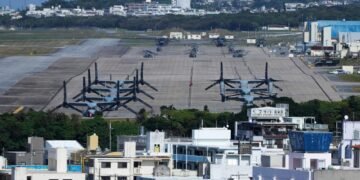































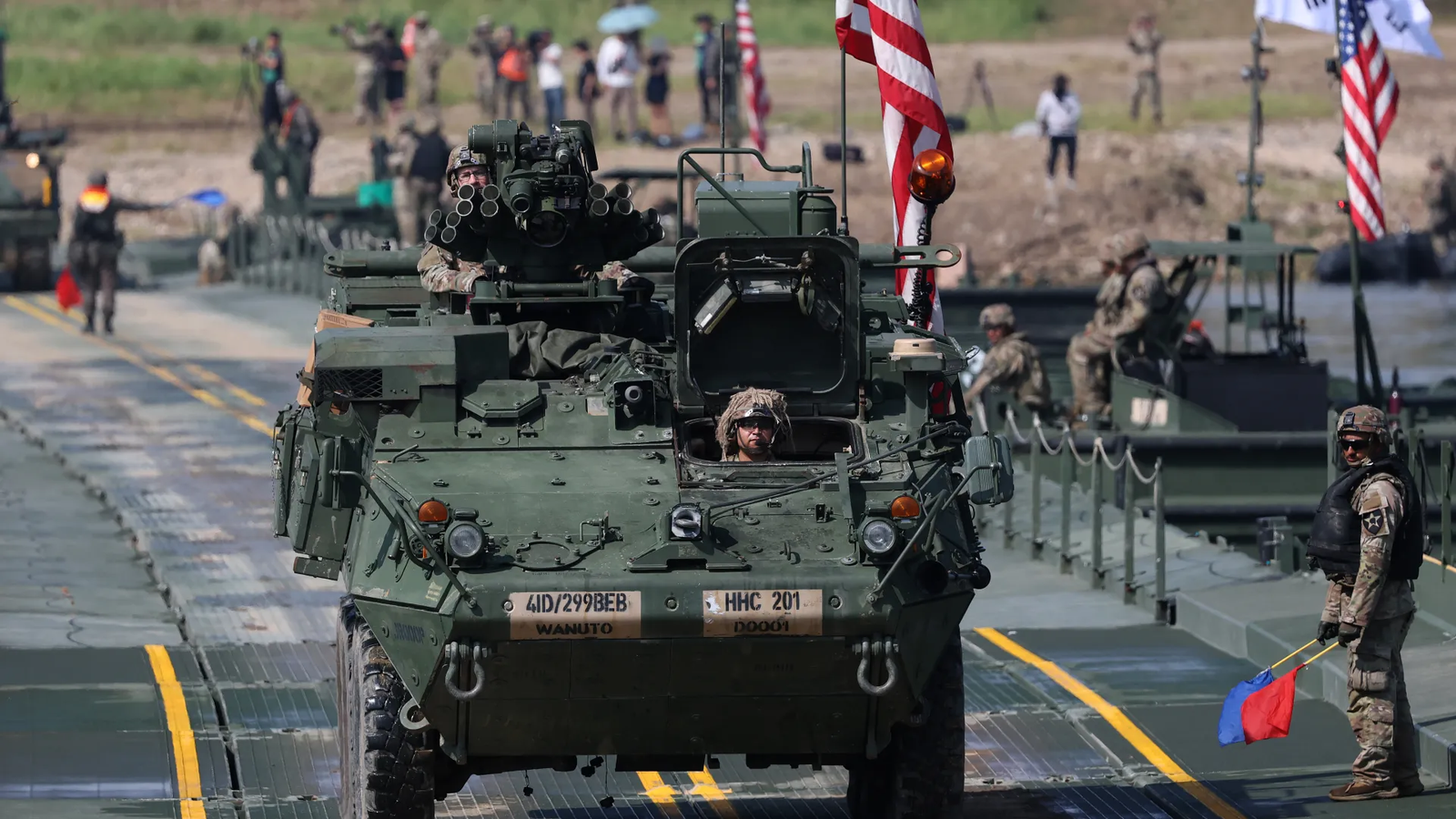
South Korea on Monday welcomed the possibility of renewed US-North Korea diplomacy. The move followed President Donald Trump’s order to reduce joint military exercises. Trump reduces Korea drills as he seeks to revive ties with North Korean leader Kim Jong Un. However, Seoul also faces concerns about military readiness against Pyongyang’s nuclear threat.
Trump orders major reduction in joint exercises
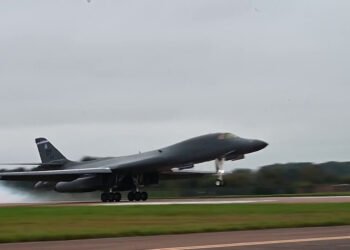
Trump instructed Defense Secretary Pete Hegseth to “substantially reduce” the annual exercises with South Korea. He called the drills expensive and inappropriate toward North Korea.
The 11-day Ulchi Freedom Shield exercises began Monday as planned. However, officials have not disclosed which parts of the training will shrink.
Trump said his decision reflects his relationship with Kim. He also described North Korea as respectful during his current presidency.
The decision surprised many South Koreans. National security remains a major concern because North Korea continues expanding its nuclear and missile programs.
“Stay connected to every major update — subscribe and follow us on the PhoenixQ website and across our social media platforms.”
Seoul hopes Trump and Kim return to talks
South Korea’s presidential office welcomed Trump’s outreach toward Kim. Officials said Trump’s relationship with the North Korean leader could create meaningful diplomatic opportunities.
Seoul also promised diplomatic efforts to encourage dialogue. President Lee Jae Myung has pursued closer engagement with North Korea since taking office.
His government previously removed frontline loudspeakers that broadcast music and news toward North Korea. Lee also recently proposed talks about formally ending the Korean War.
The Korean War ended with an armistice in 1953. The two Koreas never signed a formal peace treaty.
Experts warn about weakening military readiness
Security experts have raised concerns about the impact of reduced military exercises. They argue that regular training remains essential for joint planning and deterrence.
Leif-Eric Easley, a professor at Ewha University, warned about several potential consequences. He said smaller exercises could damage coordination between the allies.
Easley also warned that reduced training could slow South Korea’s efforts to strengthen its own defenses. He added that weaker exercises could undermine deterrence across Asia.
Duyeon Kim, a senior analyst at the Center for a New American Security, offered a similar warning. She said reduced drills could gradually weaken readiness against another North Korean attack.
North Korea sees the drills as a threat
Pyongyang has long condemned US-South Korean military exercises. North Korean officials describe the drills as preparations for an invasion.
North Korea’s Foreign Ministry criticized this year’s exercises on Friday. It also threatened to respond with a stronger deterrent.
Earlier this month, North Korea launched two ballistic missiles into the sea. Analysts viewed the launches as a likely protest against the exercises.
However, North Korea has also used the drills for domestic political messaging. Analysts say Pyongyang portrays the United States as an enemy.
That narrative helps North Korean authorities justify the country’s growing nuclear arsenal.
Kim now holds a stronger negotiating position
North Korea has avoided serious talks with Washington and Seoul since nuclear diplomacy collapsed in 2019. Meanwhile, Kim has strengthened military cooperation with Russia and expanded ties with China.
North Korea has also gained battlefield experience through its support for Russia’s war against Ukraine. That cooperation has helped Pyongyang develop additional military capabilities.
In September 2025, Kim suggested he could reconsider talks with Trump. However, he demanded that Washington abandon its push for North Korean denuclearization.
Experts believe Kim now wants major concessions before returning to negotiations. Those demands could include sanctions relief and greater acceptance of North Korea’s nuclear status.
Trump has suspended the drills before
Trump previously suspended major US-South Korean exercises after his first meeting with Kim in 2018. He then described the exercises as provocative and expensive.
His latest decision therefore follows an established pattern. However, circumstances have changed significantly since the first Trump-Kim summit.
North Korea now possesses a larger nuclear arsenal and stronger military partnerships. Russia has also become an important strategic partner for Pyongyang.
Kim Dong-yub, a professor at the University of North Korean Studies, said North Korea feels less pressure today.
He believes Pyongyang may acknowledge Trump’s latest message without immediately returning to negotiations. North Korea will likely wait for concrete evidence of a US policy shift.
Hormuz adds another layer to the alliance debate
South Korea also faces another security challenge involving the Strait of Hormuz. Seoul and Washington are discussing possible military and practical contributions to navigation security.
The issue adds complexity to South Korea’s security calculations. Seoul must balance its alliance with Washington against concerns about wider regional conflicts.
At the same time, the government faces domestic criticism. The conservative People Power Party accused Lee of overlooking public security concerns.
The opposition argues that diplomacy should not come at the expense of military preparedness.
A risky balance between diplomacy and deterrence
Trump reduces Korea drills while seeking another opening with Kim Jong Un. The strategy could create space for diplomacy if Pyongyang responds positively.
However, reduced military training could also create vulnerabilities. The allies must maintain operational readiness while exploring diplomatic opportunities.
For Seoul, the challenge involves finding the right balance. South Korea wants peace with North Korea without weakening its ability to deter aggression.
For Washington, the calculation appears more complicated. Trump must convince Kim that diplomacy offers benefits without making South Korea question the strength of the alliance.
The next moves from Washington and Pyongyang will determine whether the latest shift opens a diplomatic door. They will also reveal whether reduced exercises become a lasting policy change.