English
































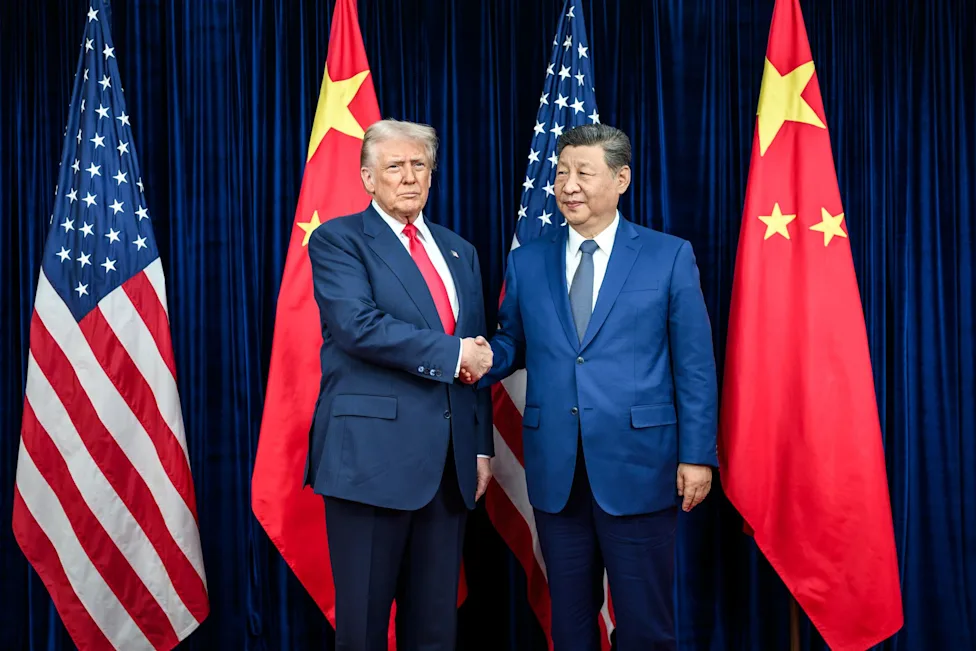
China US Trade Countermeasures entered a new phase after Beijing announced its broadest trade response against Washington since last year’s truce. The package arrived only weeks before President Xi Jinping’s expected visit to the United States. As a result, analysts view the move as a clear signal that China stands ready to intensify its technology and trade rivalry if tensions continue. At the same time, Chinese officials stressed that dialogue remains possible despite the latest actions.
Beijing Expands Sanctions and Export Controls
China’s Ministry of Commerce introduced several new restrictions on Wednesday. First, it banned Chinese companies from conducting business with seven American firms and organizations. In addition, authorities tightened export controls on drones and related technologies destined for the United States.
Furthermore, Beijing suspended cooperation with American organizations responsible for product inspections and factory certification. Those inspections play an important role in approving goods exported to China. Officials described the package as one of the most comprehensive trade responses since both countries stabilized relations during their summit in May.
Revised Trade Law Powers New Investigation
China also launched its first national security investigation under its revised Foreign Trade Law. Meanwhile, regulators increased scrutiny of drone-related exports and advanced technologies. A day later, cybersecurity authorities opened a separate security review involving products sold in China by American cybersecurity company Palo Alto Networks.
Analysts highlighted both the speed and coordination of Beijing’s response. Within days, Chinese agencies released five official statements. Consequently, experts believe China now relies more heavily on legal and regulatory tools to answer foreign trade restrictions.
Measures Follow New US Restrictions
The latest Chinese actions followed several recent restrictions introduced by Washington. Late last month, the US Federal Communications Commission prohibited imports of newly manufactured Chinese robots and power inverters over national security concerns. Shortly afterward, the Department of Homeland Security added 43 Chinese companies to its forced labor entity list, marking its largest expansion to date.
According to China’s Commerce Ministry, six newly sanctioned American-linked entities had connections to the forced labor restrictions. Additionally, another organization had links to the US robotics import ban. Beijing argued that these measures justified its latest response.
Trade Tensions Rise Before Xi’s Washington Trip
Chinese officials described the new package as a measured response rather than an escalation. However, the Commerce Ministry urged Washington to resume consultations and resolve disputes through dialogue. Officials also warned that China would introduce further countermeasures if the United States announced additional restrictions.
Looking ahead, President Xi Jinping’s expected visit to Washington could shape the next phase of bilateral relations. Both governments continue to test each other’s negotiating positions. Nevertheless, neither side has closed the door to diplomacy. Many observers believe both capitals still seek to stabilize economic ties before the anticipated summit, even as strategic competition continues to deepen.