English









































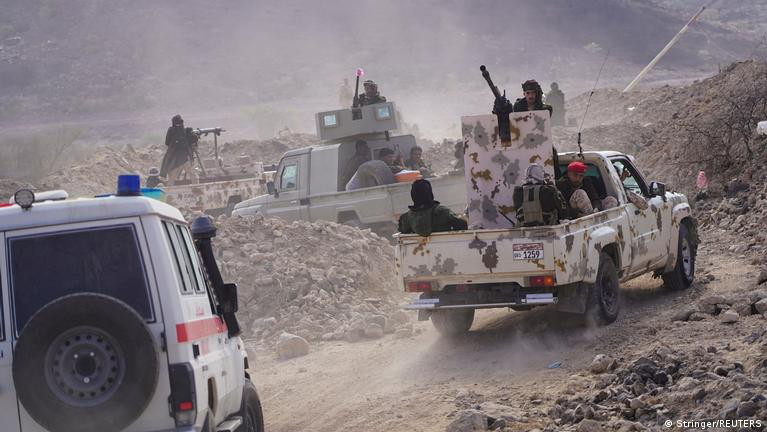
UAE withdraws Yemen forces following a sudden ultimatum from regional allies. This decision follows a series of dramatic military escalations. Saudi Arabia recently launched airstrikes against weapons shipments in Mukalla. These strikes targeted military equipment intended for UAE-backed separatist groups. This confrontation marks a historic low in Saudi-Emirati relations. Both nations are neighbors on the Arabian Peninsula. They have competed for regional influence for years. Now, their internal rivalry threatens the broader war effort. This move signals a massive shift in Middle Eastern geopolitics.
The Strike on Mukalla
Saudi Arabia bombed the port city of Mukalla on Tuesday morning. The Saudi Press Agency reported the arrival of suspicious ships. These vessels allegedly carried heavy weapons from Fujairah. Crew members disabled tracking devices during the voyage. They unloaded combat vehicles for the Southern Transitional Council (STC). Saudi officials viewed these actions as “extremely dangerous.” They labeled the shipment an imminent threat to regional peace. Consequently, the Coalition Air Force conducted a limited strike. They destroyed the offloaded military equipment immediately. Saudi Arabia warned that it would not tolerate such escalations. “For more related stories, visit PhoenixQ Today News.”
Rifts in the Coalition
Anti-Houthi forces issued a 24-hour ultimatum to the UAE. They demanded the total withdrawal of all remaining Emirati troops. The UAE Defense Ministry eventually agreed to this demand. They cited concerns for the safety of counter-terrorism operations. However, the Emirati Foreign Ministry denied shipping any illegal weapons. They claimed the vehicles were for their own personnel. They also insisted Riyadh knew about the shipment beforehand. Despite these claims, the UAE withdraws Yemen forces to avoid further bloodshed. This move highlights a deep rift in the anti-Houthi coalition. Allies are now turning their sights on each other.
Separatists Gain Ground
Tensions centered on the Southern Transitional Council’s recent gains. The council seized the Hadramout governorate in recent days. They pushed out Saudi-backed forces from several key areas. STC supporters frequently fly the flag of former South Yemen. They want to establish a separate South Arabian state. Saudi Arabia previously warned the separatists to halt their advance. Tuesday’s airstrikes signaled a significant shift in Saudi policy. The Saudi Foreign Ministry directly linked the STC’s actions to Emirati support. This public accusation strained diplomatic ties even further. Experts expect a calibrated escalation from both sides.
Humanitarian Stakes Rise
United Nations officials expressed deep concern over the port attack. Jens Laerke urged all parties to protect civilian infrastructure. Any disruption to Mukalla affects vital humanitarian supply chains. Yemen already faces one of the world’s worst disasters. Meanwhile, Houthi rebels continue attacks in the Red Sea corridor. They disrupt global shipping because of the Gaza war. The internal clash between Saudi Arabia and the UAE complicates efforts. The U.S. had previously praised their joint peace initiatives. Now, the two allies seem to be at a breaking point. The future of Yemen remains more uncertain than ever.