English









































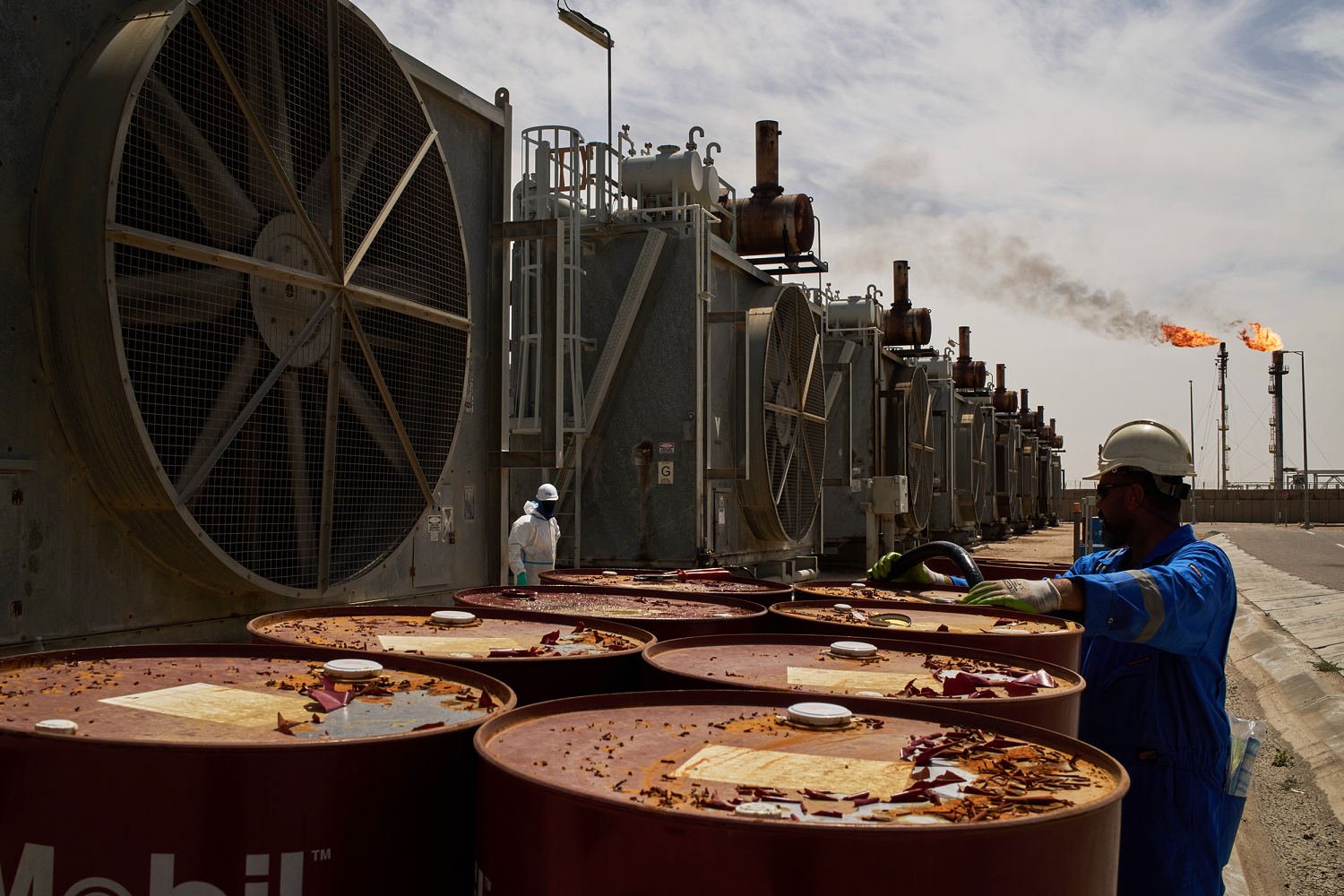
Oil prices surged past $100 a barrel on Wednesday for the first time in months, driven by a sharp escalation in the ongoing U.S.-Iran conflict and fresh attacks on energy infrastructure across the Middle East. The milestone rattled global energy markets and pushed fuel costs higher for American consumers.
Military Clashes Fuel the Price Spike
The price jump followed a significant military exchange on Tuesday. The U.S. military destroyed five Iranian tankers after Iran attempted missile strikes on a Navy warship. Tehran then struck back, targeting U.S. ships and a base in Jordan.
Stay connected to every major update — subscribe and follow us on the PhoenixQ website and across our social media platforms.
The international benchmark, Brent crude, crossed the $100 mark just after 3 a.m. ET on Wednesday. It continued to swing above and below that level through the early morning hours. The U.S. benchmark, West Texas Intermediate, also climbed sharply, reaching around $95 a barrel.
Meanwhile, Iran-backed Houthi rebels in Yemen launched attacks on Saudi energy facilities this week. Those strikes set oil sites ablaze and threatened a significant expansion of the conflict. The attacks added further pressure to an already strained global oil supply.
Strait of Hormuz Remains a Key Chokepoint
The U.S. and Israel launched their war against Iran in February. Since then, oil exports from the Middle East have fallen sharply. Before the war, roughly one-fifth of the world’s oil supply passed through the Strait of Hormuz. Iran has throttled that critical waterway in response to the conflict.
The U.S. military has managed to restore some shipping traffic through Hormuz. However, other major trade routes also face disruption. Houthi rebels have repeatedly attacked tankers in the Red Sea, adding to the pressure on global supply chains.
Although Brent crude is now about 40 percent above pre-war levels, it remains below the $120 peak recorded in the early days of the conflict. Still, the current prices are high enough to cause serious concern in Washington.
Political Pressure Mounts Ahead of Midterms
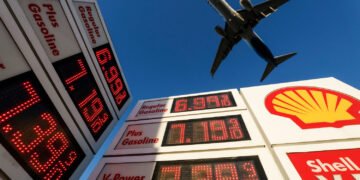
Rising oil prices carry significant political weight for the White House and Republicans ahead of the Midterm elections. Gas prices climbed to $4.22 per gallon on Wednesday, the highest level since early June. Higher fuel costs are hitting consumers directly and adding to broader economic anxiety.
President Donald Trump addressed the issue on social media on Monday. He claimed that oil prices would “drop precipitously, like everything else is dropping,” once the U.S. wins the war with Iran. He also suggested prices could fall as low as two dollars a gallon.
However, there was little evidence to support that outlook. The conflict shows no clear signs of resolution. Trump has shifted strategy toward squeezing the Iranian economy through a U.S. maritime blockade. Despite that approach, violent flare-ups have continued in recent days, keeping energy markets on edge.