English
















































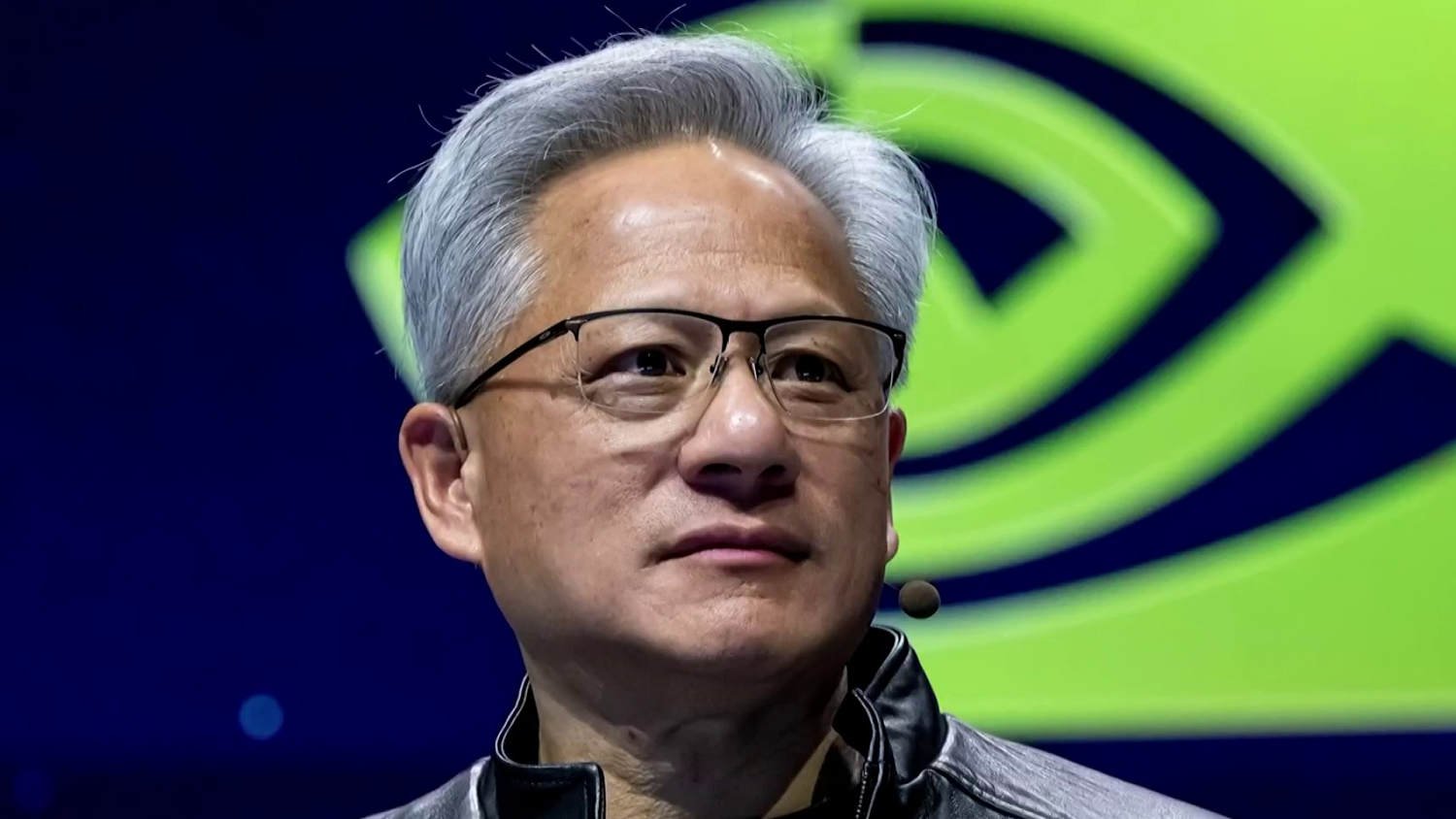
Jensen Huang resigned as CEO of Nvidia on November 12, 2026, following reports of an extramarital affair with a suspected Chinese spy. Huang had co-founded Nvidia in 1993 and built it into the most valuable company in the world, largely on the strength of its semiconductor chips powering the global artificial intelligence boom.
A Company Built From the Ground Up
Huang co-founded Nvidia more than three decades ago. Over time, he transformed it from a graphics chip maker into a dominant force in AI hardware. The company’s chips became essential infrastructure for AI development worldwide, driving Nvidia’s rise to the top of global market valuations.
Stay connected to every major update — subscribe and follow us on the PhoenixQ website and across our social media platforms.
His tenure at the company spanned over 30 years. During that period, Nvidia grew into one of the most influential technology companies on the planet. Huang was widely credited as the driving force behind that transformation.
Resignation Follows Affair Reports
Reports emerged alleging that Huang had engaged in an extramarital relationship with a suspected Chinese spy. Additional reports also alleged a separate relationship with an Nvidia executive. The allegations raised serious national security concerns given Nvidia’s central role in advanced AI chip manufacturing.
Following the reports, Huang stepped down from his position as CEO. President Trump commented on the situation, saying that Huang had told him, “I had no idea that she was a spy.” Trump also recommended Apple CEO Tim Cook as a potential successor to lead Nvidia.
National Security Concerns
The affair raised broader questions about the national security implications of a senior technology executive’s relationship with an alleged foreign intelligence operative. Nvidia’s chips sit at the heart of AI development, making the company strategically significant to the United States. As a result, the circumstances surrounding Huang’s departure drew significant attention beyond the corporate world.
Meanwhile, the news landed against a backdrop of growing US-China tensions over data centers and AI technology. Reports noted that China has been accelerating efforts to build its own data center infrastructure as the United States pushes back on Chinese access to advanced chips. Huang’s resignation therefore added another layer of complexity to an already sensitive geopolitical landscape.
What Comes Next for Nvidia
Nvidia now faces a leadership transition at a critical moment. The company remains central to the global AI industry, and investors and industry observers are watching closely. Stock markets showed signs of turbulence following the news, reflecting broader anxiety about AI-related uncertainty.
No official successor has been named. Trump’s suggestion of Tim Cook has drawn attention, though no formal announcement followed. For now, Nvidia must navigate one of the most consequential leadership changes in its history, at a time when demand for its AI chips continues to shape the future of technology globally.