English






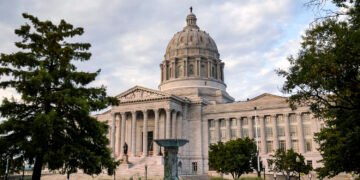





























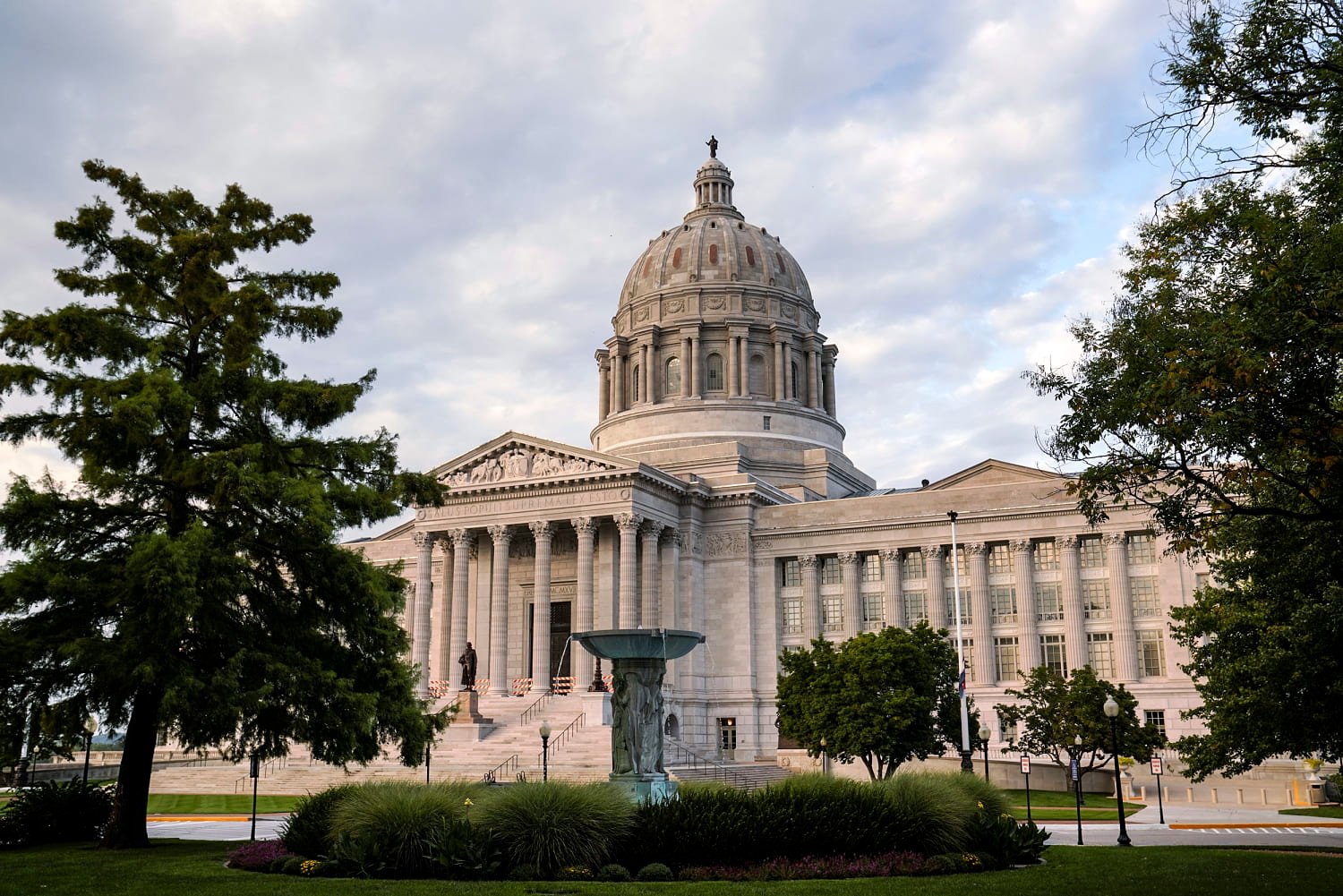
A federal appeals court has reignited a contentious legal battle over Missouri’s congressional district map, ordering that a newly drawn 2025 map must be used in the November 2026 general election. The ruling from the St. Louis-based 8th U.S. Circuit Court of Appeals came on Monday, despite the U.S. Supreme Court having already twice blocked Republican efforts to implement the new map in recent weeks.
The appeals court issued an unsigned ruling stating that using the 2022 map would violate the Constitution. “Only use of the 2025 map complies with the Constitution and federal law,” the panel declared. However, the court placed its own ruling on hold for one week. That pause gives challengers time to seek emergency intervention from the Supreme Court once again.
Stay connected to every major update — subscribe and follow us on the PhoenixQ website and across our social media platforms.
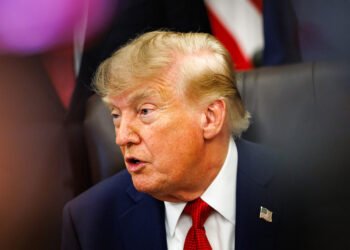
The three-judge panel consisted entirely of Republican-appointed judges, including two selected by President Donald Trump. Legal experts note the ruling faces long odds of taking effect, given the Supreme Court’s earlier actions on the matter.
Background to the Dispute
Missouri’s legislature drew the new congressional map last year. The goal was to eliminate one of the state’s two Democratic-held House seats and create a 7-1 Republican majority. Democratic Representative Emanuel Cleaver was among those targeted by the redrawing effort.
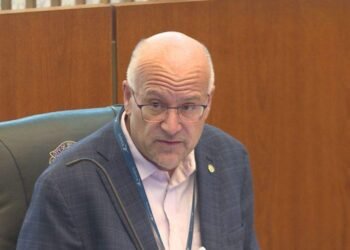
Opponents of the new map gathered enough signatures to trigger a voter referendum on the issue. Missouri Secretary of State Denny Hoskins, a Republican, delayed his decision on whether to place the measure on the ballot. He ultimately rejected the plan, arguing that redistricting decisions fall outside the scope of voter approval.
The Missouri Supreme Court previously ruled that the 2025 map must be paused under state law while the referendum process proceeds. Hoskins initially refused to comply with that ruling. As a result, the Missouri Supreme Court held him in contempt. He later directed election officials to use the older 2022 map, which gives Republicans six seats and Democrats two.
Federal Courts Divided on the Issue
Monday’s appeals court decision upheld an earlier ruling by U.S. District Judge Stephen Clark, a Missouri-based federal judge. Clark had ordered that the new 2025 map must be used, directly contradicting the Missouri Supreme Court’s position.
The U.S. Supreme Court stepped in on September 10, placing Clark’s ruling on hold. That decision appeared to settle the matter in favor of the 2022 map. Monday’s appeals court ruling, therefore, surprised many observers by reviving the dispute.
Richard von Glahn, executive director of People Not Politicians, the group challenging the new map, sharply criticized the latest development. “Ballots have been printed, and Missourians have already voted,” he said. “Thousands more will vote before this order seeks to take effect. Officials should stop wasting taxpayers’ money on pointless legal action and instead focus on administering our elections.”
What Happens Next
Because the appeals court stayed its own ruling for seven days, challengers now have a narrow window to return to the Supreme Court. Given the Supreme Court’s two prior rejections of the Republican position, further intervention from the nation’s highest court remains a strong possibility.
Meanwhile, Missouri voters are already casting ballots under the existing 2022 map. The ongoing legal uncertainty has drawn criticism from election administrators and advocacy groups alike. The outcome will determine whether Missouri’s congressional delegation remains split six to two between Republicans and Democrats, or shifts to a seven-to-one Republican advantage.