English


















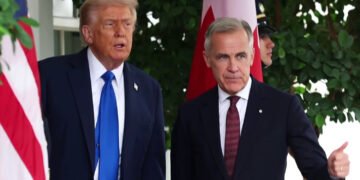

















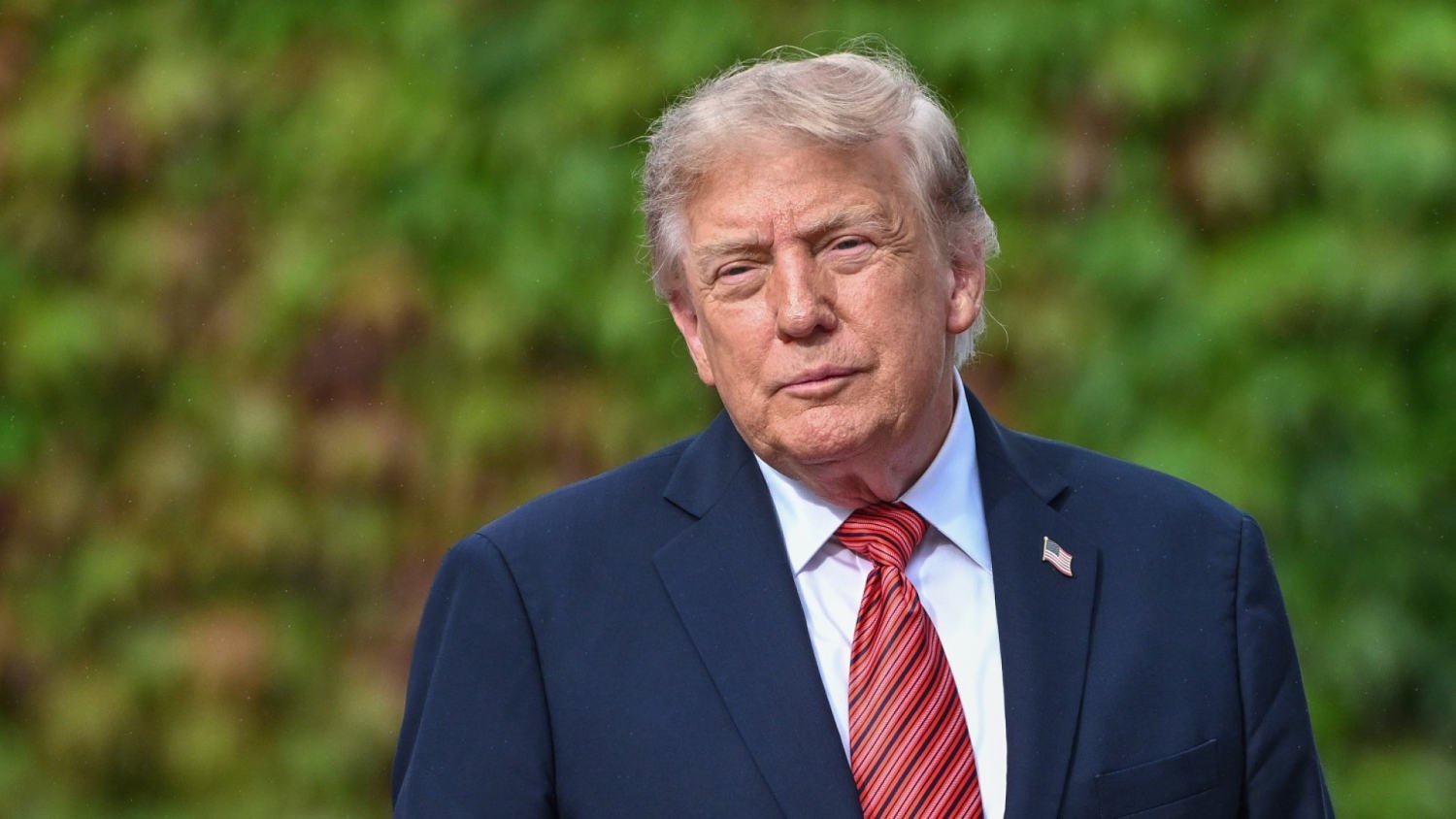
President Donald Trump dismissed the need for formal regulatory guardrails on artificial intelligence in a social media post, arguing instead that having a president with a “high IQ” is sufficient to oversee the rapidly growing technology. The statement drew attention from lawmakers and journalists who believe stronger institutional oversight is necessary.
Trump Rejects Formal AI Oversight
Trump made the remarks on September 14, 2026. Rather than calling for legislation or regulatory frameworks, he suggested that executive leadership alone could manage the risks posed by artificial intelligence. His comments stand in sharp contrast to growing calls from both political parties for Congress to take action.
Stay connected to every major update — subscribe and follow us on the PhoenixQ website and across our social media platforms.
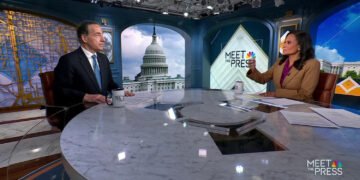
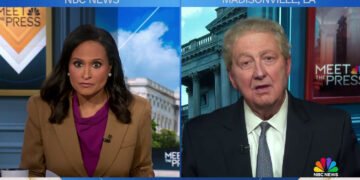
NBC News reporters Gabe Gutierrez and Jonathan Allen covered the story. They highlighted the widening gap between Trump’s position and the views of lawmakers who want formal rules in place. Critics argue that relying on any single leader’s judgment is not a reliable long-term strategy for managing a technology this complex.
Lawmakers and Experts Push Back
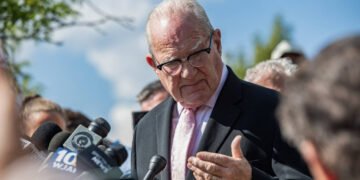
Former Transportation Secretary Pete Buttigieg called the situation “deeply dangerous.” He argued that Congress must not “sit on its hands” while AI continues to develop at speed. Buttigieg also stated that inaction from legislators creates serious risks for the public.
Speaker Mike Johnson has taken a somewhat different position. He called for AI “guardrails” but declined to set any timetable before the midterm elections. Meanwhile, an AI whistleblower separately urged “global coordination” to reduce the risks that advanced AI systems pose to society.
The debate reflects a broader tension in Washington over who should lead on AI policy. Some argue that Congress has historically struggled to regulate technology effectively. Others insist that leaving oversight entirely to the executive branch is insufficient and potentially dangerous. As AI becomes more embedded in daily life, the pressure on lawmakers to act is likely to grow regardless of the White House’s position.
A Growing Political Debate
Trump’s dismissal of AI safety guardrails comes at a time when artificial intelligence regulation is becoming a central political issue. Governments around the world are debating how to balance innovation with public safety. In the United States, however, no major federal AI legislation has passed to date.
For now, the White House and Congress remain far apart on how to handle one of the most consequential technological developments of the modern era. Whether Trump’s stance will shift as the midterms approach remains to be seen.