English













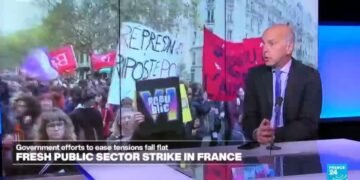












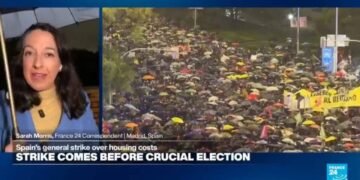
















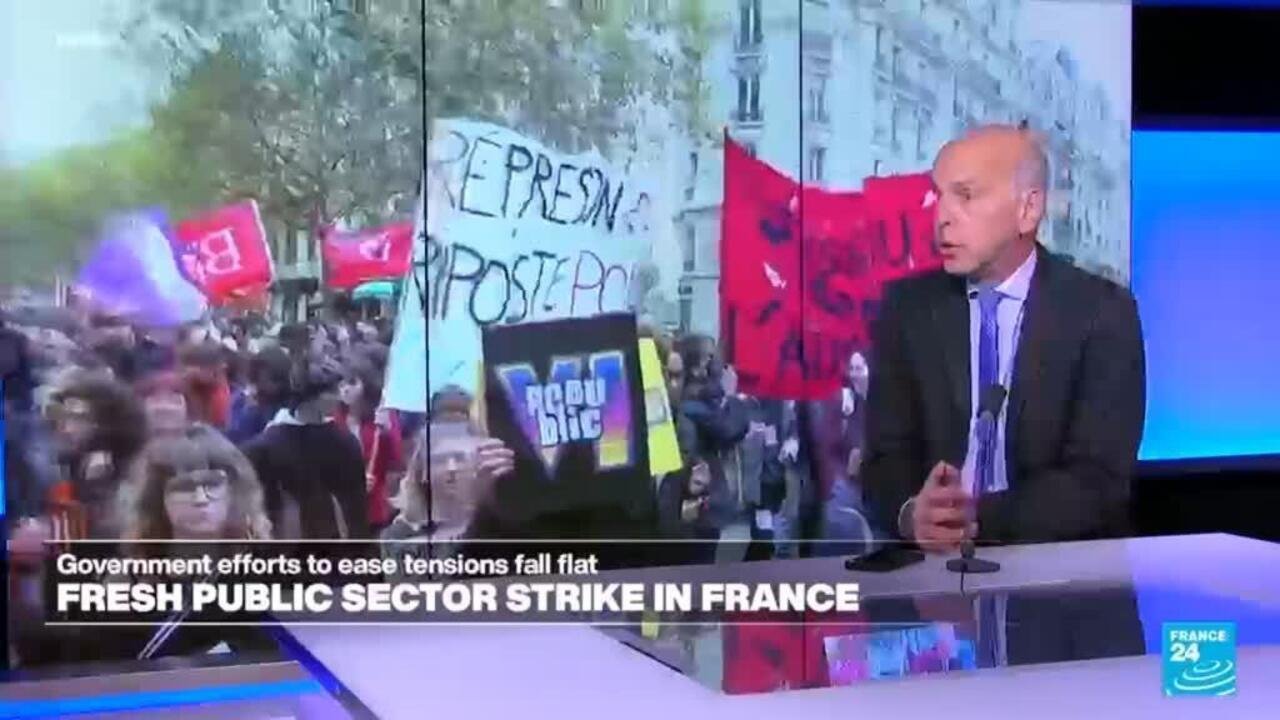
Tens of thousands of workers took to the streets across France on Tuesday as unions launched a nationwide public sector strike. Workers demanded significant pay rises, adding fresh pressure to a government already struggling to contain weeks of social unrest.
Strike Follows Weeks of Unrest
The industrial action came after more than a month of protests, many of them violent, led primarily by students. The government had so far failed to bring the demonstrations under control. The public sector strike marked a significant escalation, with organized labor now joining the wave of discontent.
Stay connected to every major update — subscribe and follow us on the PhoenixQ website and across our social media platforms.
Unions coordinated the walkout to push for higher wages for public sector employees. The call drew a strong response, with large crowds gathering in cities and towns throughout the country. France 24 correspondent Marc Perelman reported on the developments as they unfolded.
Government Under Pressure
French authorities faced mounting challenges on two fronts. On one side, student-led protests had continued for weeks without a clear resolution. On the other, organized unions now added their voice through formal strike action.
The combination of student unrest and public sector strikes put the government in a difficult position. Officials had struggled to respond effectively to the earlier demonstrations. The new strike wave suggested that broader frustration was spreading beyond student groups.
Pay demands remained at the center of the unions’ message. Workers argued that wages in the public sector had not kept pace with rising costs. The strike reflected a wider sense among many workers that the government needed to act.
Widespread Participation Across France
The protests spread across multiple regions, drawing participants from various public sector professions. The scale of the turnout underlined the depth of feeling among workers. Unions presented the strike as a necessary step after earlier calls for action went unanswered.
France has a long history of large-scale labor action. However, the timing of this strike, coming alongside prolonged student protests, gave it added significance. Together, the movements painted a picture of widespread public frustration with the government’s response to social and economic concerns.
As the strike unfolded, attention turned to how the government would respond. Officials faced pressure to open meaningful dialogue with union leaders. Meanwhile, the student protests showed little sign of fading, leaving authorities with a complex and growing crisis to manage.