English







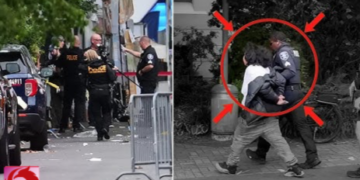
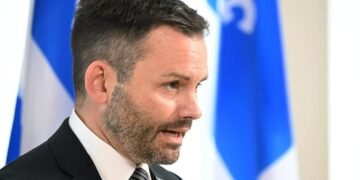
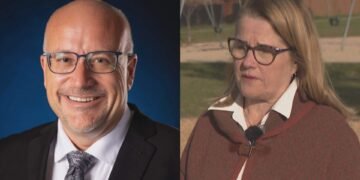







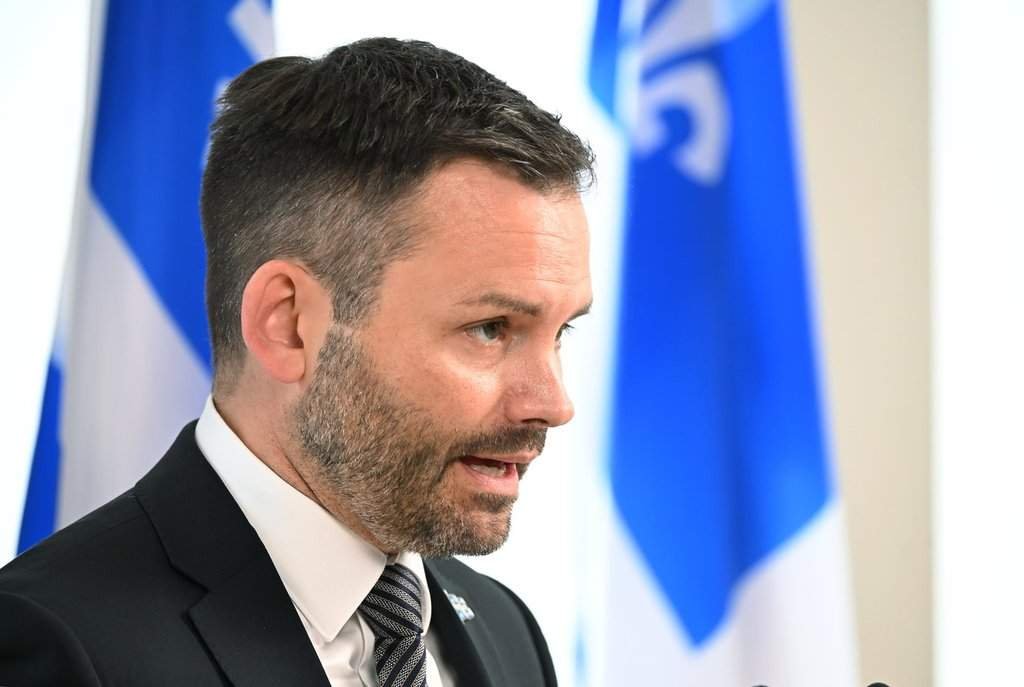
Quebec Premier Paul St-Pierre Plamondon’s decision to boycott the Canada-European Union summit in Montreal has sparked sharp criticism from political opponents and foreign affairs analysts. The two-day summit opened Thursday without the premier, as a dispute over Quebec’s role at the gathering continued to overshadow the event.
Premier Refuses “Spectator” Role
St-Pierre Plamondon said he would not attend unless Quebec received an official opportunity to speak and negotiate on the province’s behalf. He argued that attending without that right would reduce him to a mere “spectator.” Instead, he sent Quebec’s chief diplomat, Pascal Paradis, to represent the province.
Stay connected to every major update — subscribe and follow us on the PhoenixQ website and across our social media platforms.
In a written statement, St-Pierre Plamondon was direct. “As premier, I will always refuse to see Quebec reduced to the role of spectator when it comes to representing and protecting the economic and political interests of Quebecers,” he wrote. He also sent a letter to European representatives questioning whether Quebec would apply any new agreements signed at the summit, and accusing the federal government of excluding the province from discussions.
Paradis defended the premier’s position on Thursday. He described Quebec’s request to speak at the summit as both normal and legitimate.
Federal Government Pushes Back
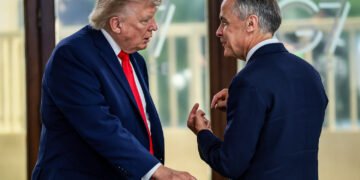
Prime Minister Mark Carney rejected the premier’s claim that Quebec had been excluded. Carney said federal officials had held four meetings with Quebec representatives to discuss the summit beforehand. He expressed hope that their working relationship could continue.
“I’ve found that that’s worked in all the other cases, so I’ll continue to practice that and be available to work with Monsieur St-Pierre Plamondon for the interests of Quebec,” Carney said.
Industry Minister Mélanie Joly also kept the door open for the premier to reconsider. “If he changes his mind and still wants to come, I’ll be happy to welcome him with open arms,” she said. The premier had received an invitation to dine at the head table alongside European Commission President Ursula von der Leyen and European Council President Antonio Costa.
Critics Warn of Lasting Consequences
Former federal foreign affairs adviser Louis Hamann described the situation as embarrassing for all sides. He said the dispute placed European officials in an awkward position. “They show up here, they land in Montreal, and they’re essentially walking into a family fight,” he said.
Hamann also warned that the premier’s letter to European representatives could have long-term consequences. “That letter was pretty spicy,” he said. “These words are not going to be forgotten easily. They’re not going to be forgotten in Ottawa, and they’re not gonna be forgotten in Brussels either.”
Quebec Liberal Party Leader Charles Milliard was equally critical. He argued that sending a letter was no substitute for showing up. “A letter does not replace a presence at the table,” Milliard said. He accused St-Pierre Plamondon of missing a real opportunity to defend Quebec’s interests. “Diplomacy requires building relationships and seizing opportunities to defend our interests. Not sulking because we don’t have a microphone,” he said. “Being absent means being the loser. What a lack of leadership.”
Summit Continues Amid Tensions
Meanwhile, Paradis confirmed he would participate in discussions between the federal government and the European Union on Quebec’s behalf. Von der Leyen delivered opening remarks in English as the summit’s first day of meetings got underway.
Hamann also raised questions about what the dispute signals for the premier’s future relationship with Ottawa. “If he is to react that way in this case, imagine how he’ll react with all the other things that are coming down the pike,” he said. The Canada-EU summit continues Friday.