English
















































Ireland’s parliament has voted to remove a key requirement that previously forced the country to obtain United Nations approval before deploying military peacekeepers abroad. The Dáil, Ireland’s lower house of parliament, passed the legislation on Wednesday by 79 votes to 71. The decision ends part of a long-standing three-step process known as the “triple lock,” which critics say was essential to protecting Ireland’s military neutrality.
How the Triple Lock Worked
Under the existing system, the Irish government needed to clear three separate hurdles before sending more than 12 defence force members overseas. First, the government had to approve the mission. Second, parliament had to give its consent. Third, the United Nations Security Council had to authorize the deployment. The new legislation removes that third requirement entirely.
Stay connected to every major update — subscribe and follow us on the PhoenixQ website and across our social media platforms.
In addition, the bill raises the number of soldiers that can deploy without parliamentary approval from 12 to 50. Ireland’s defence force is relatively small, with just over 8,000 personnel in total. Although Ireland is not a NATO member, its military has a long history of participating in international peacekeeping operations.
Government Defends the Change
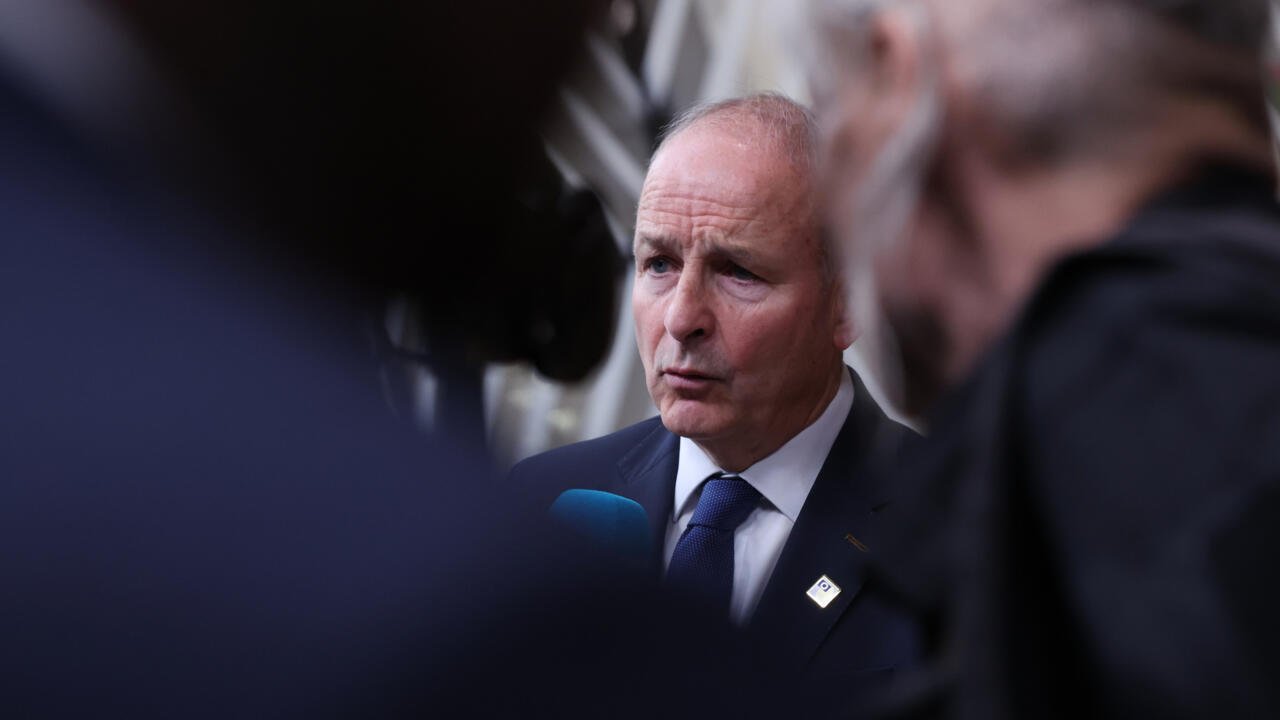
Taoiseach Micheál Martin argued strongly in favour of the reform during Wednesday’s parliamentary debate. He told lawmakers that the UN Security Council is no longer capable of functioning effectively. “The UN Security Council is no longer functional; it’s paralysed,” Martin said.
The government’s core concern centres on the veto power held by the council’s five permanent members — China, France, Russia, Britain and the United States. Officials argue that this veto has, in practice, blocked Ireland from responding quickly to international crises. Martin stressed that the change aims to protect Ireland’s peacekeeping tradition rather than abandon its neutrality. “We’re very good at the peacekeeping, particularly good at it … that’s all we want to continue,” he said.
Opposition Warns of NATO Alignment Risk
However, opposition parties strongly rejected the legislation. Sinn Féin leader Mary Lou McDonald accused the government of dismantling vital safeguards. She warned that removing the triple lock could draw Ireland into closer military ties with NATO and the European Union.
“Scrapping the triple lock opens the door to Ireland being dragged into EU military structures, dangerous alliances and further alignment with NATO,” McDonald said. She also demanded a public referendum on the changes. McDonald warned that moving forward without a popular vote would amount to a “profound betrayal” of the Irish people.
Despite the opposition’s objections, the bill cleared the Dáil with a majority of eight votes. The debate over Ireland’s UN mandate rule and its broader military neutrality is likely to continue as the legislation moves through the remaining stages of the parliamentary process.