English














































Food pantries and food banks across the United States are facing a deepening crisis. Federal funding cuts, tighter food stamp rules and rising fuel costs are pushing community food programs to their limits. For millions of Americans, local volunteers and small organizations have become the last line of defense against hunger.
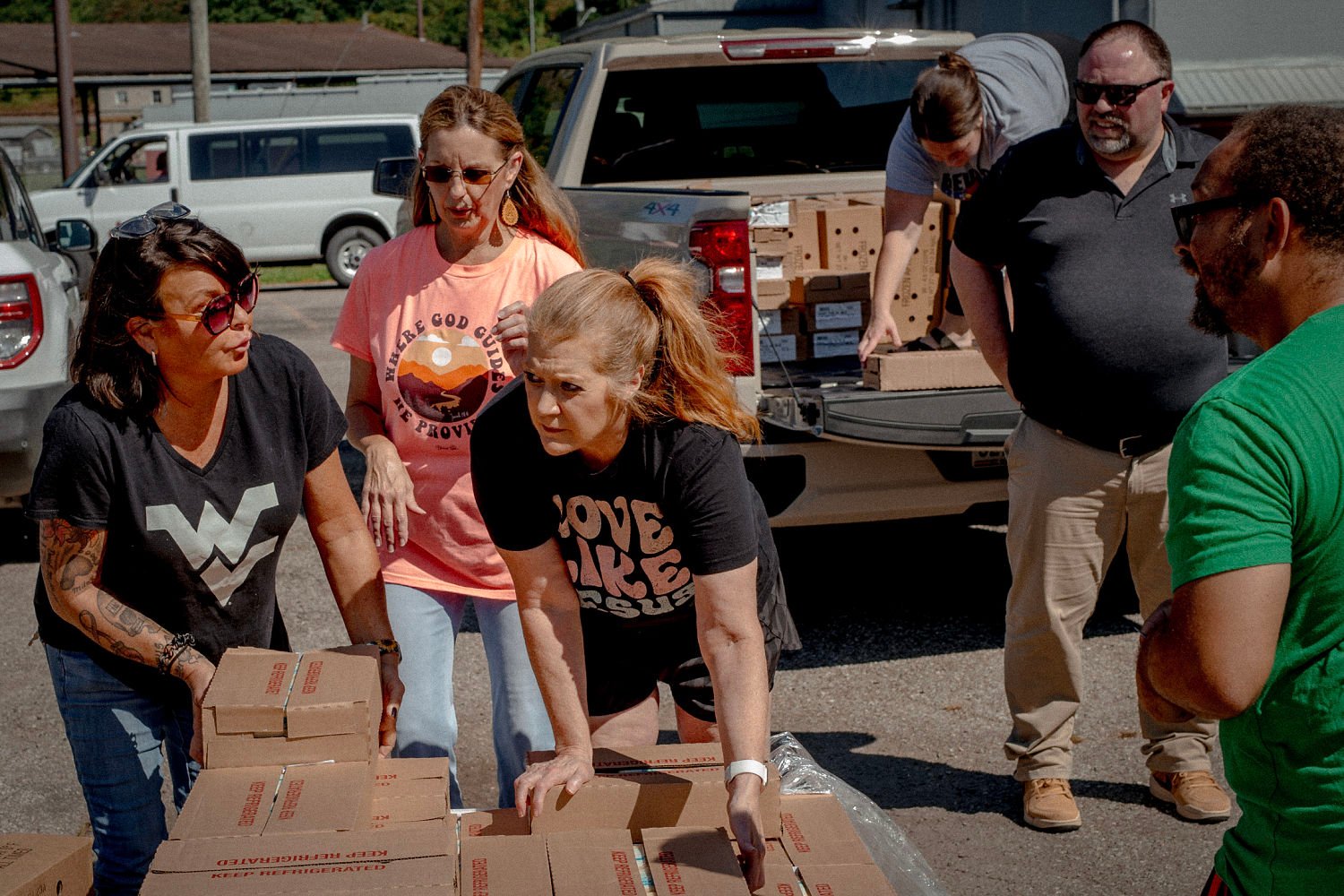
Bill Likens runs a food pantry in Dunlow, West Virginia, through his role as director of community outreach for Cabwaylingo Presbyterian Chapel. He grew up hungry in the same community he now serves. Today, he worries he may not have enough food to meet demand. “There’s a decent chance we could run out,” Likens said. “I don’t want them to sit in that line and not get anything. But I don’t have a lot of extra food these days.”
Stay connected to every major update — subscribe and follow us on the PhoenixQ website and across our social media platforms.
Food Banks Report Sharp Drop in Federal Support
The challenges Likens faces are not unique to Appalachia. An NBC News survey of 48 of the largest food banks across 35 states and Washington, D.C., found that nearly three-quarters reported more people arriving at their doors over the past year. Those visitors include workers stopping in on their lunch breaks and older adults struggling to cover medical expenses.
At the same time, more than 80 percent of surveyed food banks said their food and funding from the U.S. Department of Agriculture had dropped. Higher fuel costs for transporting food have added further pressure to already strained budgets.
In Maine, Good Shepherd Food Bank reported that the USDA cut its food supply from 13 million pounds to 9 million pounds in a single year. In Michigan, Forgotten Harvest has started distributing smaller portions to stretch its supplies further. Instead of two bags of potatoes, families now receive one. Instead of six tubs of yogurt, they receive two.
Trump Administration Policies Drive the Shortfall
The problems began in the early days of President Donald Trump’s second term. Officials cut a $400 million Covid-era program that supplied food banks with produce from local farmers. They also paused an estimated $500 million in other planned USDA food purchases.
Congress has increased funding for a separate, long-standing emergency food assistance program in recent years. However, many food bank leaders say their overall supply remains lower than it was during the Biden administration.
Trump also signed new restrictions on Supplemental Nutrition Assistance Program benefits, commonly known as food stamps. The law now requires nearly all able-bodied adults without young children to work, volunteer or attend school for at least 80 hours per month. Since the law took effect, more than five million people have lost their food benefits, including at least one million children.
Rising gas prices, driven in part by the Iran war, have further squeezed household budgets and increased operating costs for food banks. As a result, many families who previously managed without assistance are now turning to food pantries for the first time.
Experts Warn of Compounding Pressures on Families
Poonam Gupta, a senior research associate at the Urban Institute, said families are absorbing multiple financial shocks at once. “People are facing multiple hits to their budgets,” she said. “It is really difficult to find a way to continue affording a healthy and nutritious and balanced diet when you just have these constant hits.”
The White House defended the administration’s approach. Spokesperson Anna Kelly said Trump is “uplifting every American’s financial situation” through tax cuts and efforts to grow jobs and business investment. Kelly also said the administration is “strengthening SNAP for the Americans who need it by ensuring these programs are sustainable for future generations,” adding that the changes aim to “crack down on waste, fraud and abuse.”
Meanwhile, community volunteers like Likens continue to fill the gap. For many rural families, a small church pantry or local food bank remains their only safety net. Likens says he will keep doing what he can. However, without more support, he fears that some of his neighbors will leave empty-handed.