English















































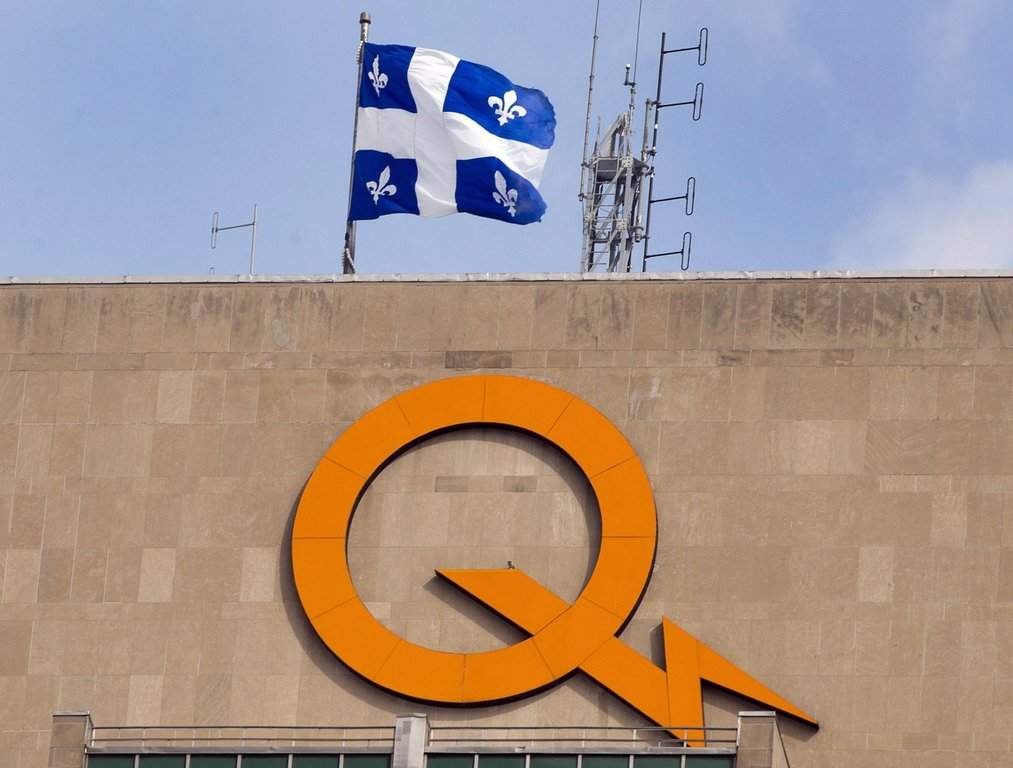
Quebec’s energy regulator is currently reviewing a proposal by Hydro-Québec to significantly raise electricity rates for data centres. Two consultants hired by the utility told a public hearing this week that data centre energy demand in North America could more than double between 2024 and 2030, driven largely by the rapid growth of artificial intelligence.
The consultants, Alexis Renaud-Bezot and a colleague from energy and climate firm Dunsky, delivered their findings at the hearing held by the Régie de l’énergie. Hydro-Québec commissioned Dunsky to compare its proposed rate structure with approaches taken by other North American jurisdictions facing similar surges in data centre energy demand.
Stay connected to every major update — subscribe and follow us on the PhoenixQ website and across our social media platforms.
Explosive Growth in Data Centre Demand
Renaud-Bezot told the hearing that energy consumption from data centres across North America could rise by 133 per cent between 2024 and 2030. He attributed much of this growth directly to AI development. “We are facing growth in our energy demands that is much more significant than what we saw over the past two decades,” he said. “A large part of that growth is tied to data centres.”
He also noted that data centres used to train AI models range widely in size, from 20 megawatts to many thousands of megawatts. Hydro-Québec has stated that data centres subject to the new rate currently consume 190 MW at peak and could reach 1,000 MW by 2035.
What the Proposed Rate Hike Would Mean
Under the proposed changes, data centres of five megawatts or larger would pay an average of 13 cents per kilowatt hour. Currently, those facilities pay an average of 6.82 cents per kilowatt hour. Hydro-Québec says its average cost of energy production sits at around 12 cents per kilowatt hour and is rising.
The utility argues it cannot continue selling power to data centres at a discount while passing the cost difference on to other customers. However, even at the higher proposed rate, Hydro-Québec’s electricity would still be cheaper for data centres than in most neighbouring jurisdictions. Data centres could find lower rates in Ontario, New Brunswick and some parts of the United States.
Renaud-Bezot pointed out that dozens of new energy rate structures targeting data centres have emerged across North America in recent years. He said the primary motivation behind most of them is to protect ordinary consumers from absorbing the cost of industrial-scale energy use. “The primary goal is to minimize or avoid impacting the rates for other consumers,” he said.
Opposition and Social Concerns
Not everyone at the hearing supports the proposal. Lawyers representing industry groups opposed to the rate hike challenged the consultants on the relevance of comparing Quebec’s energy market to others in North America. They noted that Hydro-Québec operates as a monopoly, leaving customers with no alternative supplier.
Marie-Pierre Boudreau, who represents a data centre coalition, made this point directly. “Evidently, in Quebec, we don’t have a choice,” she said, referring to the lack of competing electricity providers.
Meanwhile, Renaud-Bezot also flagged growing public concern about data centres and their broader impact. He cited worries about energy costs, local resource use and environmental effects. “That social opposition, we haven’t seen it as much for now in Quebec, but it’s coming,” he said.
In addition to the data centre proposal, Hydro-Québec is also seeking to raise rates for cryptocurrency mining and trading projects to an average of 19.5 cents per kilowatt hour. The first phase of the hearing is scheduled to conclude on Friday. Representatives from Google and a coalition of environmental groups are among those set to present their positions in December.