English

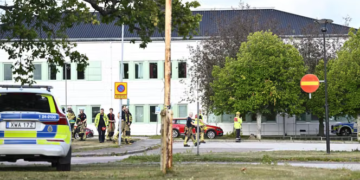

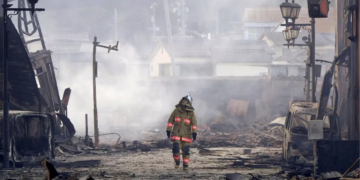














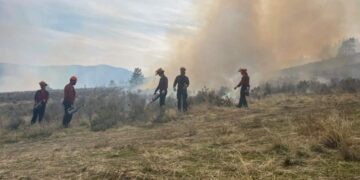














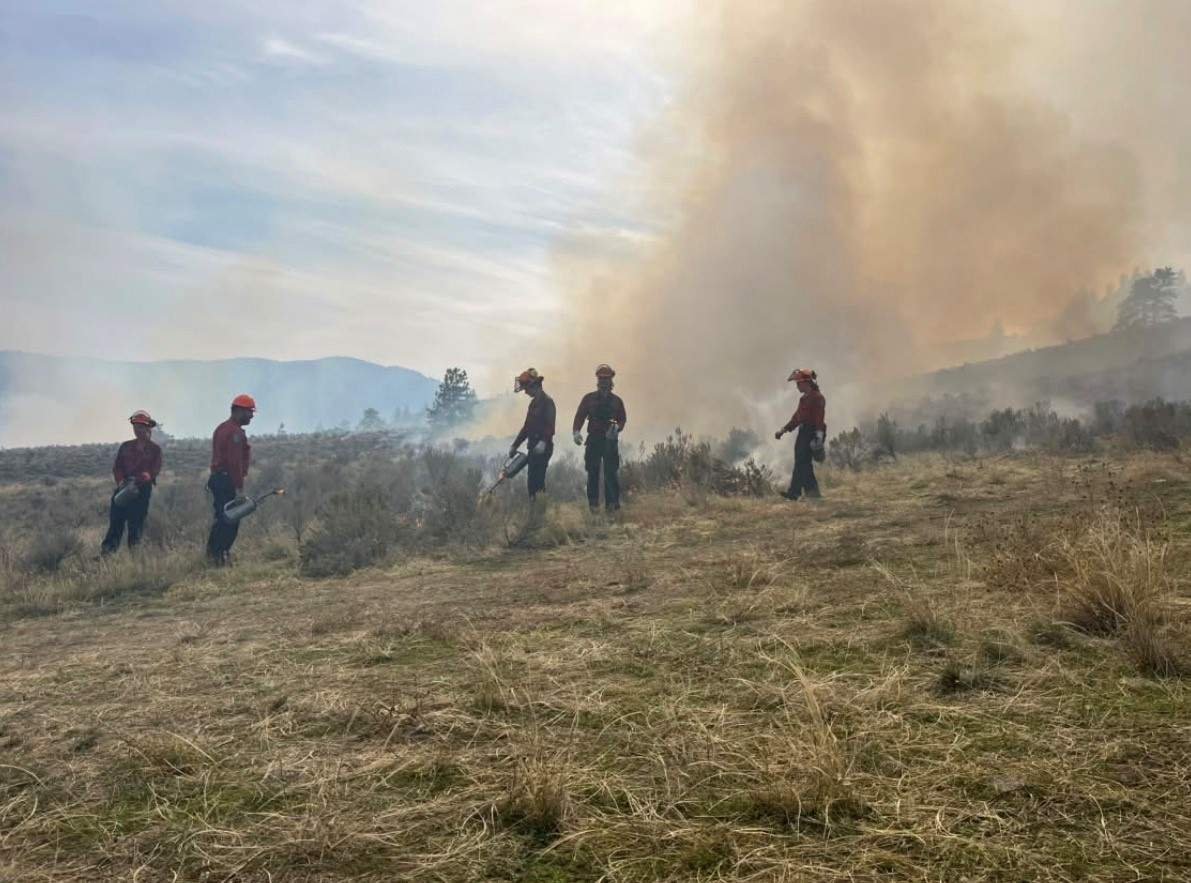
A controlled burn spanning roughly 160 hectares near Osoyoos, British Columbia, is doing more than managing wildfire risk. The Lower Similkameen Indian Band is leading the multi-day burn in the Nighthawk Road area alongside partners including the B.C. Wildfire Service. The project aims to revive Indigenous cultural fire practices that colonial-era laws suppressed for generations.
Bringing Traditional Knowledge Back to the Land
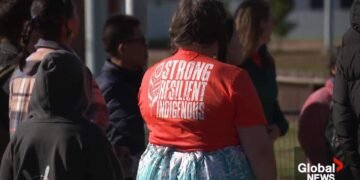
Julia Peterson, a councillor with the Lower Similkameen Indian Band, says the burn carries deep cultural meaning for her community. “It was abolished by previous law, and so we’re really trying to bring those practices back, and combine these together with Western science,” she said. For Peterson, the work goes beyond land management. It is also about ceremony and the relationship between people, land, animals and water.
Stay connected to every major update — subscribe and follow us on the PhoenixQ website and across our social media platforms.
“Ceremony connects us to land, it connects us to the animals, to the water,” Peterson said. “This is bringing this ceremonial practice back into our community.” The burn also targets overgrown vegetation. By clearing excess growth, it encourages native grasses to return and improves wildlife habitat across the grasslands west of Osoyoos.
Local Residents See Clear Benefits
Daryl Gibb owns the Nighthawk RV Park near the burn area. He has watched wildfire threaten the region before and welcomes the work. “At the bottom of the hill there was a lot of sagebrush that choked out the grass,” Gibb said. “Getting rid of that sagebrush will definitely bring the grass back again.”
Gibb also hopes the burn reduces risk to nearby homes and businesses. He recalled a large fire burning in the Cascades across the river several years ago. “About six or eight years ago, there was a big fire burning in the Cascades just across the river from us,” he said. “And then there’s been little local ones close.” For residents in the area, the threat of wildfire is a familiar concern.
Cross-Jurisdictional Cooperation at the Core
The Nighthawk Road burn also highlights the value of collaboration between First Nations and government agencies. Justin Smith, with Lower Similkameen Indian Band Emergency Management, stresses that wildfire does not stop at administrative or political boundaries. “The fire doesn’t recognize the boundary,” Smith said. “The fire doesn’t even recognize the border. It just goes where it wants to go.”
That reality makes cooperation essential. As fire seasons grow more severe across the region, communities are working together to reduce fuel loads and improve overall preparedness. Smith summed it up simply: “Everybody’s in the same boat.”
Meanwhile, Peterson makes clear that this burn is only one step in a much larger effort. “We still have many other areas that need this kind of treatment to bring safety to the communities, both on and off reserve,” she said. The Lower Similkameen Indian Band sees the Nighthawk Road project as a model for future work — one that combines Indigenous cultural knowledge with modern wildfire science to protect people and restore the land.