English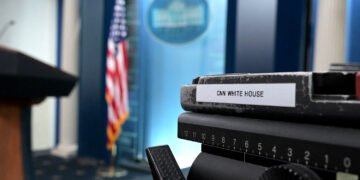
































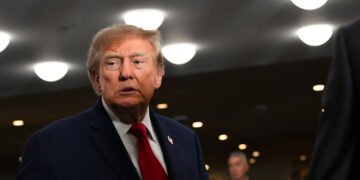


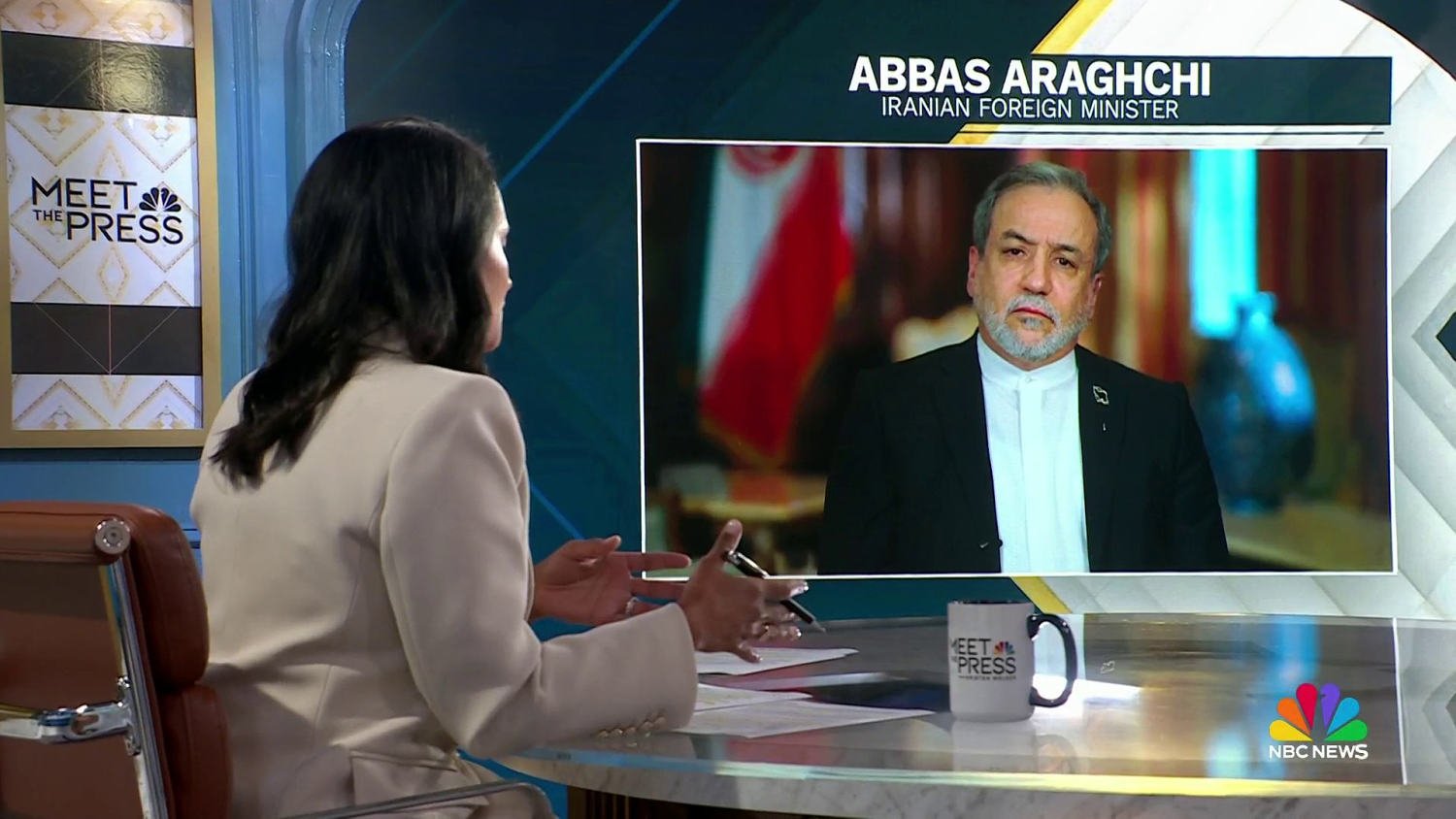
Iran’s Foreign Minister Abbas Araghchi declared on Sunday that Iran stands prepared for war, even if the conflict escalates to what he described as a “doomsday” scenario. Araghchi made the statement during an appearance on NBC’s Meet the Press, saying Iran is ready to “stand firm in the face of any aggression.” His remarks came amid reports that President Donald Trump is considering resuming military strikes against Iran after the midterm elections.
The foreign minister did not soften his position. He made clear that Iran is simultaneously pursuing two paths — diplomacy and military readiness — and that neither option is off the table.
Stay connected to every major update — subscribe and follow us on the PhoenixQ website and across our social media platforms.
Iran Signals Dual Readiness for Talks and Conflict
Araghchi told Meet the Press that Iran remains open to diplomatic engagement. However, he stressed that Tehran will not back down if hostilities resume. His comments signal that Iran intends to project strength while keeping a door open for negotiations.
The foreign minister’s appearance came on September 27, 2026. At that point, tensions between Washington and Tehran had already reached a critical level. Reports of a potential U.S. military resumption added urgency to his message.
Araghchi’s willingness to invoke the word “doomsday” reflects the gravity with which Iranian officials view the current standoff. The language suggests Tehran is preparing its public and its adversaries for the possibility of a prolonged and severe conflict.
Trump Administration Weighs Return to Military Action
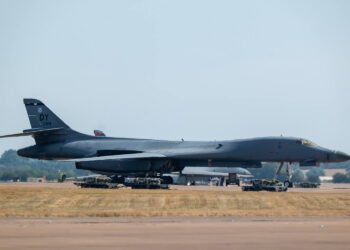
Reports circulating before the interview suggested that President Trump is considering restarting bombing campaigns against Iran after the midterm elections. The White House has not officially confirmed those plans. Nevertheless, the reports appear to have prompted Iran’s foreign minister to respond publicly and directly.
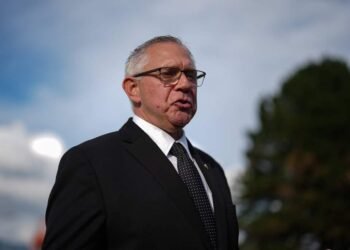
Meanwhile, U.S. Ambassador Mike Waltz described a proposed Iran deal as a “cynical attempt” to end the war. Waltz also confirmed that the United States held conversations with China regarding its dealings related to the Iran conflict. His remarks added another layer of complexity to an already tense diplomatic environment.
International Dimensions of the Iran Crisis
The situation extends beyond a bilateral standoff between Washington and Tehran. China’s role in the conflict has drawn attention from U.S. officials. Ambassador Waltz’s confirmation of U.S.-China discussions on the matter suggests the crisis carries significant geopolitical weight beyond the Middle East.
Iran’s foreign minister, for his part, chose a prominent American media platform to deliver his warning. That choice signals that Tehran wants its message heard clearly in Washington. Araghchi’s appearance on Meet the Press also suggests Iran is actively managing its international image during a period of heightened military risk.
As of late September 2026, no new military action had begun. However, both sides appear to be positioning themselves for what could follow after the U.S. midterm elections. The coming weeks are likely to prove decisive in determining whether diplomacy or conflict defines the next chapter of the U.S.-Iran confrontation.