English
















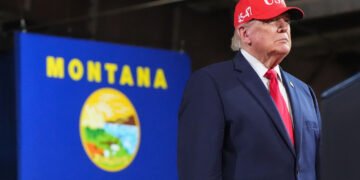


















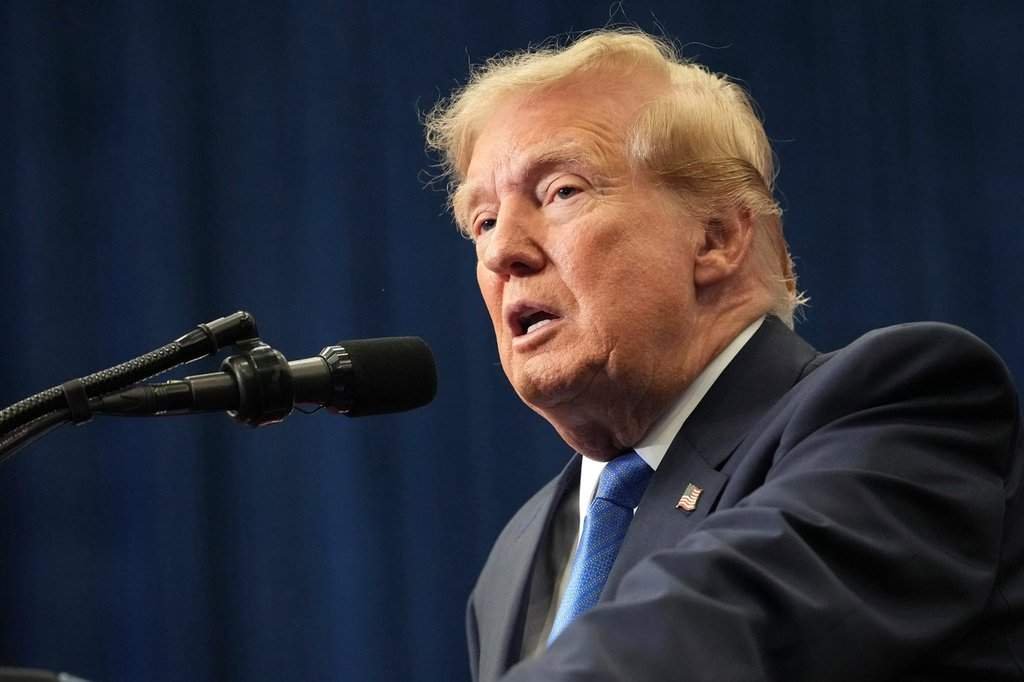
The United States has struck what President Donald Trump is calling the largest oil deal in world history, securing access to tens of billions of barrels of Venezuelan crude oil through a newly formed private company. Trump announced the agreement on Friday via social media, crediting Secretary of State Marco Rubio, Defense Secretary Pete Hegseth, and Venezuela’s acting President Delcy Rodríguez with negotiating the terms.
Rodríguez’s government confirmed the deal in a formal statement, saying it covers the development of 17 oil fields with a proven potential of 65 billion barrels. According to Caracas, the agreement could attract $100 billion in investment into Venezuela’s oil sector and generate more than $209 billion in tax revenue for the Venezuelan government. Rodríguez described the deal on Telegram as something that “will have a significant impact on our nation’s revival.”
Stay connected to every major update — subscribe and follow us on the PhoenixQ website and across our social media platforms.
Structure of the Agreement
Under the terms of the deal, the United States will partner with an unnamed private operator to establish a new company that will control the oil reserves. A U.S. official familiar with the agreement, speaking on condition of anonymity because they were not authorized to comment publicly, said Rodríguez granted the new company 100-year rights to develop the fields.
The United States holds a 55 percent effective output stake in the new company, combining an ownership interest with rights to purchase oil at cost. The official said the company would rank as the second-largest corporate holder of proven oil reserves in the world, behind only Saudi Aramco. Oil purchased through the arrangement would go toward replenishing the U.S. strategic petroleum reserve and supporting military needs.
Venezuela holds an estimated 303 billion barrels of crude oil — roughly 17 percent of the world’s total supply, according to the U.S. Energy Information Administration. Unlike many other regions, Venezuela’s reserves are largely already mapped and identified. Despite this, the country currently produces only about one percent of global oil output, largely due to decades of deteriorating infrastructure.
Pressure on Trump Over Rising Gas Prices
The announcement arrives at a politically sensitive moment for the Trump administration. The U.S.-Israel war against Iran has significantly disrupted Gulf oil flows through the Strait of Hormuz, a passage that previously carried roughly 20 percent of the world’s petroleum supply. The conflict reached its six-month mark on Friday with no resolution in sight.
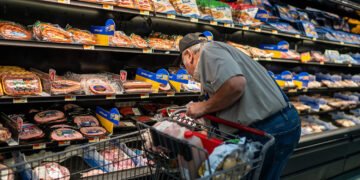
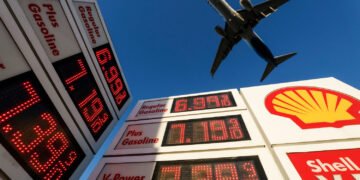
American consumers are feeling the strain at the pump. The national average price of gasoline stood at $4.09 per gallon on Friday, according to AAA — a sharp increase from $3.21 at the same point last year. The U.S. strategic petroleum reserve has also fallen below 300 million barrels in early August, dropping by more than 100 million barrels since the start of 2026.
Experts caution that the Venezuela oil deal will not deliver immediate relief. Rebuilding and expanding the country’s damaged energy infrastructure will take years and require billions of dollars in capital. Any substantial increase in Venezuelan oil production remains a long-term prospect rather than a near-term solution to high gas prices.
Industry Caution and Political Context
Persuading major American oil companies to re-enter Venezuela may prove difficult. The country’s infrastructure has deteriorated badly over decades, and political uncertainty continues to weigh on investor confidence. ExxonMobil CEO Darren Woods, speaking shortly after the removal of former President Nicolás Maduro, described Venezuela as “un-investable.”
Trump gathered oil executives at the White House in the days following Maduro’s ouster, urging them to move quickly back into the country. Executives expressed some interest but also voiced caution based on their previous experiences operating in Venezuela.
The political backdrop to the deal is significant. Nearly nine months ago, the U.S. military conducted an operation at Trump’s direction to capture Maduro and bring him to the United States to face federal narcoterrorism and drug trafficking charges. Maduro remains in U.S. custody and has pleaded not guilty.
Trump has argued that Venezuela effectively stole American assets when former President Hugo Chávez nationalized hundreds of foreign-owned properties decades ago, including holdings belonging to U.S. oil companies. In one of her first major moves after assuming power, Rodríguez signed legislation opening Venezuela’s oil sector to privatization — reversing a foundational principle of the socialist government that has ruled the country for more than 20 years.
Rubio, posting on X, framed the agreement as a victory for both nations. “This deal is a huge win for both the American and Venezuelan people,” he wrote, adding that it would bring billions in private investment to Venezuela and help lower gas prices in the United States.