English

































“By:Arash Parsa-Analyst and Researcher”
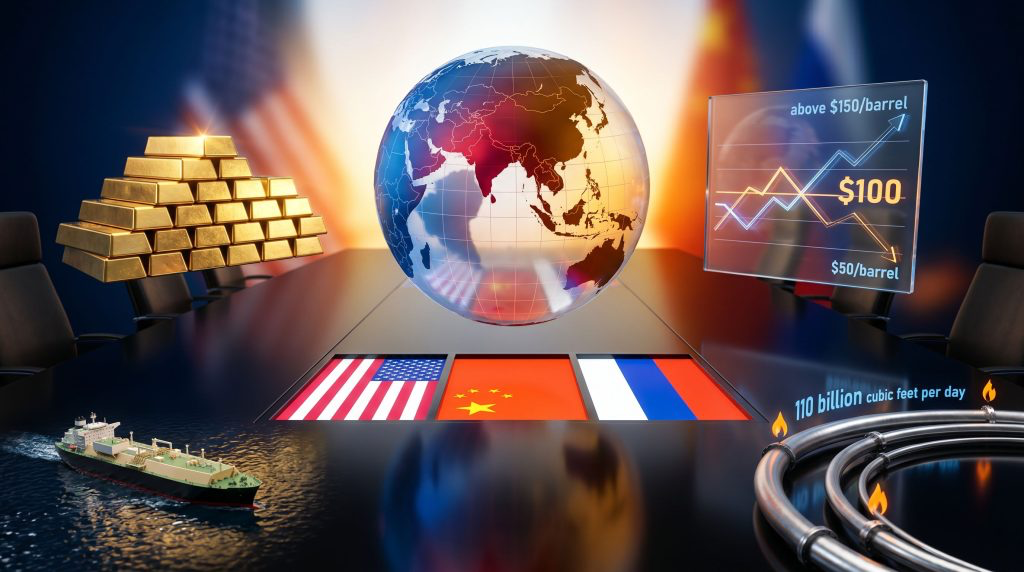
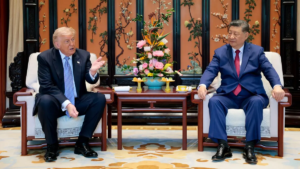
The Trump-Xi meeting in Beijing must be considered one of the most sensitive political events of recent years. This encounter represents the final dialogue between the two superpowers before the world enters a dangerous new phase. Ostensibly, the leaders of the US and China discussed trade tariffs and economic markets. However, behind the scenes, far larger issues such as the future of Taiwan and the fate of the Middle East were on the table. Political observers believe that Beijing showed a tacit green light to Washington during this summit. This signal likely translates to a reduction in China’s practical support for the Islamic Republic. Conversely, Trump demonstrated flexibility regarding the vital issue of Taiwan. Consequently, this hidden deal could fundamentally alter the global balance of power.
Dividing Crises and Economic Consequences
This unspoken agreement serves as a division of crises between the world’s two economic and military giants. China has begun purchasing oil from the US to reduce its dependence on the Persian Gulf. Meanwhile, pressures on the Tehran government are mounting daily, and the nation’s economy remains in a critical state. Iranian society is grappling with rampant inflation and a sharp decline in the national currency. Meeting daily expenses has become a major challenge for many citizens. On the other hand, military structures maintain full control over all major national security decisions. Commanders of the Revolutionary Guards have repeatedly warned that any collapse would set the entire region ablaze.
“Stay connected to every major update — subscribe and follow us on the PhoenixQ website and across our social media platforms.”
Historical Parallels and the Leadership Crisis in Tehran
Current conditions in the country bear shocking similarities to the end of the Iran-Iraq War. At that time, Ruhollah Khomeini compared accepting the ceasefire to “drinking from a poisoned chalice.” Yet, experts argue that the absence of unified leadership today makes the situation far more complex. Deep rifts within centers of power complicate decision-making for ending this major crisis. Meanwhile, Benjamin Netanyahu and Israeli officials have concluded that the conflict must be direct and overt. Tel Aviv, through clandestine trips to the UAE, seeks to forge a powerful regional front against the Islamic Republic. However, the duality of positions among Arab nations indicates that the Arab world has not yet reached a final consensus.
The Middle Eastern Powder Keg and Trump’s Next Steps
The Middle East has now become a powder keg requiring only a small spark. Fears regarding a potential attack on targets within the UAE have cast a heavy shadow of war over the region. In this volatile situation, all international analysts have turned their attention to the next steps of Donald Trump. He faces intense domestic pressure and upcoming US midterm elections. The US President must choose between continuing the path of confrontation or shaping a grander deal—a decision that will determine not only the fate of the Middle East but also the future of the global economy. The Trump-Xi meeting may be the final window for diplomacy before the outbreak of a devastating, large-scale war.