English
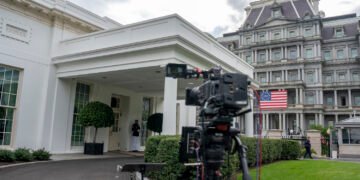






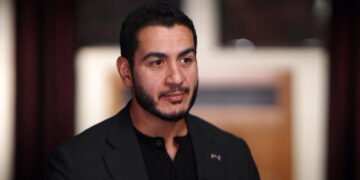

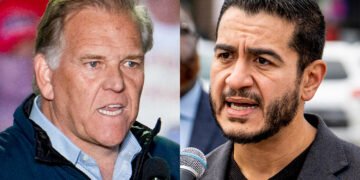









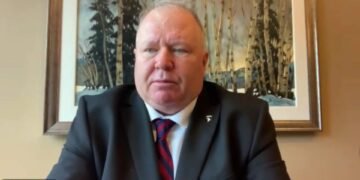
















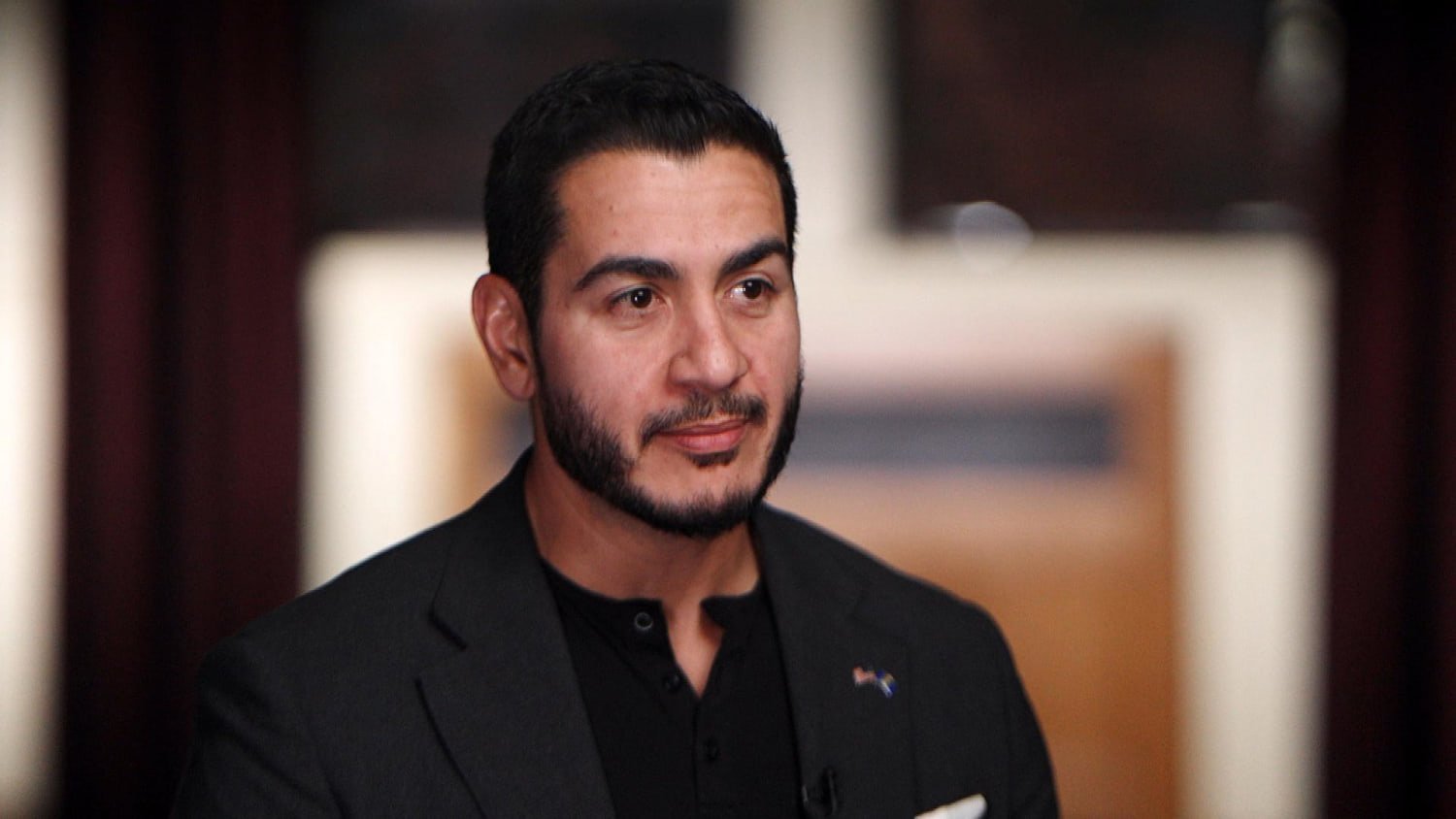
Michigan Democratic Senate candidate Abdul El-Sayed addressed his past criticism of former President Barack Obama in an exclusive interview with Meet the Press, acknowledging that his earlier remarks reflected a younger and more frustrated version of himself.
El-Sayed told the program that he stood by his growth since those comments. “I was younger,” he said, “and angry.” The candidate did not shy away from the subject, instead choosing to confront it directly during the wide-ranging interview, which aired on October 11, 2026.
Stay connected to every major update — subscribe and follow us on the PhoenixQ website and across our social media platforms.
Obama Campaigns Alongside El-Sayed
Despite the past criticism, Obama has chosen to campaign on El-Sayed’s behalf ahead of the midterm elections. The former president’s decision to support El-Sayed signals a degree of reconciliation between the two figures. It also underscores the Democratic Party’s focus on winning competitive Senate seats in states like Michigan.
El-Sayed’s campaign has attracted significant attention, both for his progressive platform and for the personal history he carries into the race. However, the candidate appears determined to move forward. His willingness to acknowledge past mistakes publicly may help him appeal to a broader base of Democratic voters.
El-Sayed on the Campaign Trail
During the Meet the Press interview, El-Sayed also discussed the challenges he faces on the campaign trail. He outlined his top priorities should he win a Senate seat, though the interview placed particular focus on the political hurdles ahead.
El-Sayed argued that Democrats must win the midterms by what he called “massive numbers.” He framed the stakes as unusually high, suggesting that strong voter turnout would be essential for his party to make meaningful gains.
Broader Midterm Context
The Michigan Senate race sits within a wider national picture. Democrats have expressed cautious optimism after reports emerged of Republicans spending heavily to defend seats in traditionally safe states. Meanwhile, economic concerns continue to dominate voter priorities heading into the election cycle.
El-Sayed’s interview reflects the balancing act many Democratic candidates face. They must energize progressive supporters while also reassuring moderate voters. His decision to address the Obama criticism head-on, rather than avoid it, suggests a campaign strategy built on transparency and directness.