English



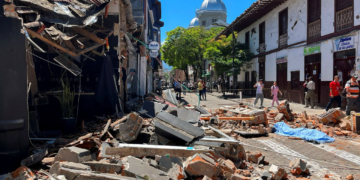














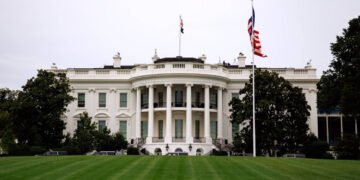

























Israeli military strikes Beirut targets this Sunday, further complicating ongoing diplomatic efforts to end the conflict between Washington and Tehran. Despite international mediation, Israeli forces bombed infrastructure in the southern suburbs of the Lebanese capital in response to recent projectile fire. These actions threaten the delicate progress made by negotiators who seek a ceasefire deal to halt the war. Regional officials expressed cautious optimism that a framework agreement could reach finalization soon. However, recent violence on the ground jeopardizes the stability needed to sign such a historic memorandum.
Negotiations face critical delays
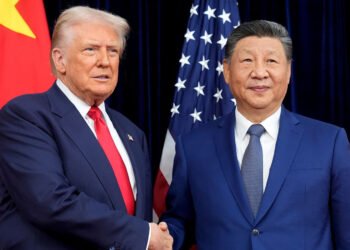
Mediation efforts led by Pakistan and Qatar aimed to secure a deal by this weekend. President Donald Trump and Pakistani Prime Minister Shehbaz Sharif previously expressed confidence regarding a Sunday signing. Nevertheless, Iranian officials remain hesitant, casting doubt on the immediate timeline for a final agreement. The proposed deal includes technical frameworks for addressing nuclear limitations and reopening the vital Strait of Hormuz. Despite these goals, critics within the Republican Party argue that the current terms offer few improvements over previous policies.
“Stay connected to every major update — subscribe and follow us on the PhoenixQ website and across our social media platforms.”
Geopolitical tensions impact regional stability
The Israeli military strikes Beirut as part of a broader struggle to contain regional proxies. Hezbollah’s involvement in the conflict continues to drive escalation along the northern border. Meanwhile, the G7 summit starting Monday in France provides a platform for world leaders to address these crises. The Strait of Hormuz remains a central point of concern, as global markets rely heavily on its openness for energy supplies. President Trump plans to discuss demining operations during the summit to restore economic security.
Uncertain path to peace
The path toward peace remains fraught with significant challenges. While negotiators push for a resolution, the lack of consensus on key issues like nuclear assets and sanctions waivers persists. Iran maintains that its nuclear program serves peaceful purposes, yet international oversight bodies report significant enrichment levels. As leaders gather for the G7, the international community watches whether they can bridge these deep-seated divides. Success depends on the political will of all parties to prioritize stability over continued military confrontation.