English



































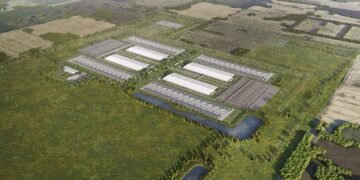






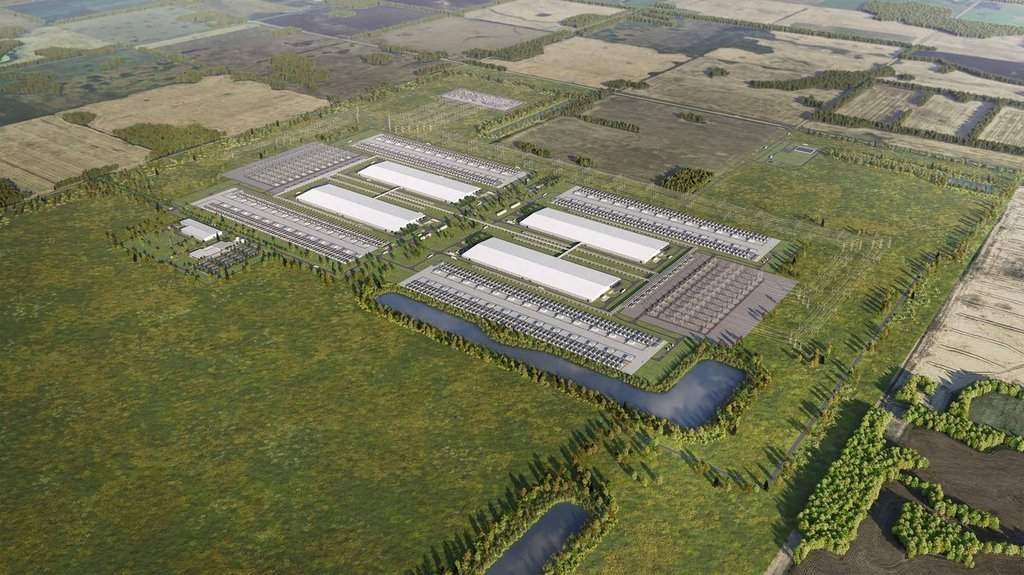
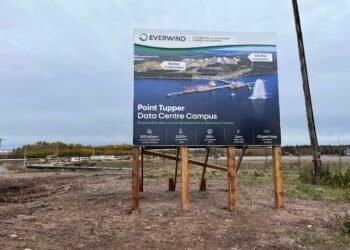
Alberta has introduced new legislation that would establish buffer zones around large data centres, restricting how close they can be built to homes, farms and irrigated land. The move comes as the province weighs 70 active data centre proposals and works to attract responsible tech investment.
What the Legislation Proposes
Bill 42, the Energy, Environment and Utilities Statutes Amendment Act, was tabled Wednesday in the Alberta legislature. Under the bill, data centres of 10 megawatts or larger would require a 600-metre setback from residential areas, irrigated land and high-quality agricultural zones.
Stay connected to every major update — subscribe and follow us on the PhoenixQ website and across our social media platforms.
Technology Minister Nate Glubish said the 600-metre distance reflects a careful balance. “We were essentially trying to find a balance between what responsible development looks like and how we protect communities and homeowners,” he said. Municipalities would also have the authority to set larger setbacks if they choose.
In addition, the bill would allow the province to set water use standards for data centres. However, those standards would not apply to gas-fired power plants used to operate the facilities. The legislation also recognizes designated industrial zones, brownfield sites and existing power generation sites as preferred locations for future development.
The Alberta Utilities Commission would serve as the primary regulator for reviewing and approving data centres of 10 megawatts and larger. Glubish noted that not every proposal needs to proceed. “We don’t need every data centre to get built in Alberta — we need the right ones,” he said.
Critics Say Setbacks Fall Short
Some opponents argue the 600-metre buffer is not nearly enough. Bek MacIntosh, founder of the non-profit Little Town Big Data, wants to see a residential setback of at least two to five kilometres. She created the organization to educate and support communities facing large data centre developments nearby.
MacIntosh also raised concerns about agricultural land beyond prime farmland. “These developments have a shorter lifespan, and the reclamation of them would mean a permanent destruction of soil,” she said. She wants stronger protections for a broader range of rural land.
The new rules would not apply to projects that have already secured development permits and are well underway. That includes tech giant Meta’s planned $13-billion artificial intelligence data centre campus near Edmonton.
Background and Public Reaction
Earlier this summer, Glubish faced significant public backlash at a series of town halls across Alberta. Hundreds of residents expressed anger over concerns that data centres could strain local water, land and electricity resources. Some attendees said they had lost trust in the provincial government on the issue.
In August, a proposed site near Olds, north of Calgary, was rejected after officials determined a natural gas plant intended to power the facility sat too close to the town. Glubish said the new legislation prevents similar situations from arising again. “Don’t waste your time and don’t waste Albertans’ time on areas that don’t make sense,” he said.
A Leger poll from July found that 44 percent of Canadians would support AI data centre development in their province, while 42 percent would oppose it. Meanwhile, Calgary city council voted the day before Alberta’s announcement to begin developing its own regulations for large-scale data centres within the city.