English







































Most Canadians want Alberta to stay in a united Canada, and support for separation has fallen sharply since 2019, according to a new Ipsos poll conducted exclusively for Global News. The findings suggest that, despite ongoing separatist debates in both Alberta and Quebec, national unity is stronger than many observers expected.
Strong National Support for a United Canada
Among respondents outside Alberta, 81 per cent said they want Alberta to remain part of Canada. Only nine per cent said they want the province to leave. Even in Quebec — where independence has long been a live political debate — 69 per cent of respondents still wanted Alberta to reject separation.
Stay connected to every major update — subscribe and follow us on the PhoenixQ website and across our social media platforms.
Gregory Jack, a senior vice president with Ipsos Global Affairs, said the data points to a country that is more unified than it may appear. “The country’s more united right now, especially around the trade war with the United States and dealing with Donald Trump and other issues, than they were in 2019,” he said. “Despite the fact that it feels like the country is really divided with a potential referendum in Quebec and a referendum here in Alberta.”
Nationally, just 16 per cent of Canadians outside Alberta felt their province would be better off separated from Canada. Among Albertans, that figure stood at 22 per cent. Both numbers have dropped since 2019, when 33 per cent of Albertans said they believed separation would leave them better off.
Alberta’s Grievances Persist, but Separation Support Softens
However, Albertans still feel they receive an unfair share of benefits from Confederation. Nearly half of Alberta respondents — 48 per cent — told Ipsos their province does not get a fair deal from Ottawa. That compares to just 26 per cent of Canadians elsewhere who felt the same about their own province.
Even so, that Alberta figure has declined. It stood at 51 per cent in January 2026 and as high as 65 per cent in 2019. Ipsos noted that while Albertans remain more likely than other Canadians to feel shortchanged by Confederation, that frustration does not automatically translate into a desire to leave. “The data suggest Albertans, while feeling closer to the national average on many measures, still want a discussion on benefits from Confederation, but that it doesn’t necessarily translate to desire to separate,” the polling firm said.
Meanwhile, only 28 per cent of Albertans said they feel less committed to Canada than they did a few years ago. That figure is also down sharply compared to 2019.
Alberta Referendum Set for October 19
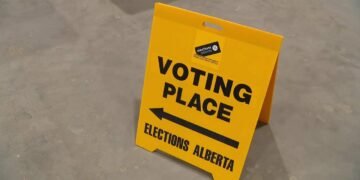
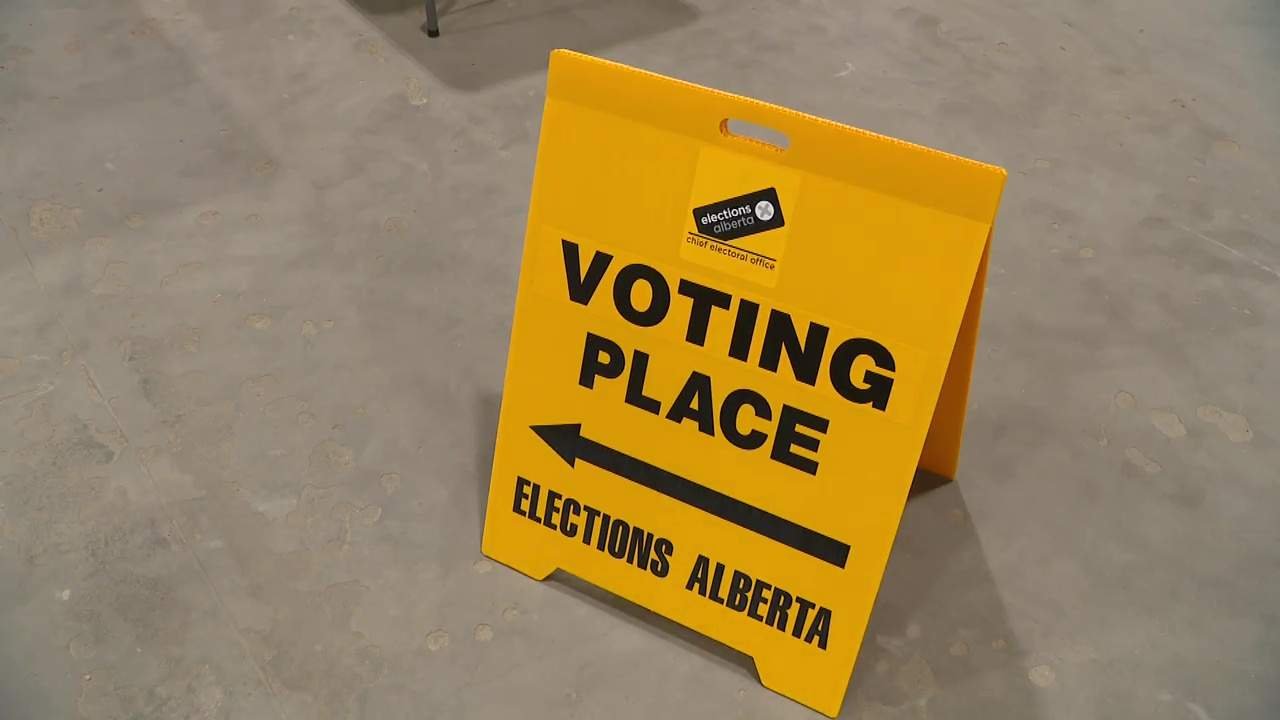
Albertans will vote in a referendum on October 19. The vote asks, among other questions, whether the province should begin the legally required process toward a formal separation vote. A win for separatists would launch active campaigning on both sides of the debate.
Ipsos found that 70 per cent of Albertans currently want to remain part of Canada, while 20 per cent support holding a referendum on separation. Furthermore, the poll suggests separatist support may be softer than previously assumed. If a binding referendum on separation actually took place, 84 per cent of Alberta respondents said they would vote to stay in Canada. Only 16 per cent said they would vote to leave.
Jack noted clear demographic patterns within Alberta. “Rural Albertans, older Albertans and male Albertans are more likely to say that they want to go,” he said. “Younger Albertans and more urban Albertans here in Calgary or Edmonton are more likely to say they’re going to want to stay.”
He added that while some movement in opinion is possible as the vote approaches, many Albertans have already made up their minds. “A lot of people have a position on this. I think they took it earlier in the campaign and they haven’t really changed their position whether they’re on the yes side or the no side,” Jack said.
Carney More Popular Than Poilievre in Alberta
Both Prime Minister Mark Carney’s Liberals and Pierre Poilievre’s Conservative Party have committed to campaigning for Alberta to remain in Canada. However, the poll produced a surprising result about which leader carries more weight with Albertans.
Just over half of Alberta respondents — 51 per cent — said they view Carney favourably. Only 35 per cent viewed him unfavourably. In contrast, Poilievre’s numbers were more divided. Among Albertans, 44 per cent viewed him favourably, while 40 per cent viewed him unfavourably. Alberta has traditionally been the Conservative Party’s strongest base, and Poilievre currently represents an Alberta riding in the House of Commons.
“That’s something we don’t often see in Alberta,” Jack noted. He added that Carney has not yet played a major role in the referendum campaign, but said the numbers suggest he could become a more significant voice. “Obviously these numbers suggest that he could in the future,” Jack said.
Ipsos conducted the poll between September 18 and 22, surveying 1,500 voting-age Canadians. The sample included 600 respondents in Alberta and 900 in the rest of Canada. A poll of that size carries a margin of error of 3.1 percentage points. Regional and demographic breakdowns carry a wider margin of error than the overall figures.