English



















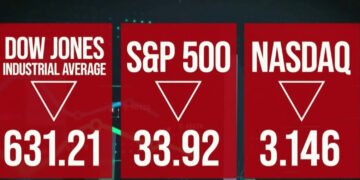






















The Federal Reserve raised its benchmark interest rate on Wednesday for the first time since 2023, responding to a renewed rise in inflation that accelerated last month. The quarter-point increase brings the central bank’s key rate to a target range of 3.75% to 4.00%. Fed policymakers voted unanimously in favor of the move and signaled that at least one additional hike could follow before the end of the year.
Unanimous Decision and Economic Projections
The Federal Open Market Committee released updated economic projections alongside its rate decision. All but two committee members forecast another rate increase later this year. The Fed’s official statement noted that “uncertainty remains elevated owing, in part, to geopolitical developments.” It also stated that the policy action would “support a timelier return to the Committee’s 2 percent goal.”
Stay connected to every major update — subscribe and follow us on the PhoenixQ website and across our social media platforms.
Historically, a single rate hike often signals the beginning of a broader tightening cycle. Central banks have typically followed an initial increase with multiple additional ones. Analysts are now watching closely to see whether Wednesday’s move marks the start of a similar pattern.
War with Iran Reshapes the Economic Landscape
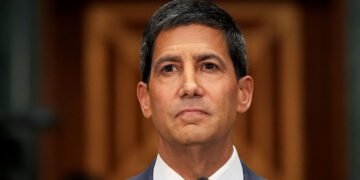
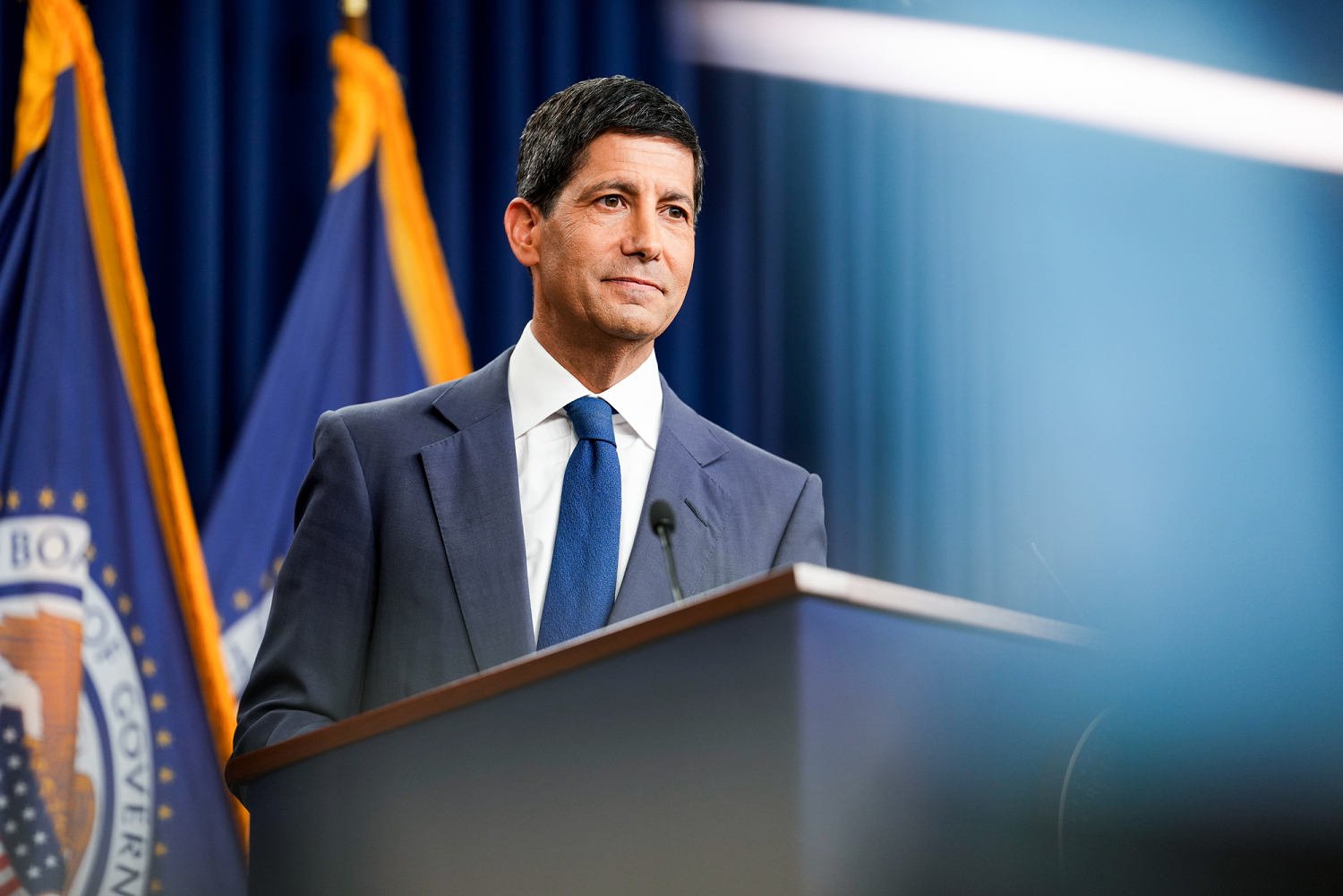
The rate hike comes against a complicated political backdrop. President Donald Trump had long pushed for lower interest rates. In early February, Trump told NBC News that Fed Chair Kevin Warsh would not have received the nomination unless he supported rate cuts. However, the U.S. and Israel launched military operations against Iran on February 28, dramatically shifting the economic environment.
Less than four months into his tenure, Warsh now leads a central bank moving in the opposite direction from what Trump had envisioned. The conflict with Iran triggered a sharp rise in global oil prices. Oil has surged more than 75% this year. As a result, gasoline prices have climbed more than 45% since the war began in late February.
Inflation Climbs Above Wage Growth
The energy price shock has pushed broader inflation higher. As of August, the U.S. inflation rate stood at 3.4%. That figure exceeds average American wage growth, which sits at 3.1%. The gap means many workers are effectively losing purchasing power despite nominal pay increases.
The Fed’s decision to raise rates reflects its effort to bring inflation back under control. Further rate increases remain possible if price pressures continue to build. For now, the central bank has made clear that fighting inflation takes priority, even as geopolitical uncertainty continues to cloud the economic outlook.