English















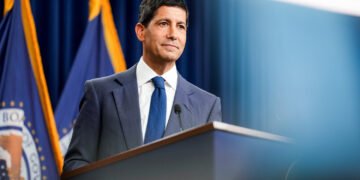
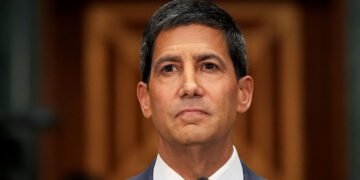


















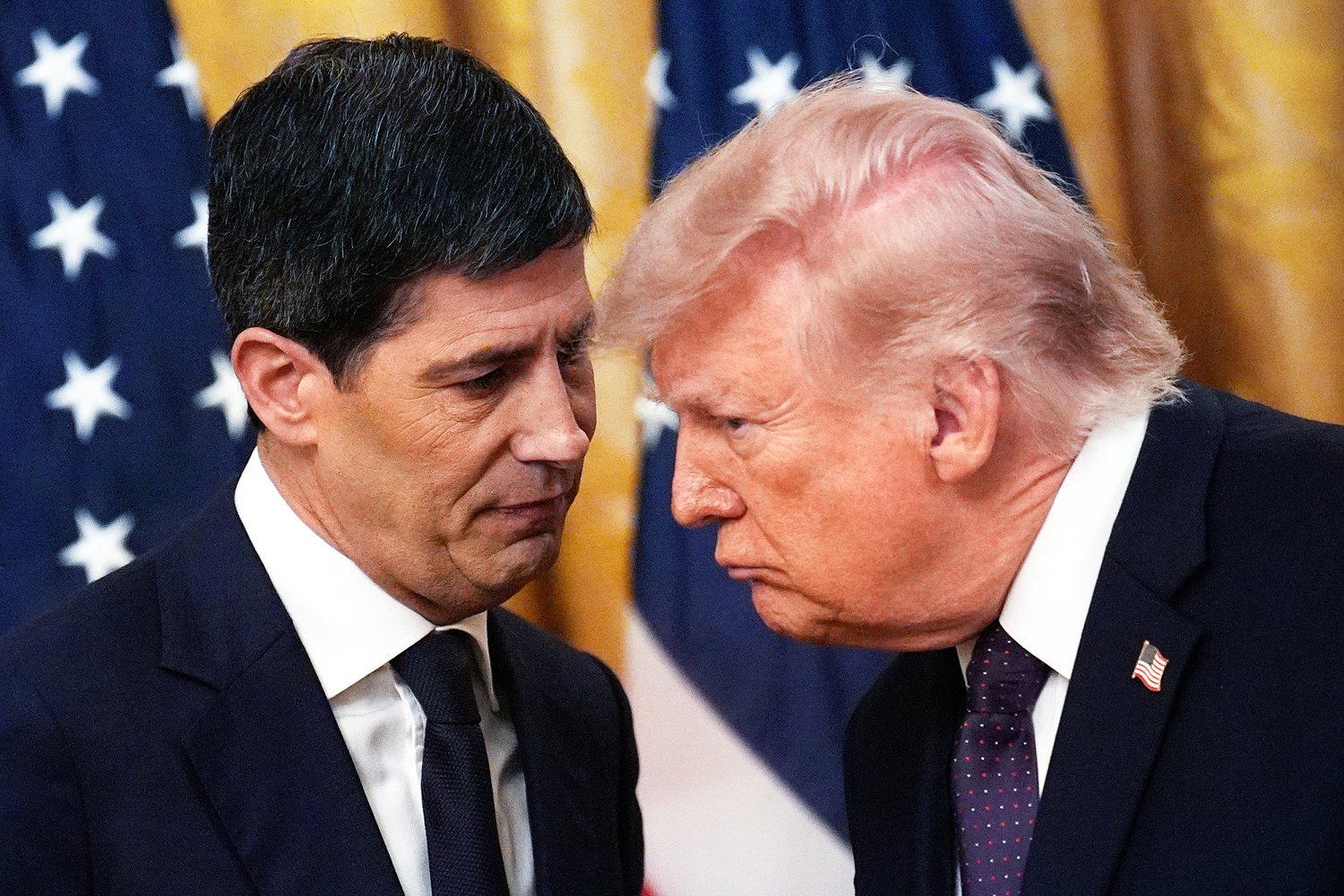
Federal Reserve policymakers face a high-stakes decision on Wednesday, with markets overwhelmingly expecting an interest rate increase even as President Donald Trump intensifies pressure on the central bank to cut rates instead. The decision marks an early test for Fed Chair Kevin Warsh, who took office in May and now confronts a politically charged economic environment less than four months into his tenure.
Market odds for a rate hike stood above 90% on Tuesday, following August inflation data that showed prices rising at a 3.4% annual rate. The Fed’s target remains 2%. The last time the central bank raised rates was in 2023, during the Biden administration, when the economy was battling sharply elevated inflation.
Stay connected to every major update — subscribe and follow us on the PhoenixQ website and across our social media platforms.
Trump Turns Up the Pressure
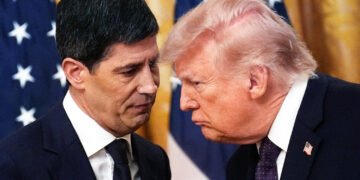
Trump initially gave Warsh room to operate. When Warsh took office, Trump told him to simply focus on the job. “Don’t look at me, don’t look at anybody, just do your own thing and do a great job,” Trump said at the time. However, that hands-off approach has not lasted.
In recent weeks, Trump has grown increasingly vocal about his desire for lower rates. At a White House event on July 29, he said, “I’d love to see lower interest rates.” He described Warsh as “fantastic” but claimed the Fed’s board was “political” and was deliberately keeping rates high.
Trump escalated further in September. After the consumer price index report showed inflation was not slowing, he said on September 4: “We should be paying the lowest interest rate in the world.” He argued that higher rates raise the country’s borrowing costs on its national debt. “We should be at 1% or a half a percent,” he said. “We shouldn’t be at 4%.” He later posted on social media: “A STRONG COUNTRY MEANS A LOWER INTEREST RATE,” adding that high rates put the United States at “a very unfair disadvantage.”
Trump adviser Kevin Hassett, chair of the National Economic Council, signaled the president would respond if the Fed makes a significant move. “The president will have an opinion about it,” Hassett told CNBC on Friday. “I’m sure he believes that there’s plenty of room for interest rates to go down, and he voices that opinion while respecting the independence of the Fed.” Hassett himself had been a candidate for the Fed chair position before Trump selected Warsh.
Economists at UBS described the situation as a “time to choose” for Warsh. The Fed must decide whether to hold rates steady despite rising inflation or raise them to fight persistent price pressures — and risk a confrontation with the White House.
Multiple Forces Are Driving Inflation Higher
Several economic forces are pushing inflation upward at once. Deutsche Bank analysts noted that “forward-looking elements of the inflation picture” have deteriorated. They pointed to three factors the Federal Open Market Committee has been monitoring closely: energy prices, tariffs and supply chain disruptions, and the artificial intelligence buildout. At least two of those three, they wrote, point to greater inflation pressure than the Fed faced at its July meeting.
Energy costs have surged sharply. On Tuesday, U.S. crude oil touched $106 per barrel, while international Brent crude traded around $109 per barrel. Gasoline prices remain 45% higher than in February, when conflict with Iran began. Diesel prices have reached record highs, squeezing farmers and truckers who depend on the fuel. “The cost of diesel gets into just about everything,” KPMG chief economist Diane Swonk told NBC News.
Meanwhile, the Trump administration has entered a potentially prolonged trade dispute with Canada, which was America’s second-largest source of imports last year. That conflict adds further uncertainty to already strained supply chains.
The rapid expansion of AI infrastructure is also contributing to price pressures. Friday’s inflation data showed the price of computer software, accessories and related items rising 25.4% over the past year — the largest annual increase ever recorded for that category. Consumer technology companies including Apple, Xbox and Amazon have raised some prices as a result.
Rate Hike Carries Its Own Economic Risks
Not all economists support raising rates. Moody’s chief economist Mark Zandi argues that the current inflation drivers — tariffs and energy shocks from the conflicts in Iran and Ukraine — should ease on their own over time. Therefore, a rate hike may do more harm than good.
If the Fed raises rates now, Zandi wrote on LinkedIn, “it must push growth below potential, and that is hard to do without layoffs, rising unemployment, and igniting a self-reinforcing negative cycle.” The labor market remains relatively stable. The unemployment rate stood at 4.1% in August, according to the latest jobs data.
The broader economic picture is also uneven. Tech companies are spending hundreds of billions of dollars on AI infrastructure, data centers and developer hiring, while many corporations report strong profits. However, the average American worker has seen wage growth slow to a 3.1% annual rate — below the current pace of inflation. “The challenge is even more complicated because AI-related investment appears to be powering the economy, while the non-AI economy is already struggling,” Zandi said.
Wednesday’s Fed decision will test both Warsh’s economic judgment and his ability to navigate an increasingly assertive White House. Whatever the outcome, the central bank’s independence is likely to face renewed scrutiny in the days that follow.