English












































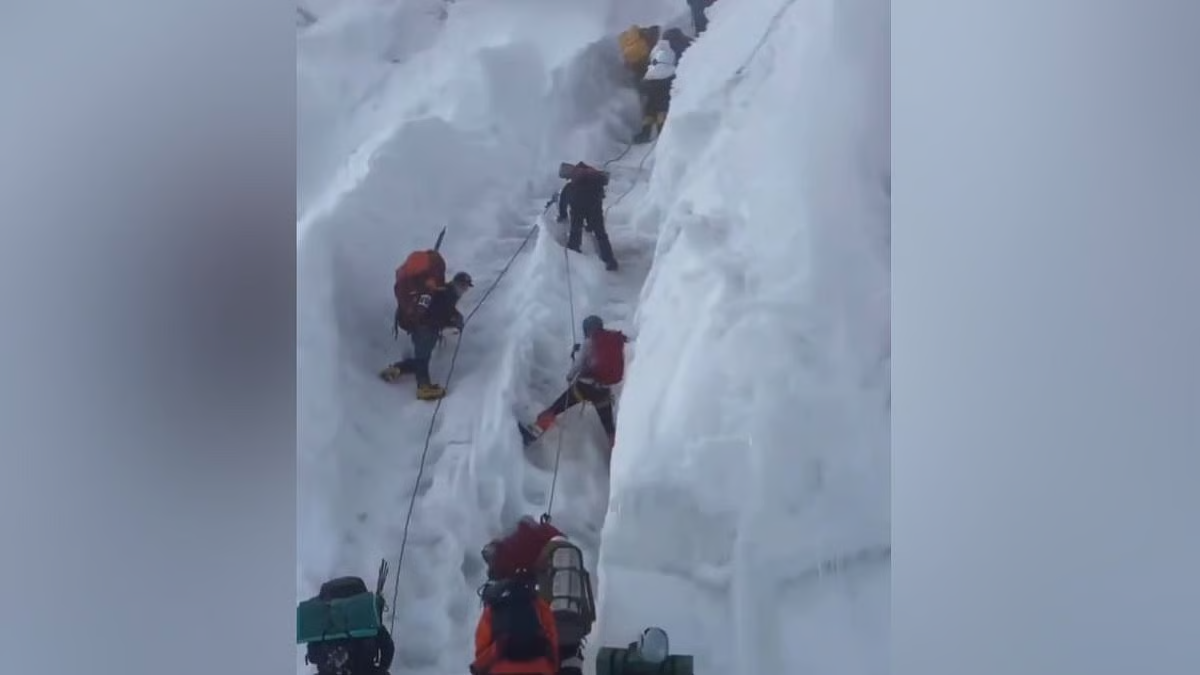
“compiled: Elmili TK”
Broad Peak Avalanche Recovery reached a significant milestone on Wednesday. Search teams recovered the bodies of four missing climbers, including renowned British-Nepali mountaineer Nirmal Purja. The operation concluded nearly a week after a devastating avalanche struck a 10-member international expedition in northern Pakistan.
The latest recovery brought the total number of bodies retrieved from Broad Peak to seven. Rescue officials described the mission as one of the most difficult mountain recovery operations ever attempted in the region.
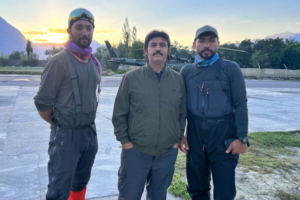
Military Teams Complete Complex Recovery Mission
The Alpine Club of Pakistan confirmed that rescue teams, supported by military helicopters, recovered the bodies of Nirmal Purja, Chinese climber Zhong Wang, and Nepali climbers Nima Sherpa and Kilu Sherpa.
Earlier, recovery crews brought down three other bodies on Aug. 1. Together, these efforts marked the largest phase of the rescue operation.
Officials transported the recovered bodies to Broad Peak Base Camp. They plan to move them to a military hospital in Skardu as soon as weather conditions improve.
“Stay connected to every major update — subscribe and follow us on the PhoenixQ website and across our social media platforms.”
Families Honor Victims Across Borders
Meanwhile, grief spread beyond Pakistan’s mountains. In Kathmandu, Nepal, relatives, friends, and supporters gathered for a candlelight vigil.
Buddhist monks led prayers during the ceremony. Participants observed a moment of silence before lighting candles to honor those who lost their lives.
The victims came from Nepal, Oman, Pakistan, China, Britain, and the United States. The international tragedy deeply affected mountaineering communities worldwide.
Avalanche Became One of Pakistan’s Deadliest
The avalanche struck last Thursday in Pakistan’s Gilgit-Baltistan region. According to the Alpine Club of Pakistan, it ranks among the country’s deadliest mountaineering disasters.
Pakistan’s Foreign Minister Ishaq Dar expressed condolences to the victims’ families. He also reaffirmed Pakistan’s commitment to coordinating recovery efforts with the embassies of Nepal, Oman, Britain, and the United States.
Furthermore, officials praised the cooperation between international rescue teams throughout the operation.
Harsh Mountains Continue to Challenge Climbers
Pakistan’s northern mountains remain among the world’s most dangerous climbing destinations. Avalanches, falling rocks, unstable ice, extreme altitude, and rapidly changing weather continue to threaten experienced mountaineers.
Last year, falling rocks killed a Chinese climber while descending K2, the world’s second-highest mountain.
Pakistan usually recovers foreign climbers only after receiving requests from families and their governments. Otherwise, authorities often leave the remains at the accident site because of the extreme risks involved.
The Alpine Club of Pakistan thanked both Pakistani and Nepali recovery teams. It recognized Pakistani climbers Sirbaz Khan, Abid Beg, and Sherzad, alongside Nepali rescuers Dipen Gurung and Pemba Chhewang Sherpa, for their dedication and professionalism during the demanding mission.