English




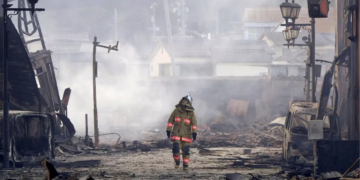











































The Europe Heat Wave Crisis intensified on Sunday as several countries activated emergency measures to confront dangerous temperatures. France, Spain, Italy, Germany, and Britain all issued severe heat warnings while authorities rushed to protect vulnerable populations. As the Europe Heat Wave Crisis expands, officials now fear rising deaths, infrastructure failures, and growing climate-related emergencies across the continent.
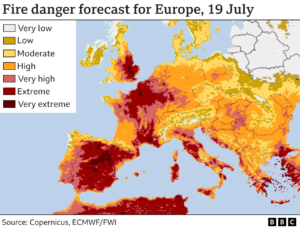
France Activates Nationwide Emergency Response
France entered one of its most severe summer alerts after officials placed nearly one-third of the country under red heat warnings. Temperatures reached 40°C on Sunday and forecasters expect even hotter conditions on Monday.
Authorities quickly deployed emergency teams across affected regions. Paris installed cooling mist stations near major landmarks, including the Eiffel Tower. Meanwhile, officials cancelled several train routes because extreme heat threatened rail infrastructure and electrical systems.
The French government also ordered 845 schools to close on Monday. At the same time, military units and fire services moved into high-alert mode because wildfire risks continue rising rapidly.

Public Safety Measures Expand Across France
French officials now worry most about elderly residents, homeless communities, and nursing home patients. Authorities remember the devastating 2003 heat wave, which killed nearly 15,000 elderly people across the country. In response, the government restricted public alcohol consumption in high-risk zones. Officials also introduced strict controls during France’s annual Music Day celebrations, which draw massive crowds nationwide.
Health agencies urged organizers to limit alcohol sales and reduce pressure on emergency responders. Additionally, officials tightened surveillance around nuclear reactor water supplies to prevent technical disruptions.
French media also reported the drowning deaths of four children on Saturday, raising fresh concerns about heat-related accidents.
“Stay connected to every major update — subscribe and follow us on the PhoenixQ website and across our social media platforms.”
Southern Europe Faces Extreme Conditions
Spain entered the summer season under widespread heat alerts. Large parts of the country now face temperatures near 40°C. In response, officials in the Basque Country cancelled outdoor sports and cultural activities.
Italy also expanded emergency warnings across eight major cities. Northern and central regions now experience temperatures approaching the upper 30s Celsius.
Farm owners near Milan installed industrial fans and sprinkler systems to protect livestock. Meanwhile, tourists in Rome searched for relief by cooling themselves in the city’s historic fountains.
Meteorologists also warned that thunderstorms could suddenly strike several Italian regions, adding further risks.
Germany and Britain Brace for Dangerous Temperatures
Germany now faces rapidly rising temperatures in the mid-30s Celsius range. Tragedy struck on Saturday when a 23-year-old man drowned near Rheinstetten in southwestern Germany. Authorities also continue searching for three missing swimmers in the Rhine River.
Britain issued an extreme heat warning for southern England and parts of Wales. Meteorologists expect temperatures above 35°C early this week.
The World Health Organization recently warned that more than 200,000 Europeans died from heat-related causes during the past four years. Experts stress that most of those deaths could have been prevented.
Scientists continue linking these extreme weather patterns to human-driven climate change. United Nations climate projections now suggest the next five years may break even more global heat records.
As governments race to adapt, the Europe Heat Wave Crisis highlights the growing urgency of climate preparedness across the continent.